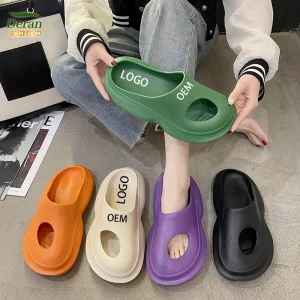
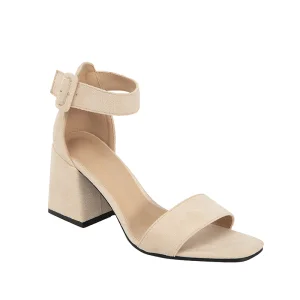
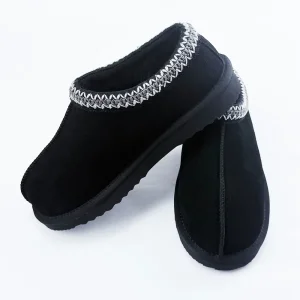
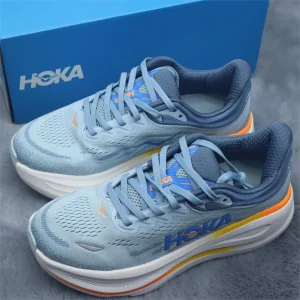
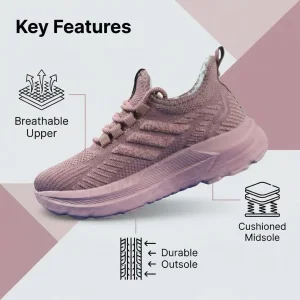
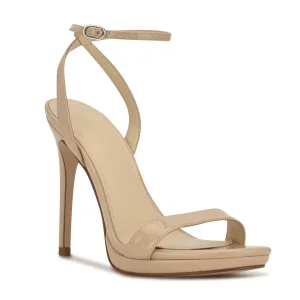
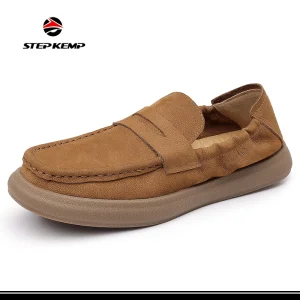
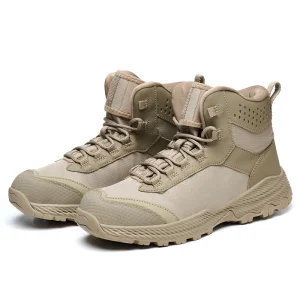
Direct-to-factory elite sourcing catalog featuring engineered light outsoles, ergonomic comfort components, and high-performance structures.
The convergence of functional biomechanics, smart production materials, and athleisure market demands.
The global footwear landscape is undergoing a paradigm shift, where lightweight sneaker technology represents the fastest-growing market segment. Valued at over USD 85 billion, the worldwide athletic and casual lightweight footwear sector is driven by dynamic consumer preferences prioritizing performance, ergonomics, and seamless transitions between professional and casual environments. The transition from heavy vulcanized outsoles to modern composite polymers has enabled international brands to deliver products that significantly reduce muscular fatigue and oxygen cost during locomotion.
China continues to serve as the structural backbone of this global revolution, holding over 60% of the manufacturing output for high-performance shoes. Specifically, the regional clusters in Guangdong (notably Dongguan) and Fujian have matured from simple assembly mills to high-technology hubs. These hubs incorporate robotic knitting, automated TPU hot-melting, and CAD-based pattern optimization. Today’s top factories do not merely manufacture shoes; they co-develop proprietary compounds such as supercritical nitrogen-foamed midsoles, which deliver an energy return profile exceeding 75% while keeping the absolute unit weight below 180 grams.
Utilizing supercritical fluid foaming (typically N2 or CO2) to create microcellular structures. This eliminates heavy chemical blowing agents, achieving 30-40% weight reductions compared to traditional compression EVA.
Integrating carbon fiber torsion plates and thermo-polyurethane elastomer bridges to translate downward vertical pressure into dynamic propulsion, enhancing athletic gait efficiency.
Utilizing single-yarn digital knitting algorithms to yield multi-density zones across the upper—maximizing durability at the high-friction toebox while maintaining hyper-breathability at the instep.
Empirical breakdown of weight-optimization mechanics, structural configurations, and eco-friendly polymer evolution.
To successfully market and deploy lightweight sneakers in the competitive global market, brands must balance structural longevity with minimal gram-weight profiles. The primary engineering metric for high-performance running shoes and walking shoes is the density-to-durometer ratio. Traditional EVA (Ethylene-Vinyl Acetate) midsoles typically present a density range of 0.15 to 0.20 g/cm³, whereas advanced Supercritical TPU (Thermoplastic Polyurethane) or PEBAX formulations can drop as low as 0.10 to 0.12 g/cm³ without suffering from premature compression set (progressive flattening).
Furthermore, structural optimization requires mapping zones of friction and impact. By applying computational biomechanics, modern factories map high-wear zones in the outsole to selectively apply ultra-thin carbon-rubber pods. This preserves traction while minimizing overall weight. The interior layout uses orthotic-grade open-cell polyurethane foam insoles. These structures facilitate passive heat and moisture dissipation, keeping foot temperatures low during continuous use.
| Material Class | Average Density (g/cm³) | Energy Return Rate (%) | Primary Industrial Application | Structural Lifespan |
|---|---|---|---|---|
| Standard Compression EVA | 0.18 - 0.25 | 45% - 50% | Entry-level lifestyle sneakers & sandals | ~300-400 km |
| Supercritical N2 Foamed EVA | 0.13 - 0.16 | 60% - 68% | Mid-to-high performance running models | ~500-600 km |
| Supercritical TPU (E-TPU) | 0.11 - 0.14 | 70% - 78% | Premium distance runners, orthotic footwear | ~800-1000 km |
| PEBA / Pebax Foam | 0.08 - 0.11 | 80% - 85% | Elite carbon-plated competition shoes | ~300-400 km |
Dongguan Realm Shoes Co., Ltd. was founded in 2015 and has been steadily growing and operating in Dongguan, China, for nearly a decade. We specialize in high-end leather shoes for both ladies and gentlemen, including stylish dress shoes, formal footwear, and premium casual designs.
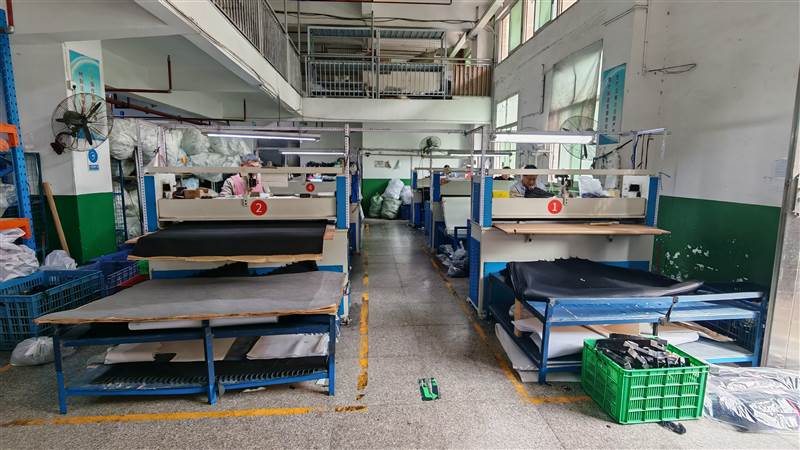
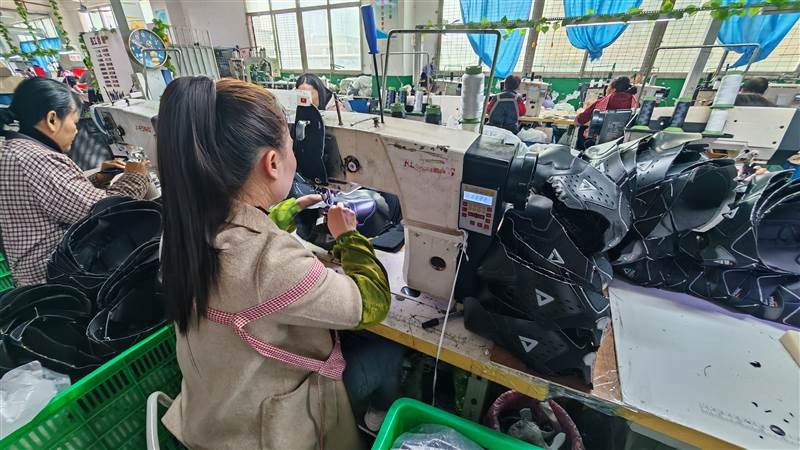
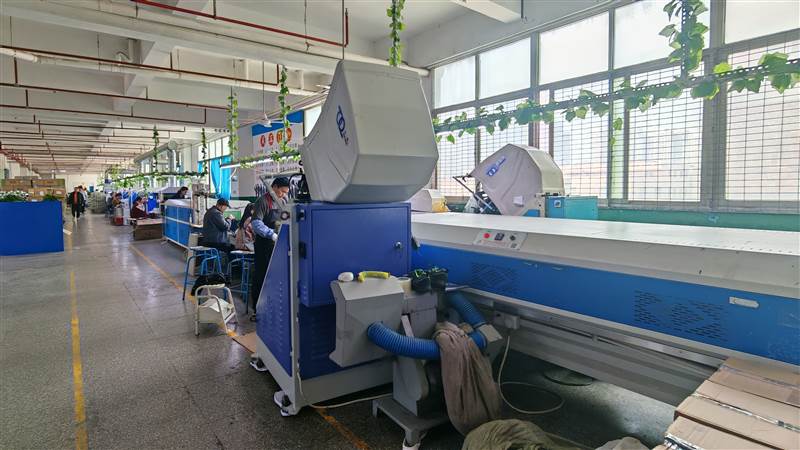
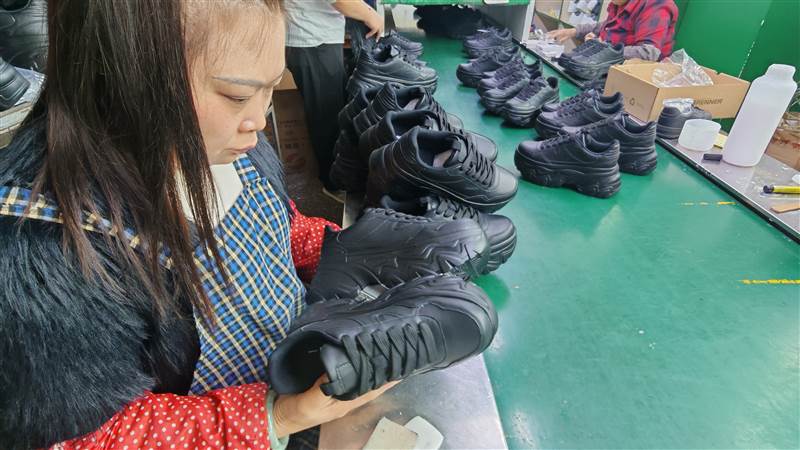
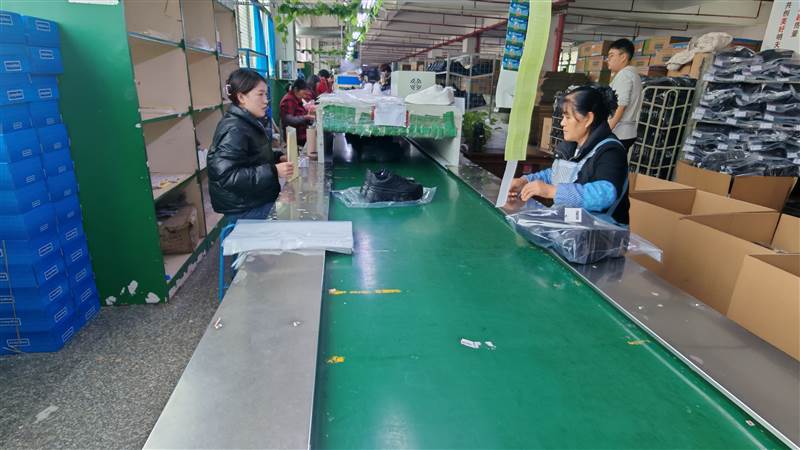
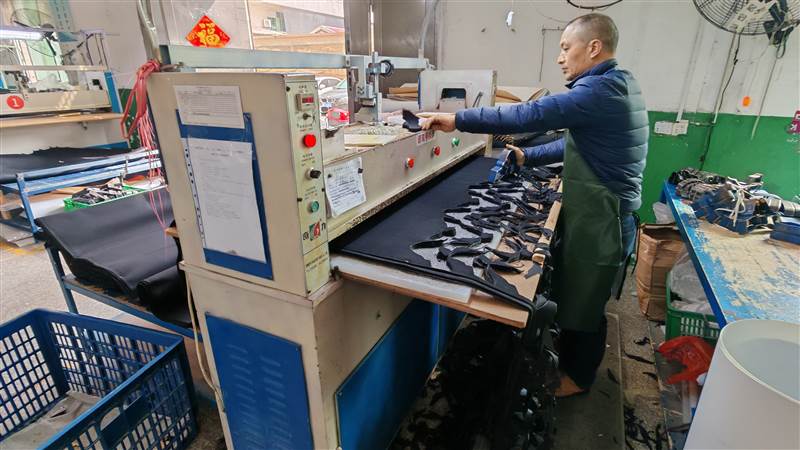
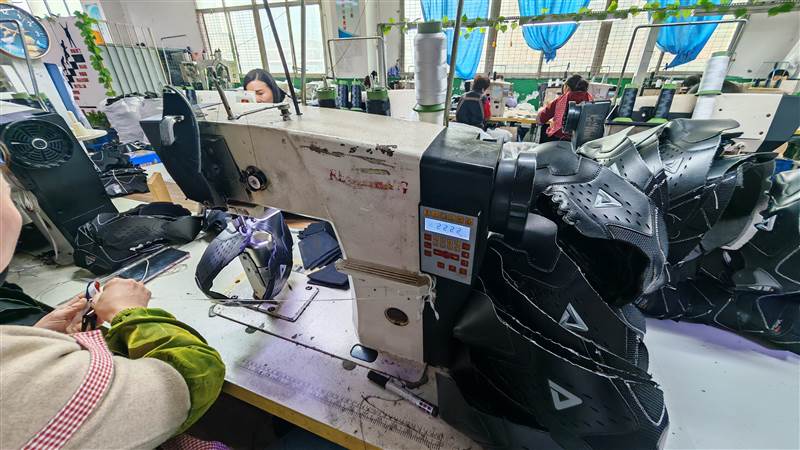
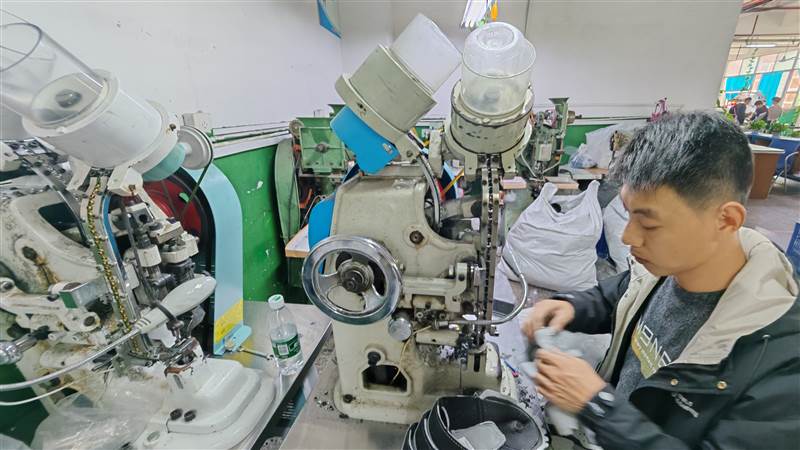
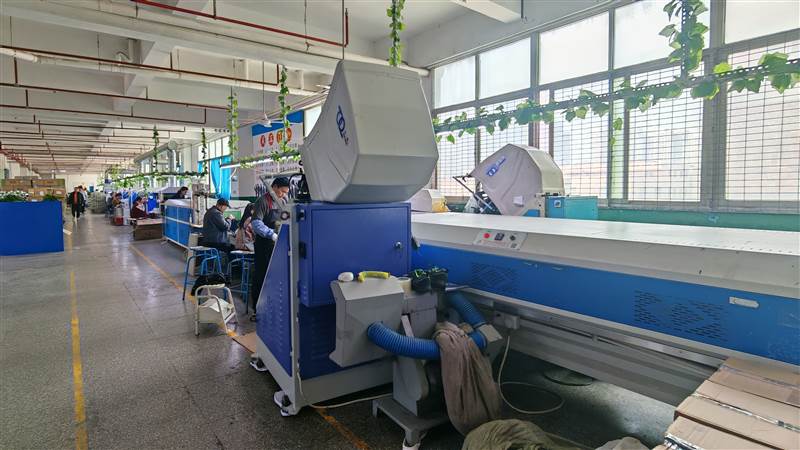
Our company owns a modern, well-equipped factory capable of handling fast production runs with small minimum order quantities of 100 to 1,000 units per style. For larger-scale production, we maintain strong partnerships with leading factories to support and scale your projects and brand efficiently.
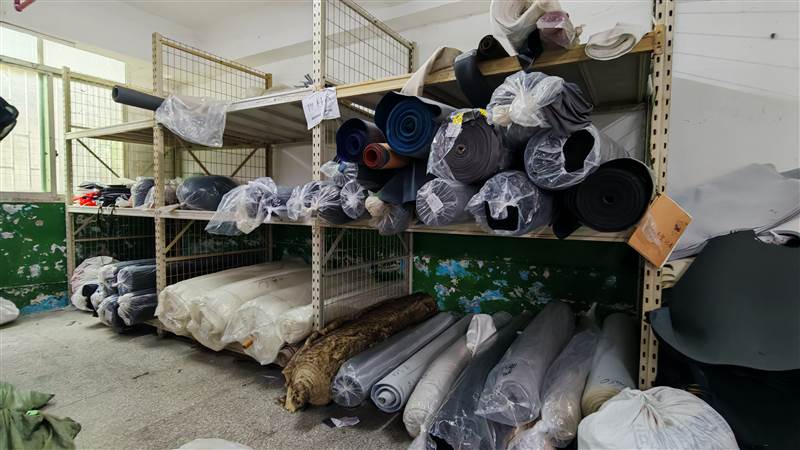
At Dongguan Realm Shoes, we work closely with our clients to meet every need, one shoe and one project at a time. Whether working with leather or synthetic materials, we can tailor our services to your exact specifications. We also have an in-house design team ready to assist with sketches, material sourcing, concept creation, and product development.
Our experienced QC team, with over ten years of industry expertise, works tirelessly to minimize production issues and ensure fast turnaround times—without compromising on quality. Welcome to Dongguan Realm Shoes – Where Quality Meets Craftsmanship.

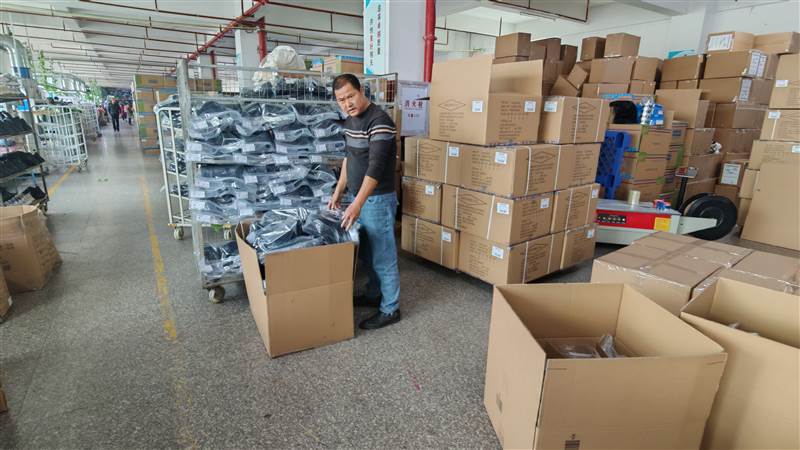
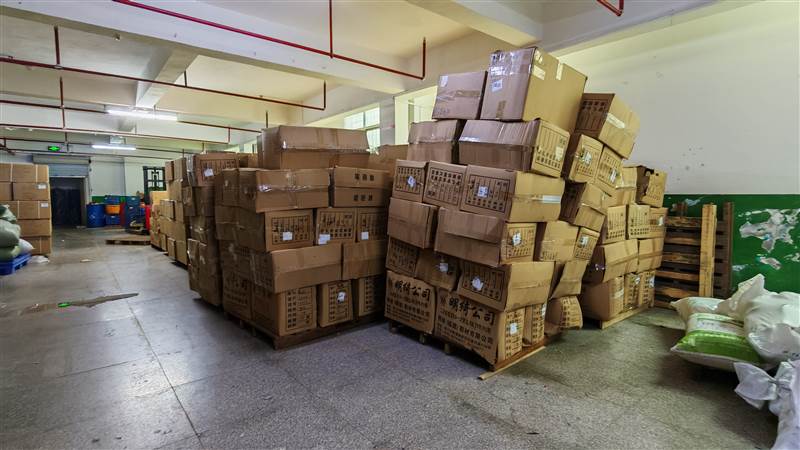
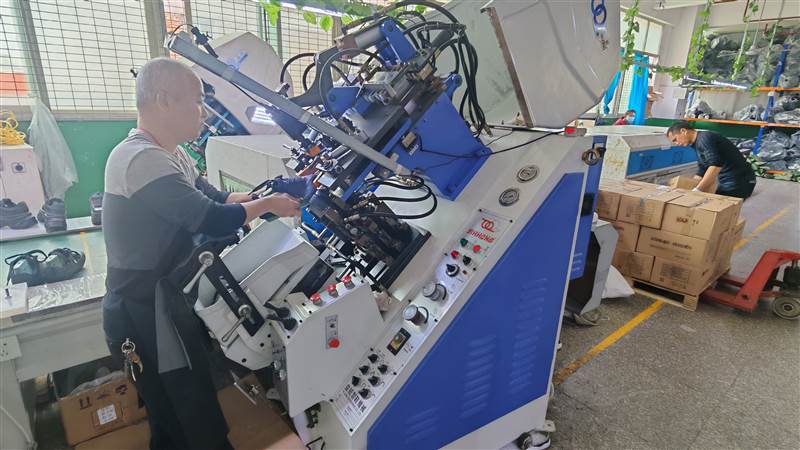
A transparent look inside our state-of-the-art facilities, engineering tooling, and production workflows in Dongguan.
Flexible MOQ Capacity
Years QC Team Experience
Active Material Sourcing
Visual Inspection Protocols
Addressing international brand pressure points through localized agility, lower MOQ thresholds, and risk-managed logistics.
Global retail networks struggle with inventory overhead. The traditional sourcing paradigm requires ordering 10,000 pairs of a single shoe design up to 9 months in advance. This setup makes brands vulnerable to shifts in fashion trends. Dongguan Realm Shoes addresses this vulnerability by implementing an agile supply chain model. We offer manufacturing capabilities from 100 to 1,000 units per style, allowing brands to test new designs in real market conditions before committing capital to scale up production.
Furthermore, our materials management system reduces sourcing time. By partnering with local suppliers of premium leathers, engineered mesh, and custom outsoles, we streamline the prototyping process. This allows our design team to translate digital files into wear-test samples in as little as 7 to 10 working days, helping brands keep pace with fast-moving retail cycles.
Matching performance features to regional consumer trends and environmental demands.
Modern consumers expect versatile footwear that adapts to different environments throughout the day. This has created distinct product categories, each requiring specific materials and construction methods:
Transparent technical answers addressing common manufacturing, logistics, and compliance inquiries.
We offer flexible production minimums. While large-scale factories require high minimum orders, we handle fast-turnaround runs with a MOQ of 100 to 1,000 units per style. This supports emerging premium brands and helps established labels run market-testing pilots.
We subject mid-sole polymers to mechanical fatigue tests, including pneumatic compression tests simulating 800,000 footstrikes. We also select high-grade TPU and PU formulations that resist compacting, ensuring long-term cushioning and shape retention.
Yes. Our in-house design and product development team helps turn initial sketches, reference samples, and concept files into 3D CAD files and physical prototypes, ensuring your designs transition smoothly into production.
We maintain an independent, on-site QC team with over a decade of footwear industry experience. We conduct multi-stage inspections, checking incoming raw materials, checking bonds during assembly, and performing final visual inspections before packing to prevent defects from reaching the field.
Prototyping and sample development typically take 7 to 14 days, depending on material availability. Bulk production ranges from 30 to 45 days after design finalization, depending on order size and scheduling. We work closely with clients to keep projects on track.
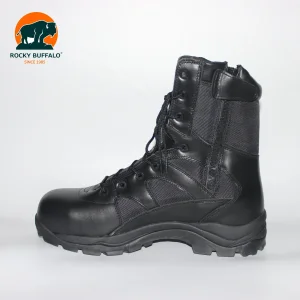
Explore our specialized range, including technical outdoor footwear, orthopedic insoles, lifestyle running sneakers, and tactical boots.