The global women's footwear sector is experiencing a monumental transformation. Sourcing managers and fashion enterprises are no longer making procurement decisions based solely on raw unit costs. In today's hyper-competitive fashion ecosystem, success requires a combination of supply chain responsiveness, ergonomic engineering, and environmental compliance.
Heeled booties occupy a unique product category that merges structural load-bearing design with fashion aesthetics. This means manufacturers must balance engineering stability (shank strength, heel pull forces, structural alignment) with high-end material styling. As high-volume fashion demand transitions toward high-flexibility, short-run cycles, selecting the right partner from the top tier of manufacturers becomes a critical strategic move for international retail brands.
The shift from massive minimum order quantities (MOQs) to agile, demand-driven productions ranging from 100 to 1,000 pairs allows brands to optimize inventory without overproducing.
Modern heeled booties rely on advanced shock-absorption systems and anatomically balanced lasts (shoe molds) to support long-wear schedules comfortably.
Sourcing now prioritizes clean leather tanneries (LWG certified), non-toxic adhesives, and recycled thermoplastic elastomers for heel constructions.
Dongguan Realm Shoes Co., Ltd. was founded in 2015 and has been steadily growing and operating in Dongguan, China, for nearly a decade. We specialize in high-end leather shoes for both ladies and gentlemen, including stylish dress shoes, formal footwear, and premium casual designs.
Our company owns a modern, well-equipped factory capable of handling fast production runs with small minimum order quantities of 100–1,000 units per style. For larger-scale production, we maintain strong partnerships with leading factories to support and scale your projects and brand efficiently.
At Dongguan Realm Shoes, we work closely with our clients to meet every need, one shoe and one project at a time. Whether working with leather or synthetic materials, we can tailor our services to your exact specifications.
We also have an in-house design team ready to assist with sketches, material sourcing, concept creation, and product development. From initial ideas to final production, our team ensures that your vision comes to life with creativity and professionalism.

Our company places strong emphasis on customer relations. We manage each project from start to finish, providing professional guidance and creative suggestions along the way. Many of our clients have maintained long-term partnerships with us, allowing us to grow together and adapt flexibly to changing needs.
Quality is at the heart of everything we do. Our experienced QC team, with over ten years of industry expertise, works tirelessly to minimize production issues and ensure fast turnaround times—without compromising on quality. At Dongguan Realm Shoes Co., Ltd., we are committed to delivering not just footwear, but a premium experience from design to delivery. We welcome you to collaborate with us and explore how we can bring your shoe concepts to life.
Welcome to Dongguan Realm Shoes – Where Quality Meets Craftsmanship.
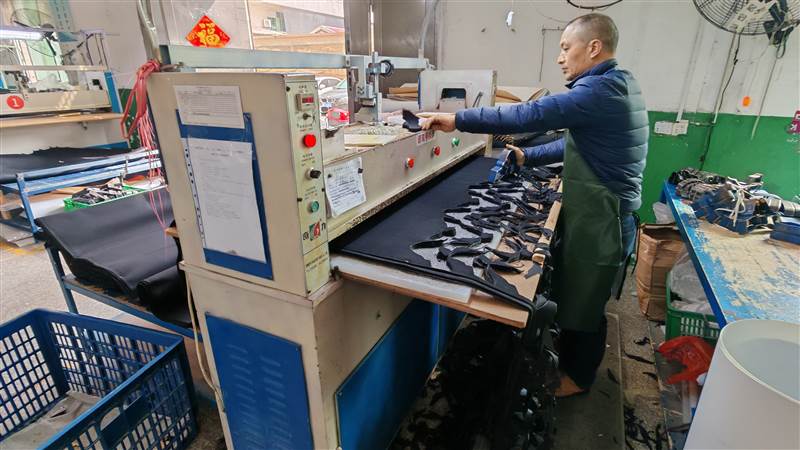
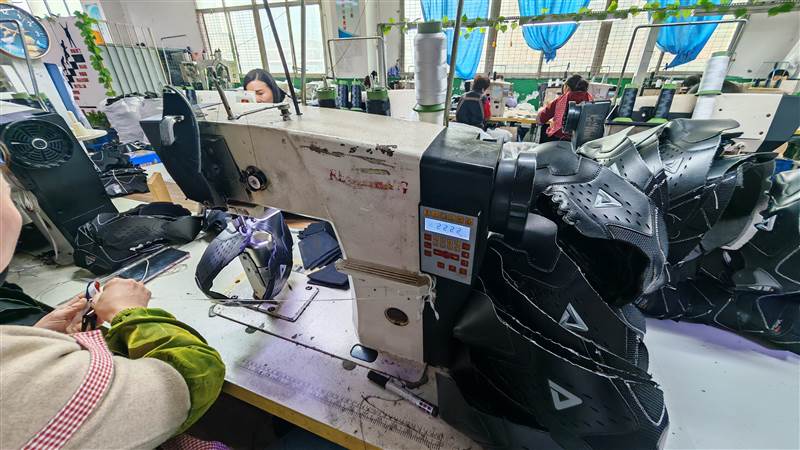
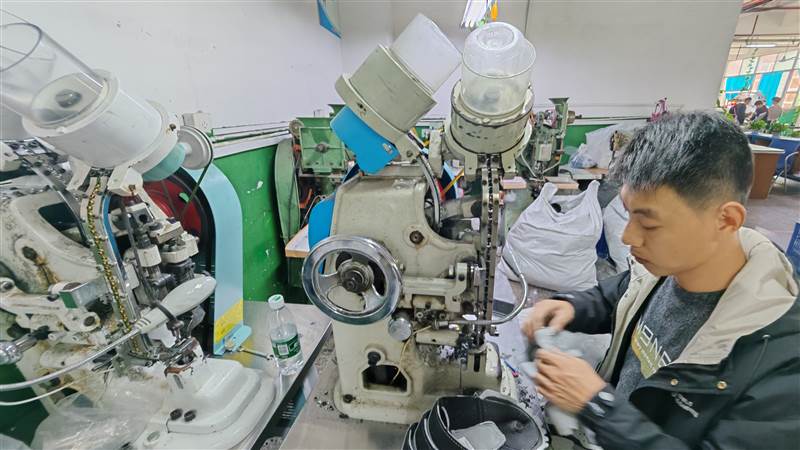
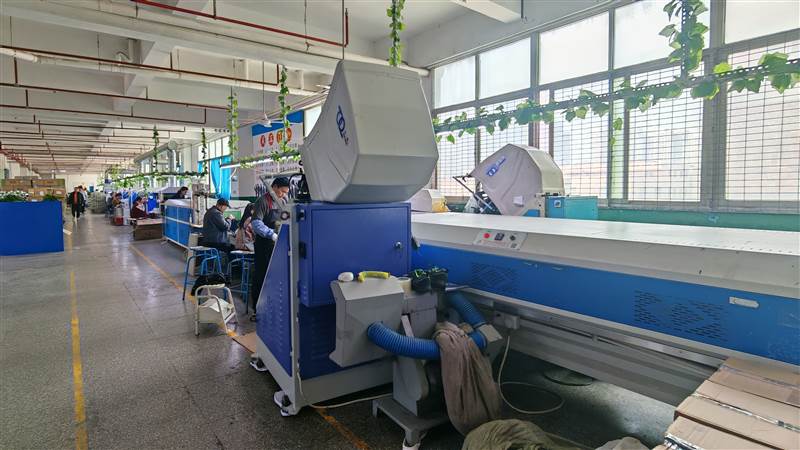
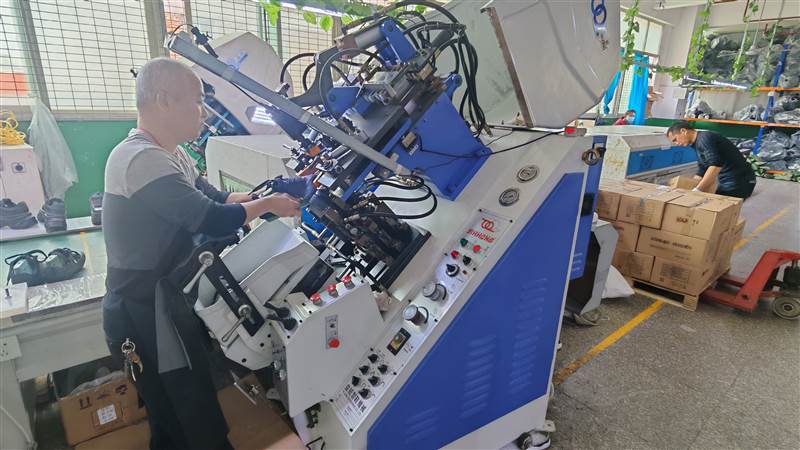
Producing durable heeled booties demands high operational accuracy. Below is a look at the workflow and equipment used by Dongguan Realm Shoes Co., Ltd. to turn raw materials into high-fashion footwear.
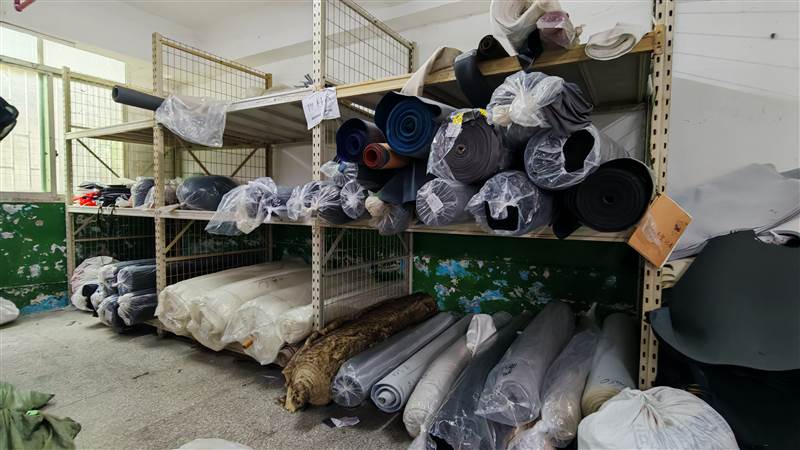
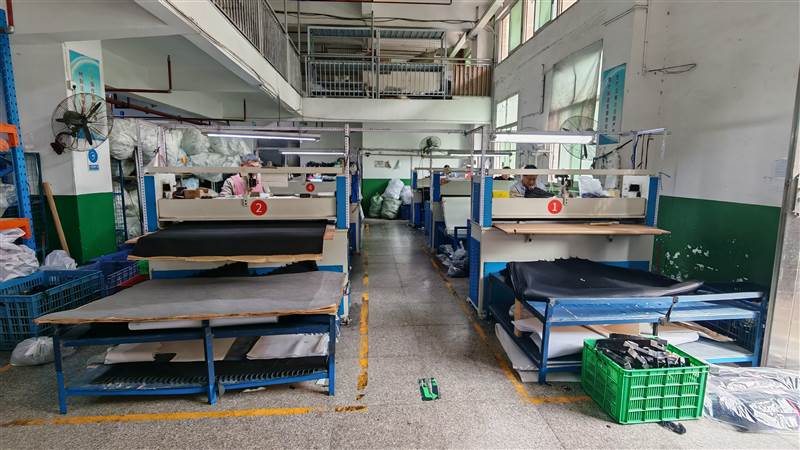
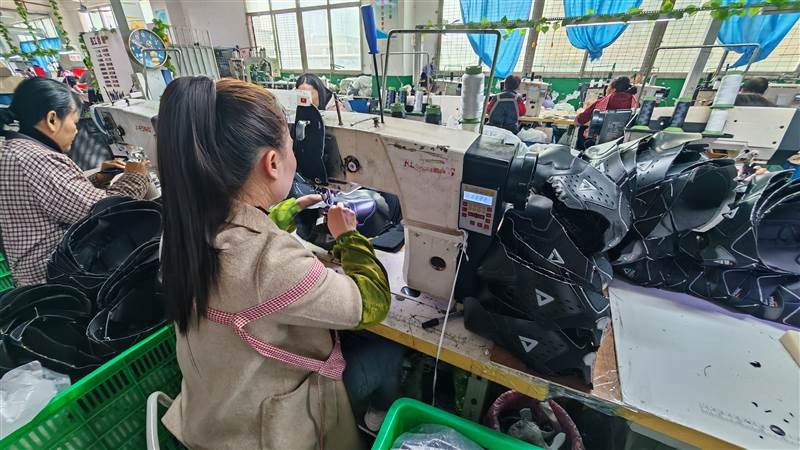
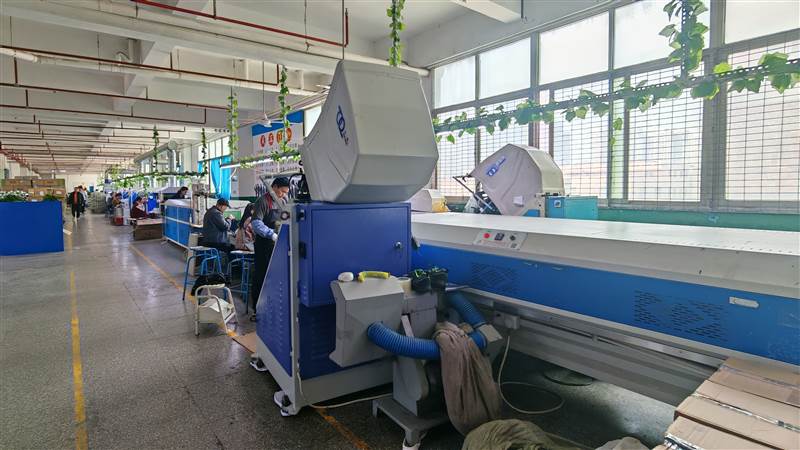
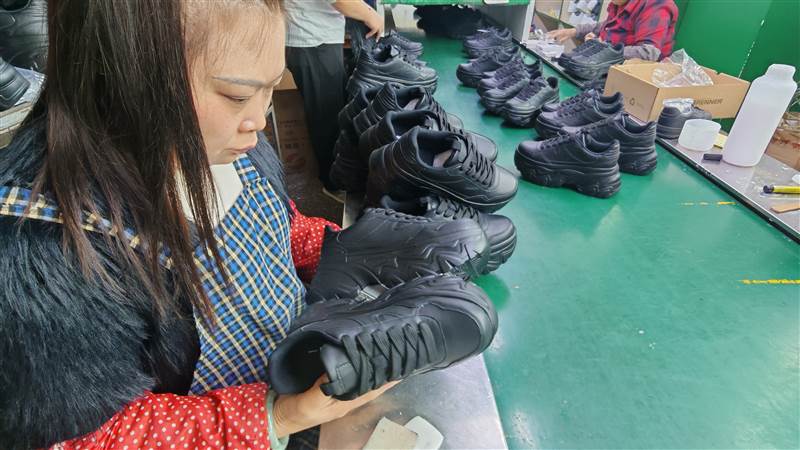
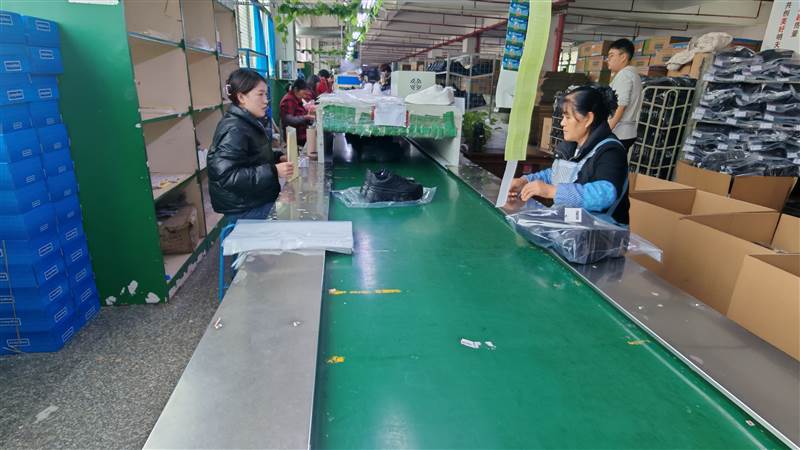
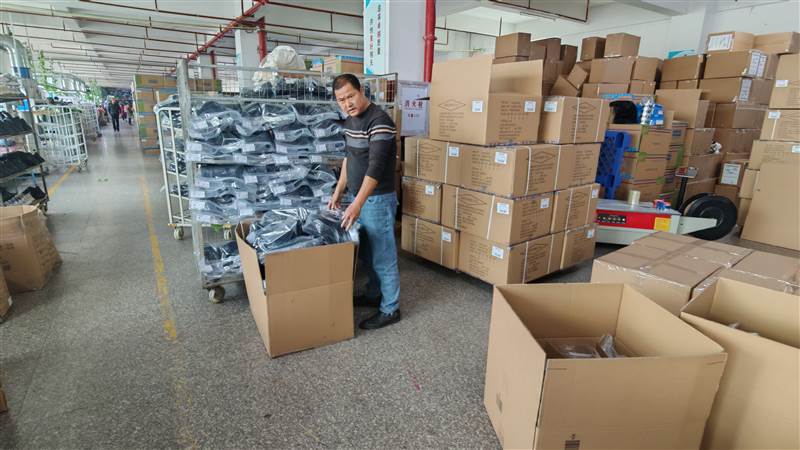
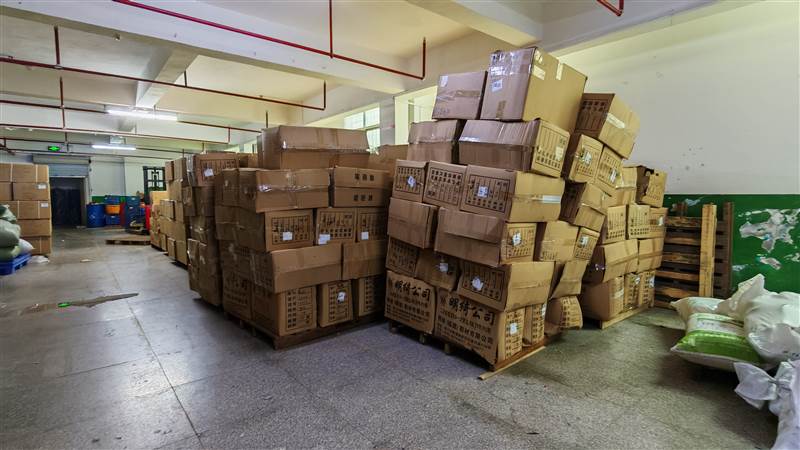
Manual design skills must be paired with high-performance machines to ensure uniform quality across every manufacturing run.
Sourcing managers need to understand the strengths of key regional centers when choosing a heeled booties factory. Below is an overview of the regions that lead the world in custom footwear manufacturing:
Widely recognized as the global capital for high-end fashion footwear. Dongguan is home to premium factories like Dongguan Realm Shoes Co., Ltd., offering skilled labor, complex leather-working capabilities, and advanced prototyping departments.
Highly optimized for high-volume orders. Ideal for brands looking for budget-friendly synthetic options and large-scale manufacturing capacity.
Known for its specialization in ladies' leather pumps and high-fashion booties. Strong in wholesale supply and quick-response domestic shipping links.
The hub for luxury fashion houses. Focuses on premium designer aesthetics, using top-tier Italian calfskin and hand-crafted lasts.
Specializes in mid-to-high-tier leather ankle boots. Focuses heavily on sustainable manufacturing practices and ethical leather sourcing.
A rapidly growing supplier for the European Union. Turkey offers fast logistics, quality leather craftsmanship, and duty-free benefits for European buyers.
The strategic go-to for North American brands. Leon offers quick shipping to the US and Canada, specializing in leather boot construction.
Highly competitive for mass production of casual athletic-boot hybrids, capitalizing on lower trade tariffs with major global markets.
Chennai specializes in finished leather goods and premium work boots, while Portugal excels in boutique, high-quality leather boot production with strict social compliance standards.
Sourcing footwear globally requires strict adherence to international safety and material standards. A reputable factory must offer verifyable compliance documentation to avoid customs clearance delays and protect brand reputation.
When importing heeled booties into major markets like North America and the European Union, products must comply with safety regulations covering chemical ingredients and structural components:
Strict limits on restricted substances such as lead, cadmium, and hexavalent chromium (Cr VI), which are common risks in leather tanning and metal hardware finishing.
Ensuring that materials are free from harmful levels of phthalates and bisphenol A (BPA), which are key requirements for selling in California and across the US market.
Audits that verify fair wages, safe working environments, and the prohibition of forced labor across the entire supply chain.
A premium factory does not use a single "standard last" for all global markets. Feet shapes and preferences vary by region, and designs must adapt to these differences:
The footwear industry is rapidly adopting digital and automated technologies to improve speed, reduce waste, and increase customization capabilities.
By replacing physical clay and wooden lasts with 3D digital CAD files, design revisions can be completed in hours rather than weeks, dramatically reducing prototype development times.
Automatic nesting software maximizes leather yield. High-speed laser cutters eliminate the need for physical metal cutting dies, making low-MOQ runs cost-efficient.
Replacing traditional toxic solvent-based glues with water-soluble alternatives ensures safer conditions for workers and clean, odor-free end products.
Smart Industry 4.0 Integration