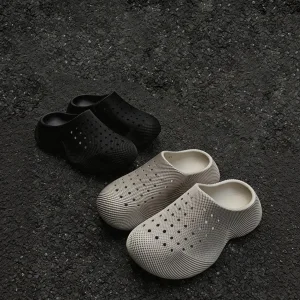
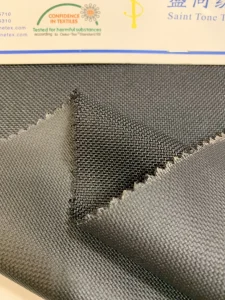
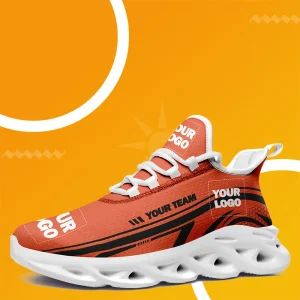
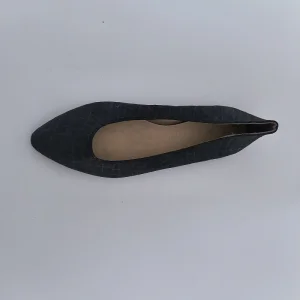
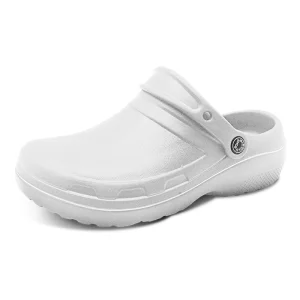
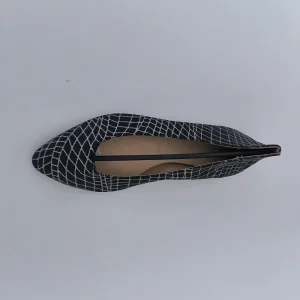
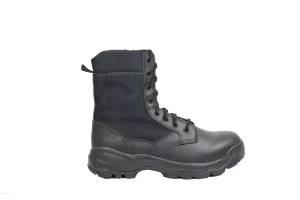
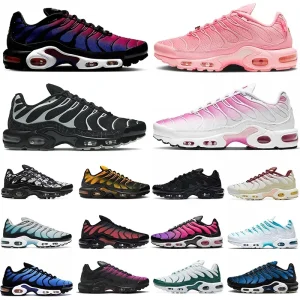
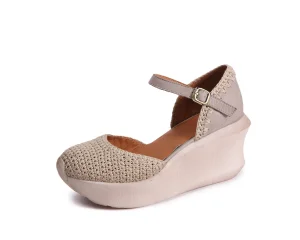
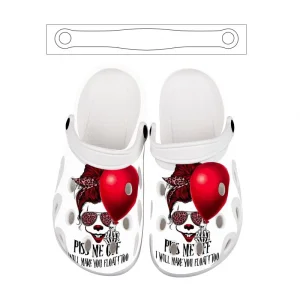
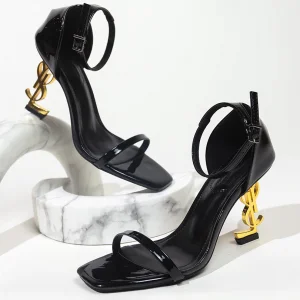
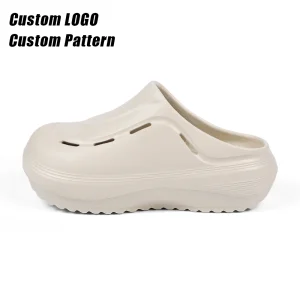
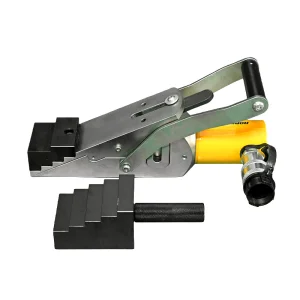
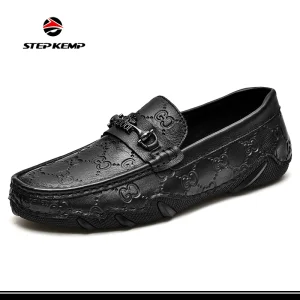
Explore our diverse manufacturing capabilities, showcasing high-end craftsmanship across medical, luxury, casual, and industrial-grade custom footwear.
An analytical exploration of how ergonomic engineering, professional styling, and micro-climate materials are redefining global business attire.
The global dress sneakers segment is experiencing a compounding annual growth rate (CAGR) of 8.4%. Driven by the shift toward hybrid workplaces, modern corporate executives demand footwear that seamlessly transitions from boardrooms to airports. This shift has elevated the dress sneaker from a casual accessory to an essential corporate asset.
Unlike traditional oxfords, premium dress sneakers employ complex hybrid constructions. By combining Italian calfskin or full-grain leather uppers with performance-engineered thermoplastic polyurethane (TPU) or ethylene-vinyl acetate (EVA) outsoles, manufacturers achieve formal styling without compromising ergonomic support.
Advanced thermal management within the shoe is achieved through micro-perforated linings, vegetable-tanned sheepskin insoles, and orthotic memory foams. These elements collaborate to ensure breathability, moisture control, and long-duration shock absorption, satisfying strict wellness-at-work initiatives.
Decoding the critical sourcing metrics, margin expectations, and logistical flexibilities required by global enterprise buyers.
Enterprise procurement departments face continuous pressure regarding lead times, supply chain disruptions, and tariff uncertainties. Sourcing from a partner that integrates regional raw material access with robust backup production capacity is vital. High-volume orders demand specialized production scheduling and raw material pre-allocation to prevent bottlenecking.
In modern B2B shoe sourcing, rigid MOQs are a major barrier. Low-risk testing of new markets requires agile production runs. A structure that accommodates small-batch capsule collections (100–1,000 units per style) while preserving scalable processes for high-volume rollouts is critical to reducing capital exposure for private labels.
Providing vertically integrated design, developmental intelligence, and optimized production for premium leather dress shoes and hybrid sneakers.
Our dedicated design and development department works directly with your design sketches, conceptualizing new lasts, sourced hardware, and modern textures. This converts abstract ideas into retail-ready physical samples in minimal turnaround time.
We own a highly agile, modern factory in Dongguan capable of executing fast production runs for emerging styles. For large-scale global campaigns, we leverage audited partner factories to easily scale production to hundreds of thousands of units.
Quality represents the core of our brand equity. Our seasoned QC department, averaging more than 10 years of industry experience, inspects products at every point, minimizing defects, ensuring standardized sizing, and guaranteeing timely delivery.
Deep dive into our vertical assembly line, combining modern machinery with traditional leatherworking techniques.
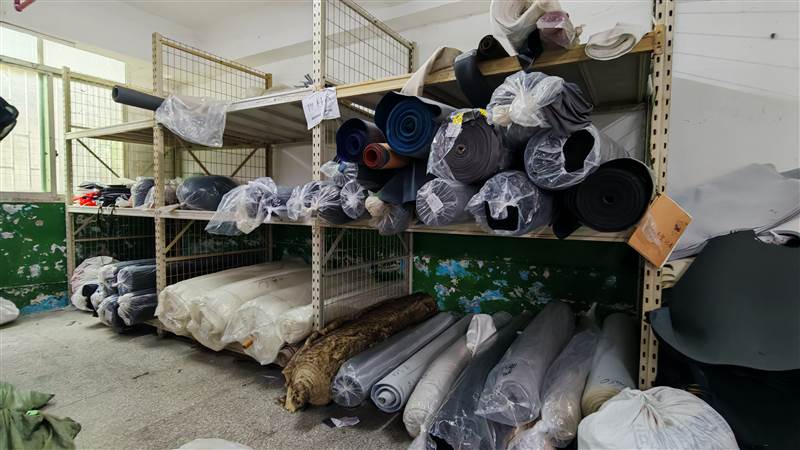
We source premium raw hides, LWG-certified calfskins, and high-performance synthetic materials. All incoming leather rolls and textiles undergo rigorous physical inspection to detect imperfections, color deviations, and tensile vulnerabilities before release to the cutting floor.
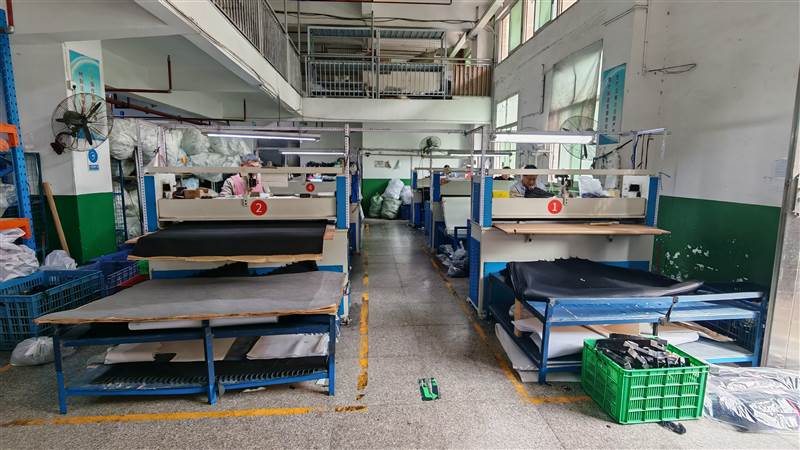
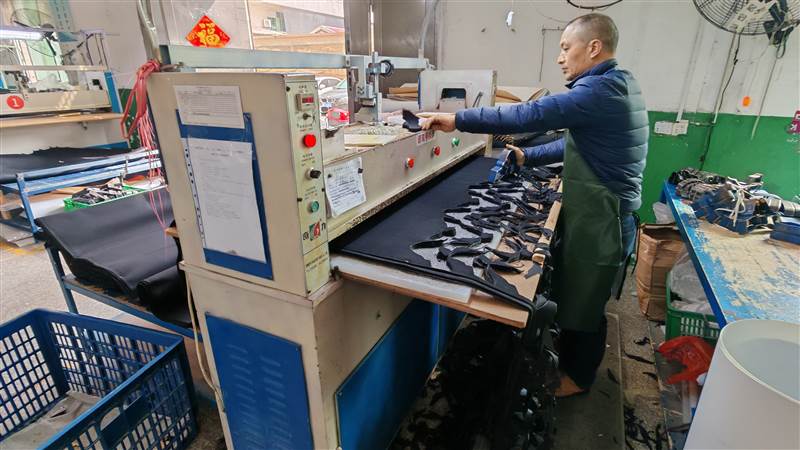
Our cutting process blends hand-cut methods for specialized leathers with computerized hydraulic press systems. This guarantees dimensional precision for multi-layered panel assemblies, laying the groundwork for clean silhouettes and structural integrity.
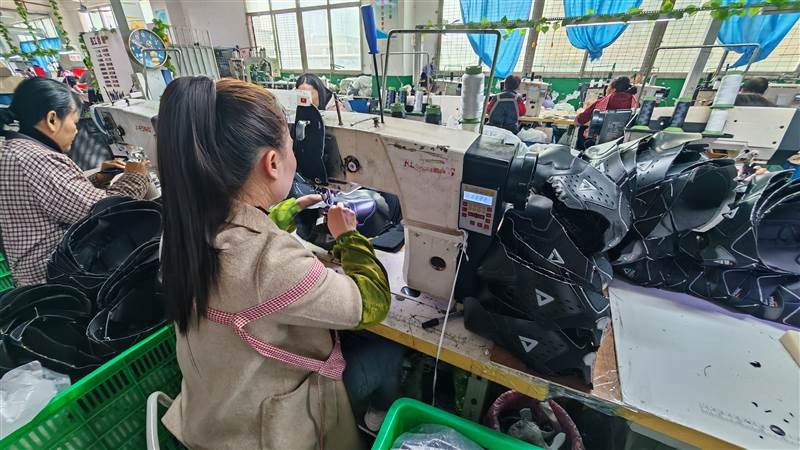
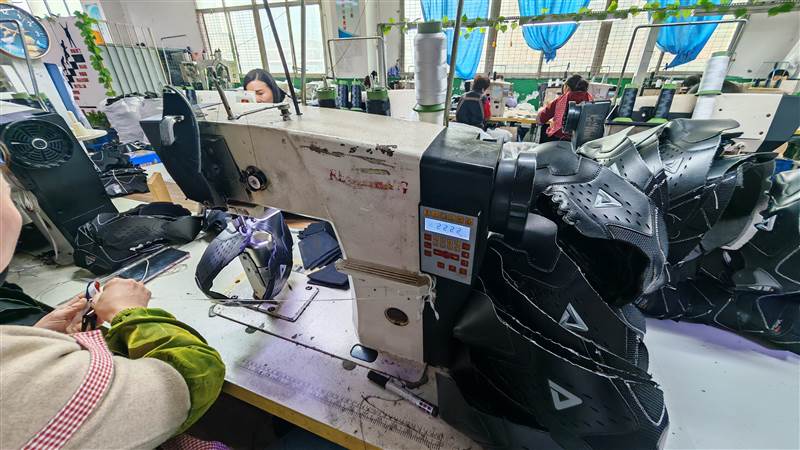
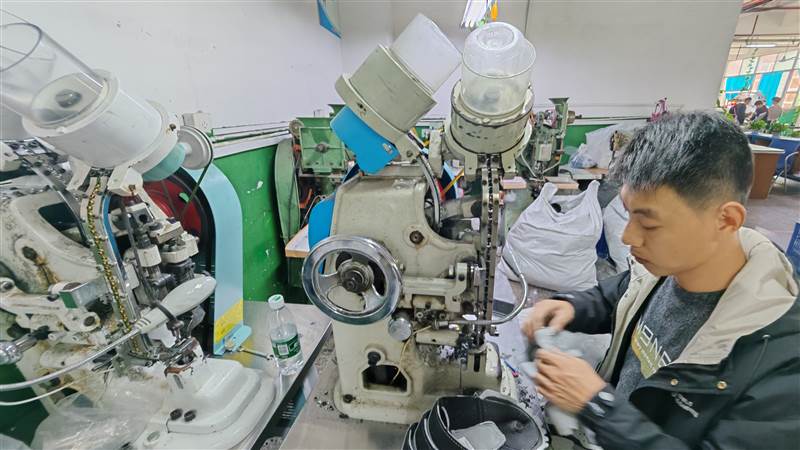
Using advanced stitching equipment, our operators sew together the delicate panels of the upper lining. We enforce strict stitch-per-inch parameters and integrate reinforced structural tapes to prevent future seam failures in high-stress zones.
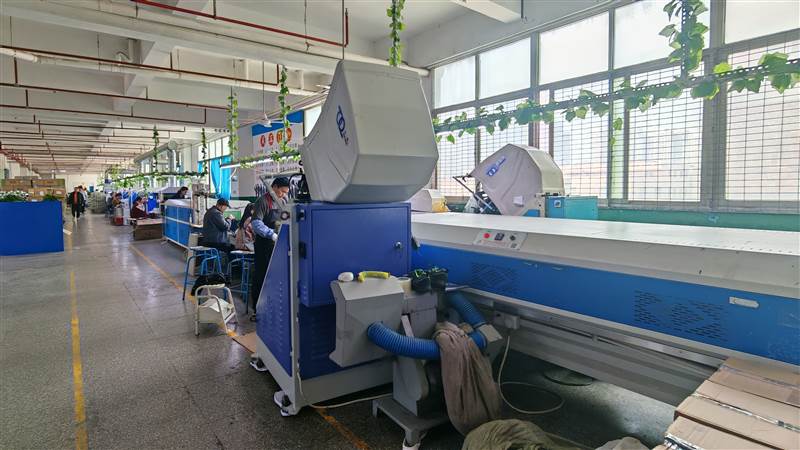
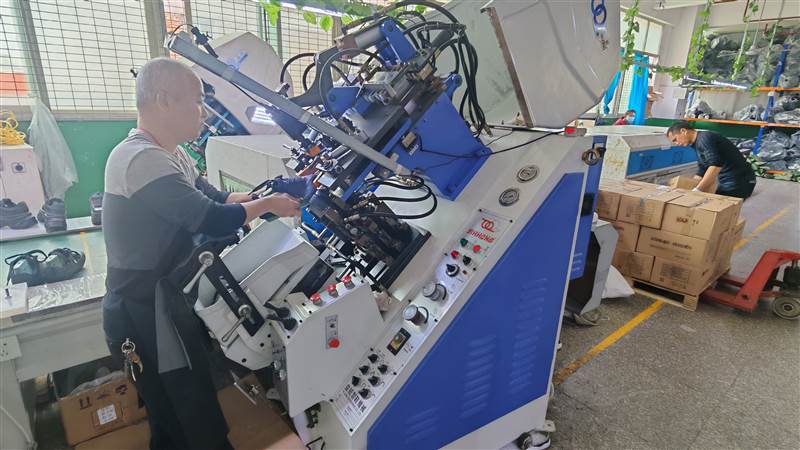
The completed leather upper is joined to the custom molded sneaker outsole. Utilizing high-performance bonding compounds, heat activation tunnels, and computerized pneumatic presses, we achieve a permanent vulcanized bond that easily passes flex testing.
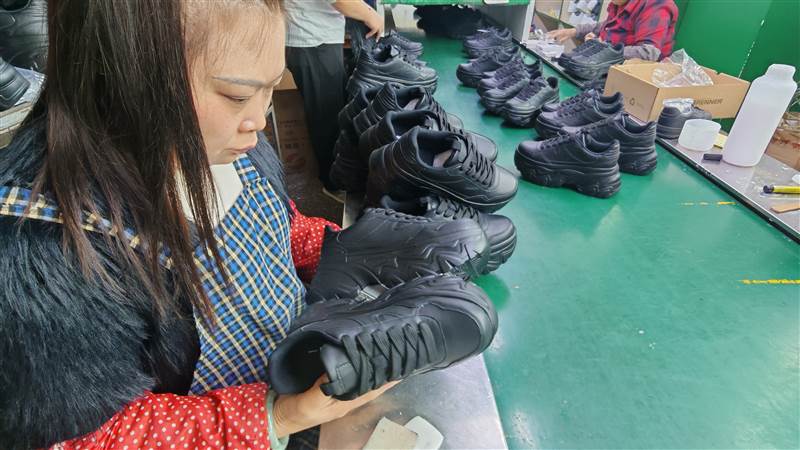
Every dress sneaker undergoes a multi-point manual checking process. Experts evaluate sole attachment, check alignment tolerances, test insole seating, inspect stitch lines, and ensure the leather is completely free from blemishes, glue marks, or color fading.
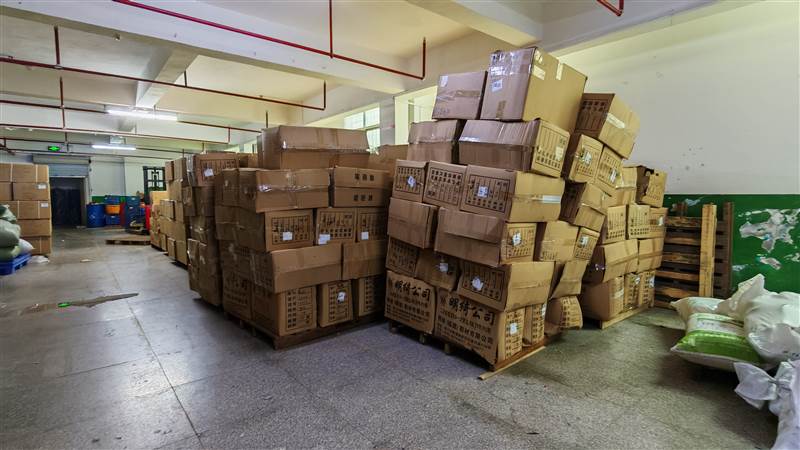
Finished products are carefully wrapped in acid-free tissue paper, paired with moisture-absorbing silica packets, and packed in customized, FSC-certified presentation boxes. These are systematically stacked in climate-controlled storage areas to preserve leather suppleness prior to container dispatch.
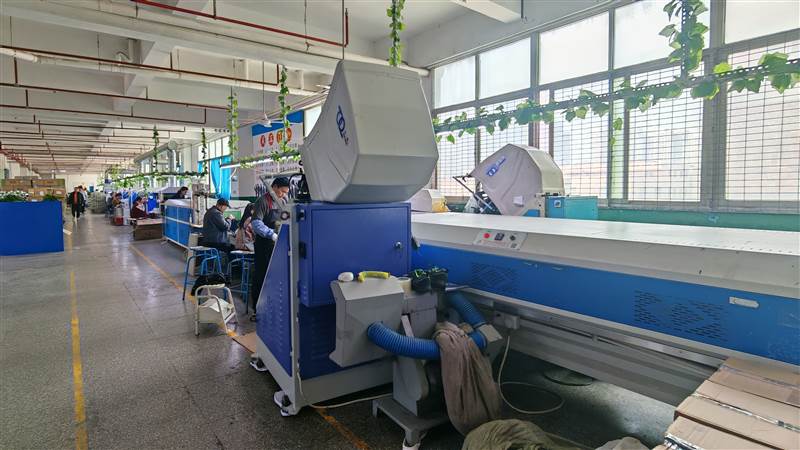
Our capital equipment infrastructure enables consistent production tolerances and fast turnaround times.
Understanding international standards, custom clearances, and regulatory frameworks required for seamless global distribution.
We ensure all footwear components adhere strictly to global chemical regulations, including EU REACH, California Prop 65, and CPSIA. Materials are tested for restricted substances, lead, phthalates, and hexavalent chromium (CrVI) in leather processing.
Our logistical operations team provides comprehensive documentation, HS code classification, and export compliance support. This helps avoid port delays and ensures seamless shipping to major international hubs across the US, Europe, and Asia-Pacific.
We employ a strict data protection system and isolate proprietary design patterns within our secure CAD files. Under private label agreements, design files remain confidential to protect client intellectual property from unauthorized duplication.
A forward-looking perspective on material sciences, circular design, and the next decade of sustainable production.
As brands prioritize environmental sustainability, we are actively testing outsoles formulated with sugarcane-derived EVA and recycled rubber polymers. These alternatives deliver the same rebound performance, tensile strength, and abrasion resistance as traditional petrochemical compounds while significantly reducing the carbon footprint per pair.
The future of hybrid footwear lies in circular design. We are developing construction techniques that allow the upper leather to be easily separated from the synthetic outsole at the end of the shoe's lifecycle. This allows leather to be repurposed and polymers to be granulated and recycled, preparing brands for coming extended producer responsibility (EPR) regulations.
Providing clear, technical answers to common queries regarding enterprise shoe development and B2B sourcing.
For standard OEM/ODM dress sneakers, sample development takes approximately 7 to 14 working days. This includes CAD patterning, outsole matching, material sourcing, and initial assembly. Bulk production generally ranges from 30 to 45 days, depending on the complexity of the design and raw material sourcing schedules.
We offer flexible MOQs of 100 to 1,000 pairs per style. This enables brands to test consumer response to new styles and minimize inventory risk. For high-volume rollouts, we partner with scaled factories to maintain consistent pricing and quality.
Yes, our design and sourcing team works with a wide range of materials, including LWG-certified calfskins, recycled microfiber leathers, polyurethane (PU) synthetic alternatives, and bio-based plant materials.
We develop customized lasts mapped to specific regional standard sizing charts (US, UK, EU, JP). By using digital CAD sizing and high-precision molding, we ensure consistency across all production batches.
Our quality control protocols include tensile strength testing, upper-to-sole bonding strength tests, outsole slip resistance checks, and color crocking tests. These procedures verify that each pair meets international performance standards before shipment.
Explore additional solutions from our catalog, ranging from casual comfort slippers and athletic platforms to specialized industrial components.