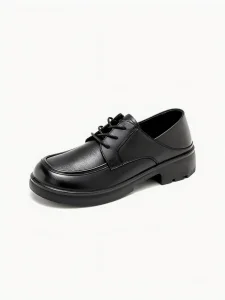
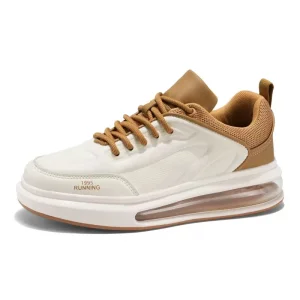
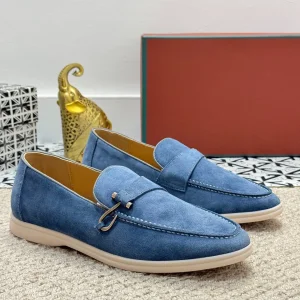
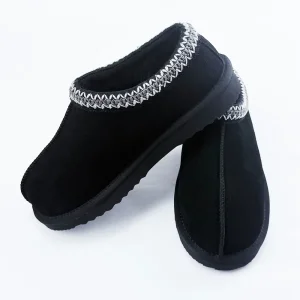
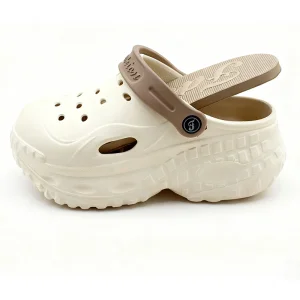
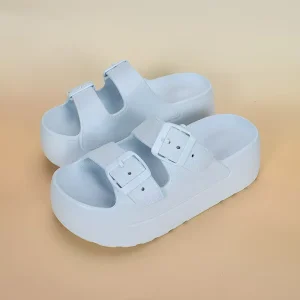
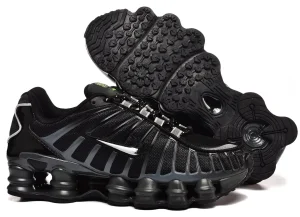
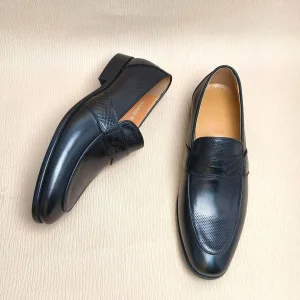
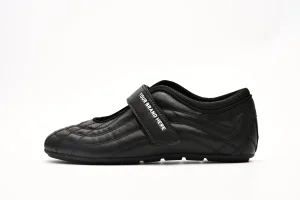
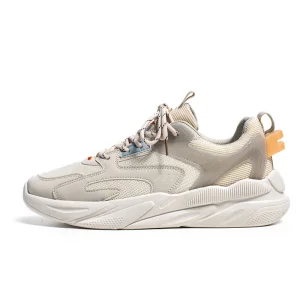
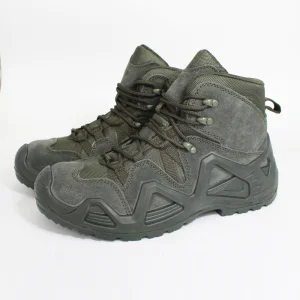
Explore our core product offerings designed for dynamic weather protection, industrial versatility, and international distribution.
Founded in 2015, Dongguan Realm Shoes Co., Ltd. has established a decades-long legacy of handcrafting precision footwear from our headquarters in Dongguan, China. Our fundamental expertise lies in manufacturing and exporting high-grade safety footwear, cold-insulated tactical gear, and executive leather footwear styles. Over the years, we have scaled our production infrastructure to bridge the gap between premium raw material craftsmanship and strict regulatory compliance requirements.
We own a state-of-the-art facility tailored for rapid-prototyping, flexible production lines, and robust manufacturing pipelines supporting low minimum order quantities (MOQ of 100 to 1,000 units per line). In tandem with global supply-chain requirements, we maintain strong technology-driven integrations with the region's top tier suppliers to scale volume output securely and on-schedule.
QC Expertise
CE Certified Testing
Flexible MOQs

Understanding the trade channels, regulatory hurdles, and growth trajectories of the protective winter footwear market.
The global extreme cold protective footwear market is currently undergoing a structural transition. Driving this shift is the convergence of two major consumer demands: robust utility-grade weatherization and strict compliance with global occupational safety standards. B2B procurement professionals from regions such as Northern Europe, Canada, and the northeastern United States are facing heightened pressure to source winter boots that possess certified safety features while preserving ergonomic wearability over extended shifts.
As a seasoned supplier, we recognize that the term "CE Certified" represents much more than a routine marking checklist. It implies that the footwear has undergone rigorous mechanical testing protocols covering puncture resistance, impact-absorbent steel or composite toe structures, and specific thermal barrier insulation thresholds. In cold storage logistics, polar extraction industries, and alpine municipal services, importing certified footwear prevents regulatory liabilities and keeps workforce claims to a minimum.
Specifies basic and additional (optional) requirements for safety footwear used for general purposes. Includes mechanical risks, slip resistance, thermal risks, and ergonomic behavior.
Tested under strict laboratory conditions where temperature drop inside the boot is measured. Essential for boots deployed in climates ranging from -15°C down to -40°C.
Minimizing customs delays and tariff risks through direct routing, transparent certifications, and accurate harmonized tariff system codes (HS Codes).
Where custom engineering meets specific environmental and industrial challenges.
Constant operations in environment temperatures of -20°C require boots with non-metallic composite safety caps. Composite toes prevent heat conduction away from the foot, mitigating frostbite risks over prolonged shifts.
Combining elegant exterior design elements (incorporating premium suedes and full-grain leathers) with highly functional traction matrices (such as custom vulcanized rubber compounds) for staff and resort guests.
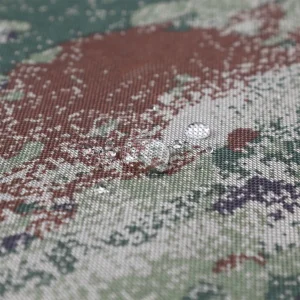
Demands waterproof membranes coupled with moisture-wicking synthetic linings. Outer fabrics must be tear-resistant, featuring high hydrostatic water column resistance properties to withstand slush, rain, and snowpacks.
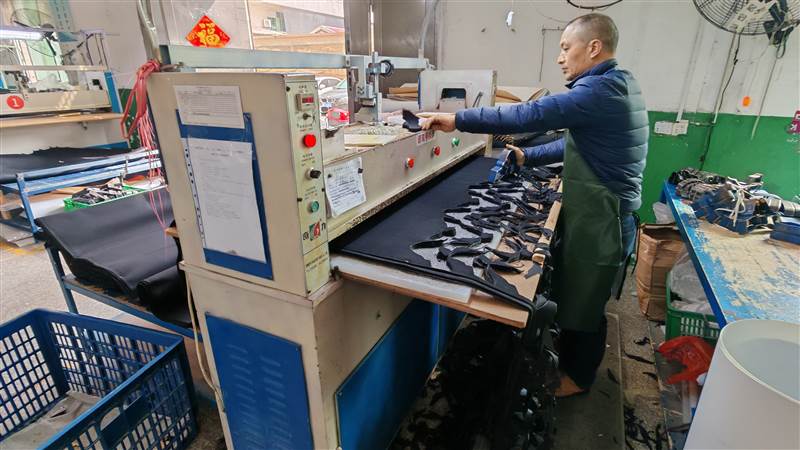
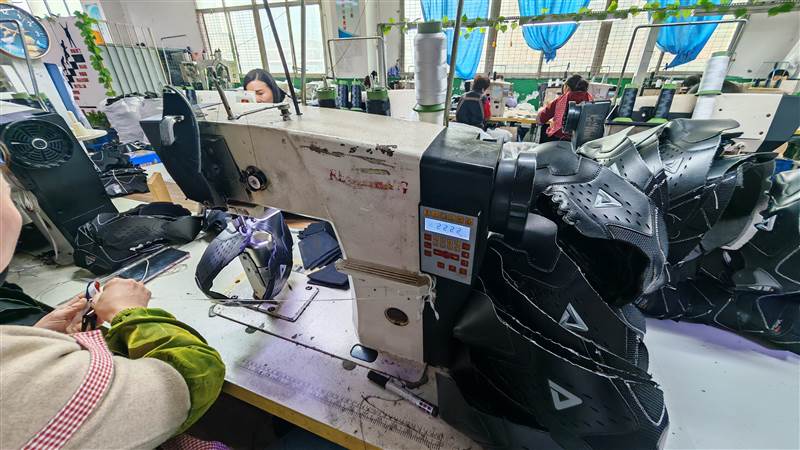
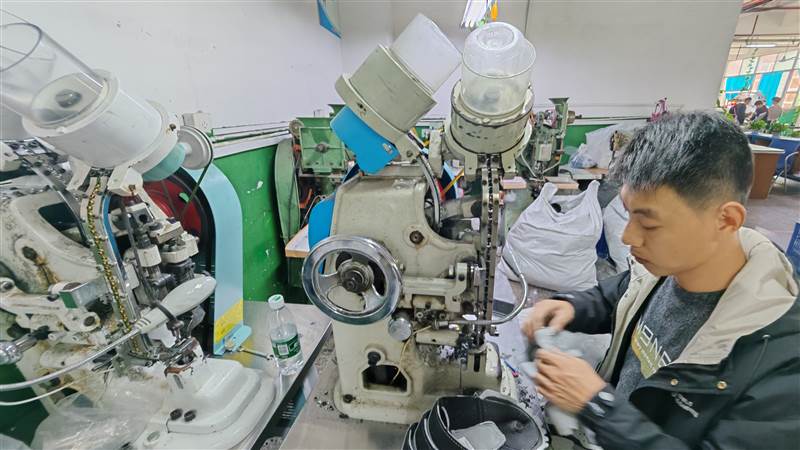
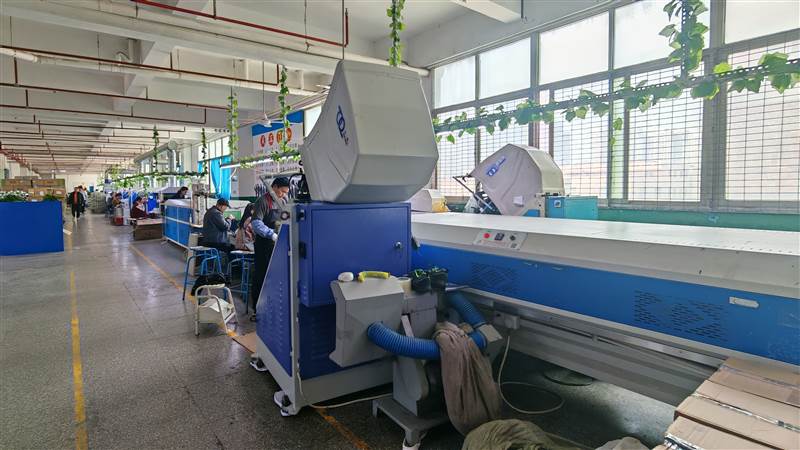
A transparent view of our state-of-the-art craftsmanship, showing every step from raw raw material selection to secure warehousing.
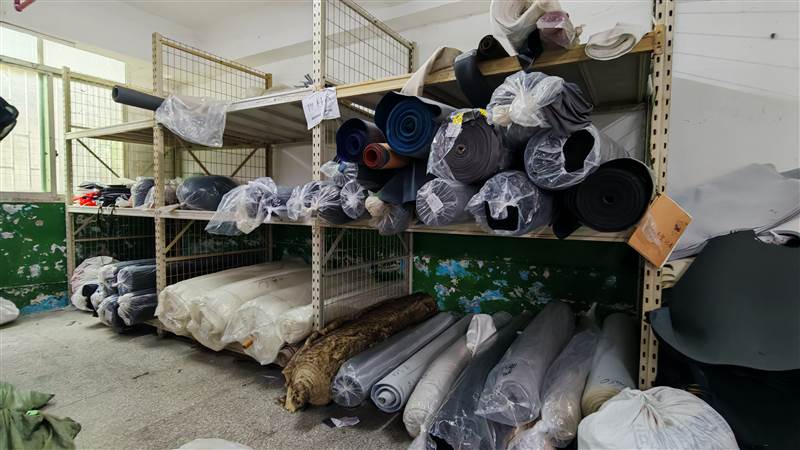
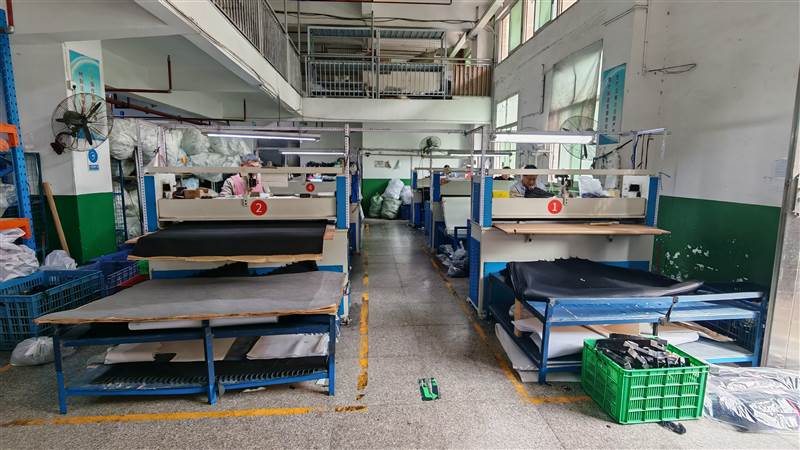
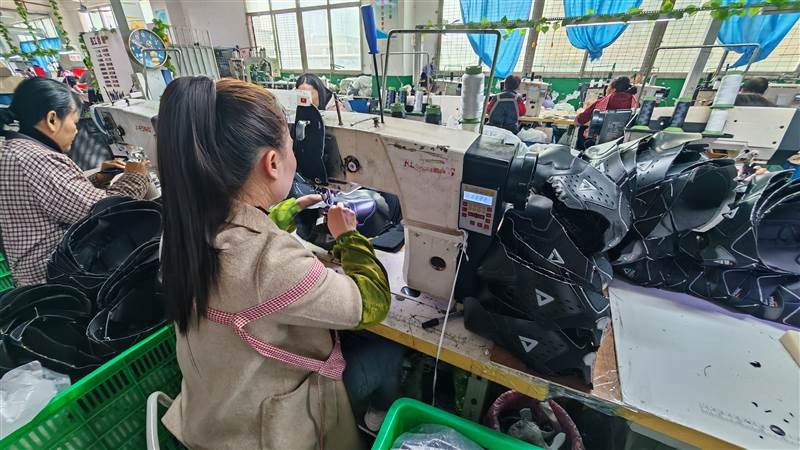
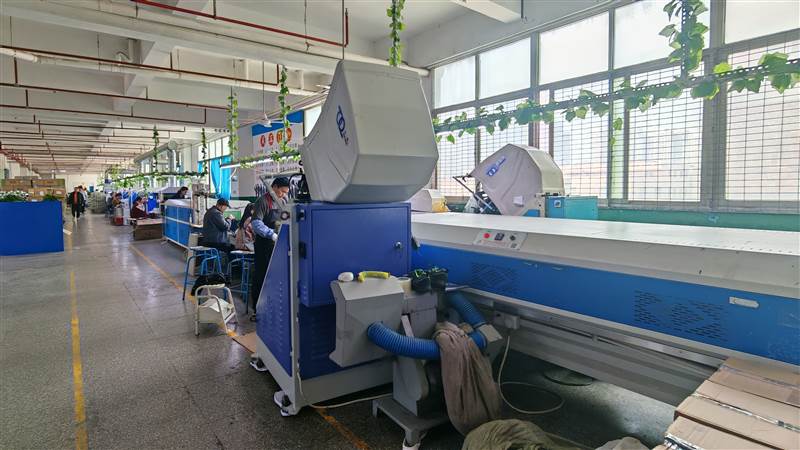
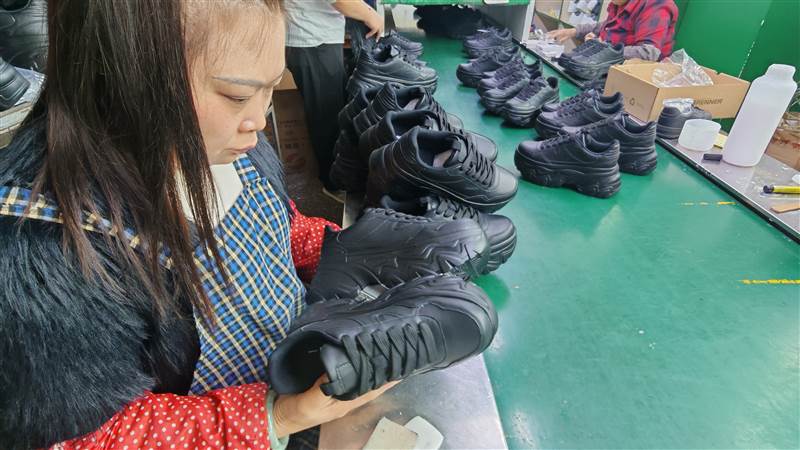
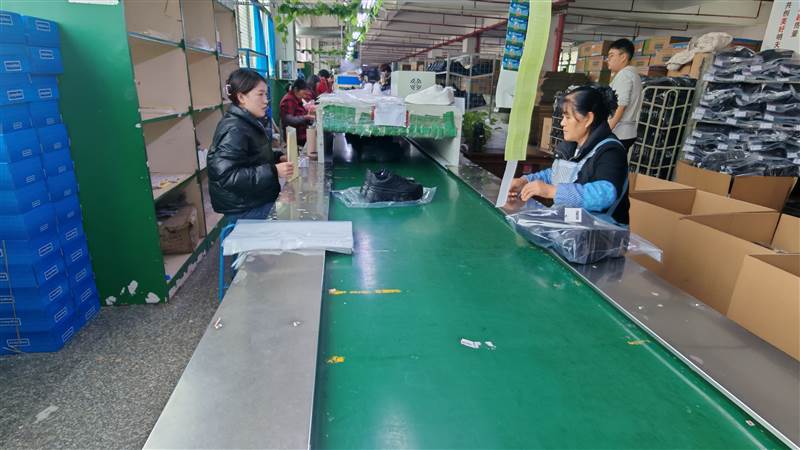
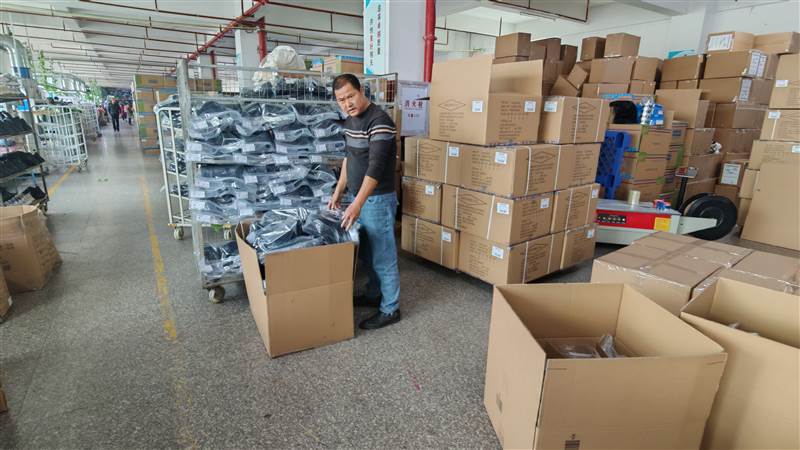
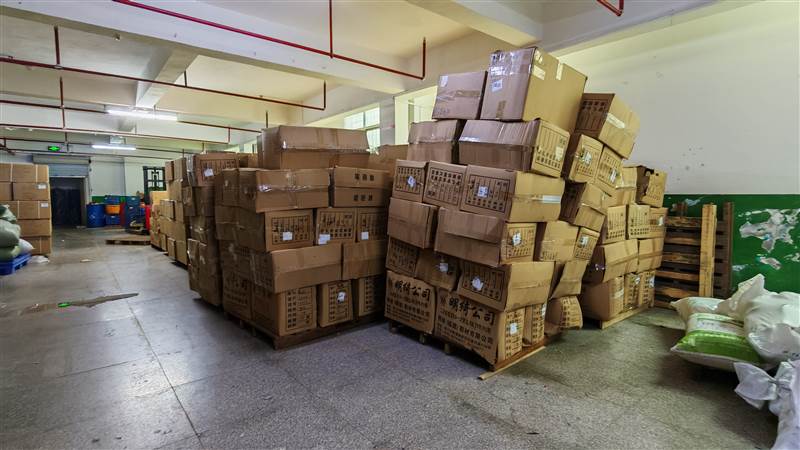
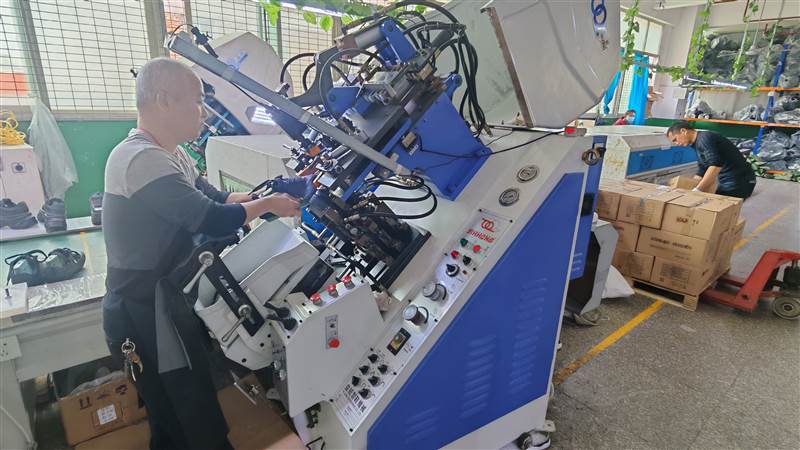
High-capacity automated systems driving consistency, speed, and design integrity across bulk production runs.
Pioneering sustainable and smart insulation structures to redefine protection benchmarks.
Integration of Phase Change Materials (PCMs) that release and absorb heat dynamically, ensuring the wearer maintains a baseline temperature of 37°C inside the boot despite volatile exterior environment swings.
Migrating away from traditional petroleum-dependent fill material toward bamboo-charcoal filaments and recycled ocean PET insulation, significantly reducing carbon footprints of mass-produced commercial batches.
Deploying computer-aided simulation models to study pressure distribution profiles on packed snow. The result: customized deep-lug geometries that clear mud and debris autonomously, maximizing slip prevention.
End-to-end supply chain integration designed specifically for international B2B footwear brands.
B2B footwear distribution centers face complex problems due to seasonal fluctuations. Delivering winter collections late can significantly harm retail sell-through rates. Dongguan Realm Shoes Co., Ltd. addresses this issue through optimized manufacturing scheduling. We lock in materials and schedule production capacity up to six months before the first winter freeze, ensuring we meet our delivery deadlines.
Additionally, we mitigate logistics risks by coordinating directly with premium global shipping lines, offering customs-compliant documentation packs (complete with certified lab reports for CE verification), and packing all products in moisture-controlled sea container configurations. This end-to-end logistics support ensures that imports arrive in pristine condition and clear customs without delay.
Get immediate answers to crucial technical compliance, manufacturing capacity, and ordering parameters.
Discover more versatile product options from our dynamic manufacturing lines.