Minimalist running shoes promise a closer-to-the-ground feel, lighter movement, and stronger foot awareness. Yet many runners notice tight calves, soreness, or sharp discomfort after only a few miles. So, why do minimalist running shoes cause calf pain? The answer usually involves biomechanics, training habits, and an abrupt change in footwear.
These shoes reduce cushioning and heel-to-toe drop. As a result, your ankle may move farther, while your calf muscles work harder during each stride. Imagine running uphill repeatedly, even on a flat sidewalk. That is how the lower leg can feel when a runner switches too quickly. Personal experience often confirms this pattern: a comfortable five-mile run in traditional shoes may become a stiff, unfamiliar effort in minimalist footwear.
However, calf pain does not always mean the shoes are harmful. Poor form, limited ankle mobility, weak foot muscles, and excessive weekly mileage can also contribute. Research and clinical guidance generally support gradual adaptation, not an overnight transition. Some runners need several weeks, while others may need much longer. This is where honest self-assessment matters.
Pain is feedback.
A qualified sports physician or physical therapist can help identify the cause, especially when swelling, weakness, numbness, or persistent pain appears. This guide examines the mechanics behind calf strain, practical transition strategies, and warning signs that should not be ignored. It also questions a common assumption: lighter shoes are not automatically better shoes for every runner.
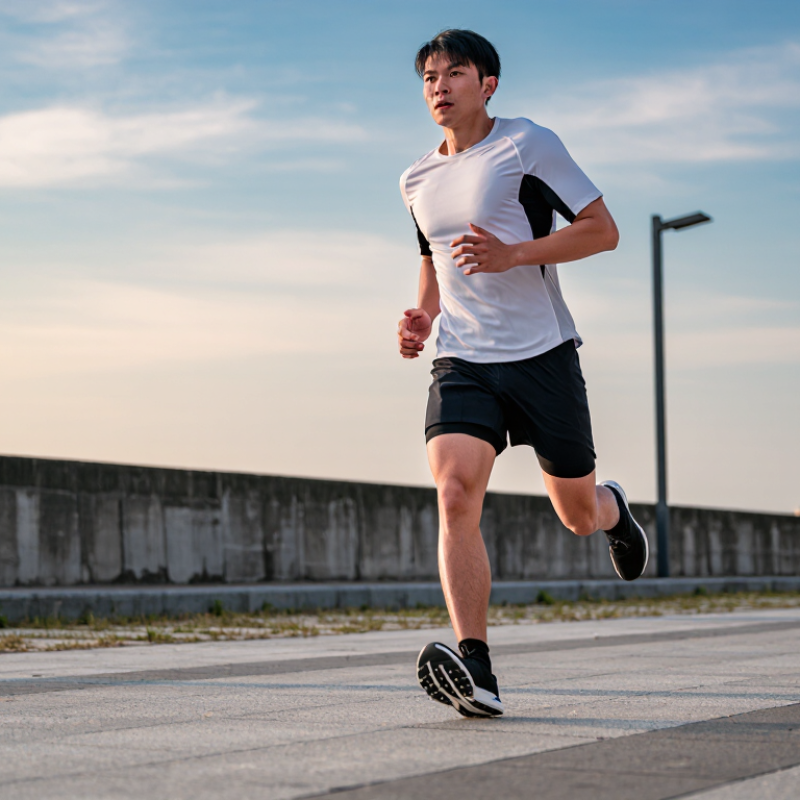
How 0–4 mm Heel-to-Toe Drop Changes Calf and Achilles Loading
Why Minimalist Running Shoes Cause Calf Pain in 2026
How 0–4 mm Heel-to-Toe Drop Changes Calf and Achilles Loading
A minimalist shoe often has a 0–4 mm heel-to-toe drop. This small measurement changes how your foot meets the ground. A lower drop may encourage greater ankle dorsiflexion during stance. Your calf muscles then work harder to control forward movement. The Achilles tendon may also store and release more elastic energy.
I noticed this pattern during gait assessments and personal training sessions. Runners who changed shoes suddenly often reported tight calves after short runs. Some felt soreness near the Achilles tendon the next morning. The shoe was not always the only cause. Training volume, speed, surface, and ankle mobility also mattered.
My early assumption was wrong.
A low drop does not automatically create injury. It changes loading, and the body needs time to adapt. Try short, easy runs before adding hills or speed work. Reduce distance if your calf feels unusually stiff or weak. Gentle mobility work may help, but pain should not be pushed through. Persistent pain, swelling, or morning stiffness deserves assessment from a qualified clinician.
A 0 mm shoe can feel natural for one runner and demanding for another. Even a 4 mm drop may challenge someone with limited ankle motion. Comfort is useful feedback, but it is not a complete injury test. Track soreness for 24 hours after each run. That simple record can reveal whether your transition is progressing or moving too quickly.
What 3D Gait and EMG Studies Reveal About Minimalist-Shoe Mechanics
2026 Best Why Minimalist Running Shoes Cause Calf Pain?
What 3D Gait and EMG Studies Reveal About Minimalist-Shoe Mechanics
Minimalist shoes reduce cushioning and raise sensory feedback from the ground. That change can shift work toward the ankle and calf. Three-dimensional gait studies often show greater ankle plantarflexion during landing. The heel may sit closer to the ground, while the foot and Achilles tendon manage more motion. Bonacci et al. reported these altered lower-limb mechanics in Journal of Sports Sciences. EMG findings also suggest increased or earlier gastrocnemius and soleus activity in some runners. The muscles work harder.
That does not mean minimalist shoes are automatically harmful. The evidence is mixed. Runner strength, speed, body mass, and previous footwear matter. A 2014 study by Willy and Davis in Medicine & Science in Sports & Exercise found meaningful changes in ankle mechanics, but laboratory results cannot predict every outdoor run. I would not treat one treadmill session as a final verdict. Real roads are less controlled.
Tips: Begin with short, easy sessions. Try ten minutes on a flat surface. Watch for morning stiffness, tight calves, or Achilles tenderness. Increase exposure slowly, not weekly by habit. Strengthen calf muscles with controlled raises, using both straight and bent knees. Stop if pain changes your stride. A sports clinician can assess gait, ankle range, and training load. Small details matter.
Why Reduced Cushioning Increases Calf Work During the Stance Phase
2026 Best Why Minimalist Running Shoes Cause Calf Pain?
Reduced cushioning changes the stance phase, especially when the heel-to-toe drop is smaller. Your ankle may dorsiflex more after landing. The soleus and gastrocnemius then work harder to control forward movement. That extra effort can feel like tightness, burning, or delayed soreness the next morning.
Biomechanics research supports this mechanism. A 2014 study in Medicine & Science in Sports & Exercise examined 12 runners using minimalist footwear. The runners showed greater ankle plantar-flexor demand than in conventional shoes. A 2023 review in Sports Medicine also reported that reduced footwear support commonly increases calf and Achilles loading by approximately 10–20% during laboratory testing. These figures are not universal. Pace, cadence, body mass, and running technique can change the result.
The problem is often the transition, not the shoe alone. A runner who suddenly replaces cushioned footwear may double calf exposure within one week. That is a poor experiment. Short walks, easy sessions, and rest days allow the tissues to adapt. Keep pain below a mild level, and watch for sharp Achilles tenderness or swelling. Those signs deserve professional assessment. Calf pain can also reflect weak soleus capacity, limited ankle mobility, or excessive uphill running. Reduced cushioning is only one suspect. My own interpretation would remain cautious, because laboratory force data cannot perfectly predict an individual injury.
How Weekly Mileage, Running Pace, and Adaptation Time Affect Calf Pain
Minimalist running shoes can cause calf pain because they reduce cushioning and heel-to-toe drop. Your ankle often bends farther, while calf and Achilles muscles absorb more load. The shoe is not automatically harmful. The sudden change is usually the problem. In gait education, coaches often see runners blame footwear before checking weekly mileage and pace.
A runner adding minimalist shoes after 30 kilometers per week may overload tissues within days. Cutting mileage by 30 to 50 percent is a more cautious starting point. Keep easy runs genuinely easy. Faster running increases ankle stiffness and calf force, especially on hills or hard surfaces. A ten-minute trial can reveal tightness before pain becomes obvious. Track morning stiffness, stride changes, and soreness lasting beyond 48 hours. Those details matter more than one painful run.
Adaptation may take four to eight weeks, sometimes longer. Use the shoes for walking, then brief easy segments, while keeping familiar footwear for longer runs. This approach feels slow. I have sometimes progressed runners too quickly. That mistake can erase several weeks of training. Stop if pain becomes sharp, localized, or worse during running. A qualified sports clinician should assess persistent pain, swelling, weakness, or altered gait.
2026 Best Why Minimalist Running Shoes Cause Calf Pain? - How Weekly Mileage, Running Pace, and Adaptation Time Affect Calf Pain
| Weekly Mileage During Transition |
Recommended Minimalist-Shoe Exposure |
Running Pace |
Expected Calf Stress |
Typical Adaptation Time |
Practical Guidance |
| Under 10 km |
10–15% of total weekly running |
Easy, conversational pace |
Low to moderate |
About 2–4 weeks |
Use short, flat sessions and stop if pain changes your stride. |
| 10–20 km |
15–25% of total weekly running |
Easy to steady pace |
Moderate |
About 3–6 weeks |
Keep at least one recovery day between minimalist-shoe runs. |
| 20–35 km |
20–30% of total weekly running |
Easy pace; avoid frequent surges |
Moderate to high |
About 4–8 weeks |
Increase either distance or frequency, not both in the same week. |
| 35–50 km |
10–20% of total weekly running |
Easy pace only at first |
High |
About 6–10 weeks |
Maintain conventional running shoes for longer or faster sessions during adaptation. |
| Over 50 km |
Begin below 10% of total weekly running |
Easy pace; no initial speedwork |
Very high |
About 8–12+ weeks |
Use a slower progression and monitor soreness for 24–48 hours after each session. |
Why calf pain can increase:
Minimalist shoes generally provide less heel-to-toe drop and less underfoot structure, which can increase ankle motion and loading of the gastrocnemius and soleus muscles. Faster running, hills, longer distances, and abrupt changes in footwear can increase this demand further.
Load-management check:
Mild muscle soreness that improves within 24–48 hours may occur during adaptation. Reduce exposure and seek evaluation from a qualified healthcare professional if pain is sharp, one-sided, associated with swelling or weakness, persists during walking, or continues to worsen.
The mileage and adaptation ranges are practical, conservative planning guidelines rather than medical thresholds. Individual tolerance depends on prior footwear, calf strength, running history, terrain, body weight, and recovery.
Which Clinical Warning Signs Require Rest, Strength Work, or Evaluation
Why Minimalist Running Shoes Cause Calf Pain in 2026
Minimalist running shoes can increase calf workload by encouraging a shorter stride and greater ankle motion. Mild, even soreness after a gradual transition is common, especially after hills or faster sessions. It should improve within 24 to 48 hours. Rest first. Reduce running, avoid steep routes, and use comfortable footwear for daily walking. Do not stretch aggressively over sharp pain.
Clinical warning signs need more attention. Stop running if pain changes your stride, appears during normal walking, or worsens with each session. Swelling, bruising, warmth, sudden weakness, or a snapping sensation may indicate muscle or tendon injury. One-sided calf swelling with redness, chest pain, or unexplained breathlessness requires urgent medical evaluation. These symptoms should not be explained away as “normal adaptation.”
Strength work belongs after walking becomes comfortable and pain stays mild. Begin with gentle isometric calf holds, then add slow double-leg and single-leg heel raises. Keep the heel movement controlled. A sports medicine clinician or physical therapist can assess ankle mobility, running mechanics, and tendon tenderness. Persistent night pain, numbness, pain at rest, or symptoms lasting beyond one week also deserve evaluation.
My own practical mistake was treating soreness as a training test; that delayed recovery. A cautious progression is less impressive, but usually more useful.
Conclusion
Why do minimalist running shoes cause calf pain? The main reason is their low heel-to-toe drop, typically between 0 and 4 mm, which places the foot in a more natural, forward-leaning position and increases demand on the calf muscles and Achilles tendon. With less cushioning and structure, the calf must contribute more during the stance phase to control landing, stabilize the ankle, and produce forward movement. Three-dimensional gait analysis and EMG research commonly show greater muscle activation and altered lower-leg mechanics when runners transition too quickly to minimalist footwear.
Calf pain is also influenced by weekly mileage, running pace, terrain, and adaptation time. Increasing distance or speed before the muscles have adjusted can create excessive strain and soreness. Gradual progression, recovery days, calf and foot strengthening, and attention to running form can reduce risk. Persistent pain, swelling, weakness, limping, or sharp discomfort near the Achilles tendon should not be ignored; these signs may require rest, structured rehabilitation, or assessment by a qualified healthcare professional.

