Why Are My Sneaker Soles Turning Yellow?

Time:2026-11-05 Author:Aria
0%

Why are my sneaker soles turning yellow, even when the shoes look clean? The change can start quietly: a white midsole develops a cream-colored edge, then a faint amber tint spreads across the exposed rubber. In many cases, oxidation is involved. Oxygen, light, heat, and time can alter compounds in rubber and foam, while dirt or residue may deepen the discoloration. The exact cause depends on the sole’s materials, age, storage, and past cleaning.

Footwear-materials expert Dr. Christopher Pastore offers a useful materials-science perspective. The following line is an editorial summary, not a verified direct quotation: “Yellowing often reflects chemical aging, not simply surface dirt.” That distinction matters. A damp cloth may lift grime, but it cannot reverse every change within a material. Harsh scrubbing can even roughen a sole and make its color look less even.

Small clues help. Compare the covered rubber beneath the upper with the exposed sidewall. Check whether the yellowing feels like a surface film or appears throughout the material. Notice where the shoes were stored: a sunny windowsill and a warm closet can leave very different marks. Still, color alone cannot identify one cause with certainty. That is worth remembering. This guide explains common reasons sneaker soles turn yellow, what gentle care may improve, and when the discoloration is likely permanent.
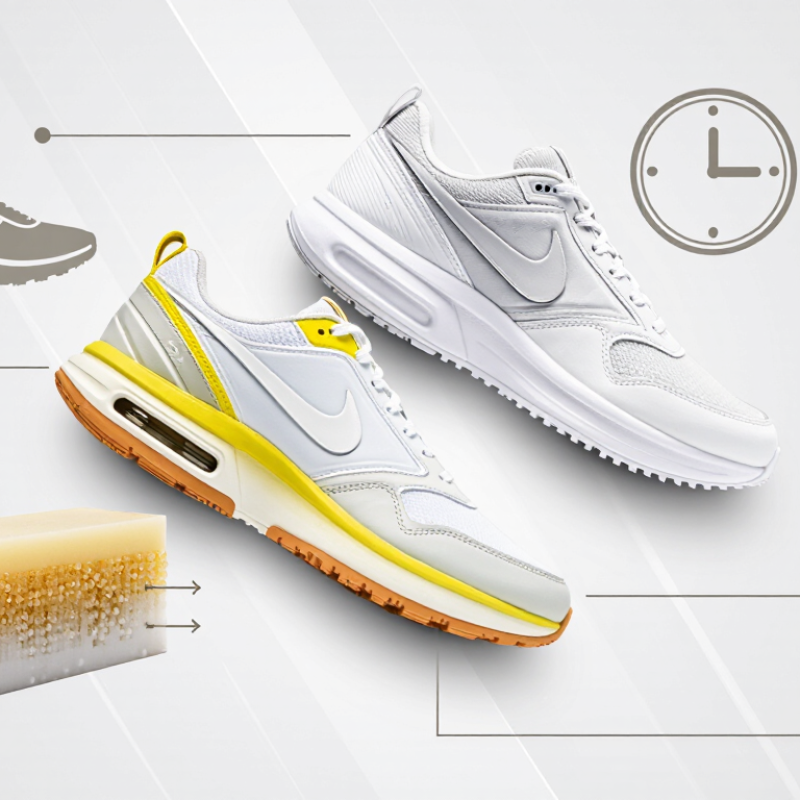
Why Are My Sneaker Soles Turning Yellow?

What Causes Sneaker Soles to Turn Yellow?

Why Are My Sneaker Soles Turning Yellow?
What Causes Sneaker Soles to Turn Yellow?

Yellowing usually comes from chemical aging, not just dirt. Oxygen and ultraviolet light can react with compounds in foam, rubber, and clear sole materials, changing their color over time. Heat can speed these reactions. Some soles also yellow when stabilizers are depleted or adhesive compounds migrate toward the surface. Often, it is chemistry. I would not blame sunlight alone; storage conditions and the sole’s material matter too.

ASTM G154-23 describes laboratory exposure cycles used to study material aging. In Cycle 1, samples receive eight hours of UV exposure at 60°C, followed by four hours of condensation at 50°C. This is a test protocol, not a prediction of how quickly a sneaker will yellow. Still, it shows why light, warmth, and moisture are considered together. Dust, skin oils, and cleaning-product residue can add a surface stain, but cleaning may not reverse color changes inside the material.

Tips: Keep sneakers away from sunny windows, heaters, and damp storage areas. Wipe soles gently with a soft cloth and mild soap, then let them dry fully in shade. Avoid harsh cleaners; they may leave residue or affect the finish. If yellowing returns after cleaning, the material itself may have aged.

Why Are Sneaker Soles Turning Yellow?

UV exposure can contribute to yellowing as light and oxygen trigger chemical changes in some sole materials. Heat, aging, and dirt can also play a role.

Approximate wavelength ranges shown for context; UV exposure is one possible contributor to yellowing, not a measure of how quickly a sole will discolor.

How Oxidation Changes the Color of Sole Materials

Why Are My Sneaker Soles Turning Yellow?

How Oxidation Changes the Color of Sole Materials

A white sole can turn cream-colored even when it has barely touched the ground. The change often begins inside the material. Ultraviolet light and heat can trigger oxidation, creating colored chemical groups called chromophores. These absorb and reflect light differently, so a once-bright surface looks yellow. Rubber, EVA foam, and polyurethane do not age identically; their formulas and additives affect the result. That is why two similar-looking soles can discolor at different speeds. Dirt may add a surface stain, but it is not always the cause.

Laboratory weathering tests show how strongly exposure conditions matter. ASTM G154’s commonly used Cycle 1 runs eight hours of UV exposure at 60°C, then four hours of condensation at 50°C. This is a controlled test cycle, not a prediction of how many days a shoe will last outdoors. Still, it illustrates how light, warmth, and moisture can combine to stress polymers. Oxidation may spread below the surface, so wiping the sole often changes little. There is a wrinkle: yellowing can also come from aging additives, not just the base polymer. Without knowing the exact sole formulation, the precise cause can be hard to pin down. I still find that easy to misread as ordinary dirt.

Which Sole Materials Are Most Prone to Yellowing?

Clear or translucent rubber is among the most visibly prone to yellowing. Sunlight and oxygen can change compounds near the surface, shifting a clear sole toward amber. The color shows sharply against white uppers. It happens. Pale rubber can also discolor, though pigments and additives affect how quickly it changes.

EVA foam, common in lightweight midsoles, may yellow after repeated exposure to ultraviolet light, heat, and air. A pair left beside a sunny window can develop a warmer cast than one stored in a cool, shaded place. The shade may appear uneven around edges or exposed sections. Not always. Different EVA formulations age differently, so material alone cannot predict the timing.

Some polyurethane soles can also discolor as they age, while moisture-related deterioration may cause separate signs such as softness or cracking. TPU is not automatically immune; clear or lightly colored versions may shift in tone under heat and light. Check the product’s care guidance, and compare covered areas with exposed ones before assuming the whole sole has changed. Yellowing can be cosmetic, but texture changes deserve attention.

What Conditions Accelerate Sole Discoloration?

Why Are My Sneaker Soles Turning Yellow?

What Conditions Accelerate Sole Discoloration?

Sneaker soles often yellow as their materials age and react with oxygen. Ultraviolet light can speed this change. A pair left beside a sunny window may discolor faster than one kept in a dark closet. Heat matters, too. A hot car or a spot near a radiator can accelerate aging, especially over time.

Damp conditions can make things worse, though moisture is not always the direct cause. Wet grit and grime may cling to textured tread, leaving stubborn marks. Poor airflow can keep soles damp longer. Harsh cleaners or repeated scrubbing may also affect some materials, so test a small, hidden area first. Materials vary; not every yellow sole has the same cause.

It is tempting to blame dirt alone, but oxidation can change the sole’s color from within. That distinction is frustrating. Surface grime may lift with gentle cleaning, while age-related yellowing often remains. Store shoes away from direct sun and heat, and let them dry fully before putting them away. This reduces exposure, but it cannot reverse every change. Sometimes, yellowing is simply part of how the material ages.

How to Prevent or Reduce Yellowing on Sneaker Soles

Yellowing usually comes from oxidation, ultraviolet exposure, heat, or residue trapped in a sole’s texture. Prevention starts with simple habits: wipe soles after wear using a damp cloth and mild soap, then let them dry completely. Keep sneakers away from sunny windows, radiators, and hot car interiors. Store them in a cool, dry, shaded place with some airflow. Darkness helps. A sealed bag can trap moisture, so it is not always the best choice.

For stubborn discoloration, test a gentle cleaner on a small, hidden area first. Avoid bleach and aggressive scrubbing; they may roughen the surface or leave uneven color. Material matters, so a treatment that helps one sole can damage another.

ASTM G154, an accelerated weathering practice used to assess plastics, includes a test cycle with eight hours of ultraviolet exposure at 60°C followed by four hours of condensation at 50°C. This is a laboratory stress test, not a direct prediction of shoe life, but it shows why sunlight and moisture deserve attention.

Some yellowing may be permanent. I would not promise a complete reversal.

FAQS

Why do sneaker soles turn yellow?

Oxygen and ultraviolet light can react with foam, rubber, or clear sole materials. Heat may speed the change. Often, it is chemistry, not dirt.

Does sunlight alone cause yellowing?

Not always. Sole material, warmth, moisture, and storage conditions matter too. Blaming sunlight alone misses part of the picture.

Can cleaning remove yellowing?

Mild soap and a soft cloth can lift dust, oils, and surface residue. They may not reverse color changes inside the material. Sometimes, it stays.

How should I clean sneaker soles gently?

Wipe them with a damp cloth and mild soap. Let them dry fully in the shade. Avoid harsh cleaners.

Where should sneakers be stored to limit yellowing?

Choose a cool, dry, shaded spot with some airflow. Keep shoes away from sunny windows, heaters, and hot cars. Darkness helps.

Should I use a strong cleaner on stubborn discoloration?

Test a gentle cleaner on a hidden spot first. Avoid bleach and rough scrubbing, which can damage the finish or leave uneven color. I wouldn’t promise a full reset.

Do laboratory UV tests predict how fast soles will yellow?

No. One test cycle uses eight hours of UV exposure at 60°C, then four hours of condensation at 50°C. It studies material aging; it does not predict a sneaker’s exact lifespan.

Why can yellowing return after cleaning?

Cleaning may remove surface stains, but the sole itself may have aged. Heat, light, or material changes can continue affecting its color. I may be oversimplifying, since materials differ.

Conclusion

If you’ve wondered, “why are my sneaker soles turning yellow,” the most common explanation is oxidation. Over time, oxygen and light can react with compounds in sole materials, gradually changing their color. Some rubber and foam blends are more susceptible than others, especially lighter-colored materials whose discoloration is easier to notice. Heat, direct sunlight, humidity, dirt, and long periods of storage may speed up the process, while residues from everyday wear can make yellowing appear more pronounced.

Although discoloration can be difficult to reverse completely, careful storage and regular cleaning may help slow it down. Wipe away dirt after wear, let sneakers dry thoroughly before storing them, and keep them in a cool, dry place away from direct sunlight. Avoid leaving them in hot cars or damp spaces, and use gentle cleaning methods suited to the sole material. These simple habits can help maintain a cleaner appearance for longer.

Aria

Aria

Aria is a dedicated marketing professional with a deep passion for innovative strategies and a keen understanding of our company's product offerings. With a wealth of experience in the industry, Aria excels at crafting engaging content that highlights the unique features and benefits of our......