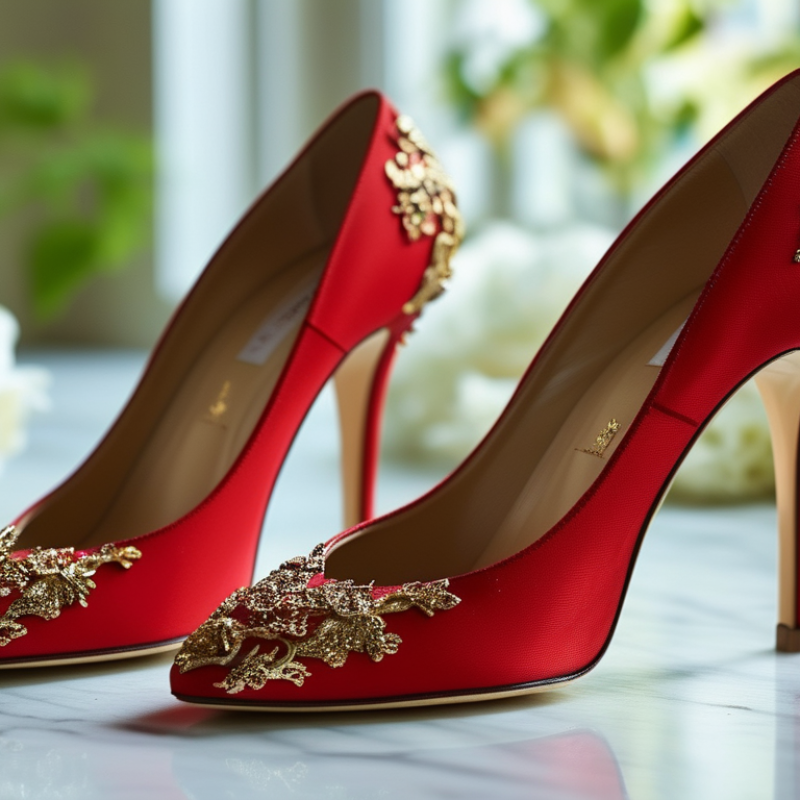
High heels are a fashion staple, yet many women experience discomfort. A common question arises: "why do my feet slide forward in high heels?" This issue can lead to pain and instability. Understanding the reasons behind this phenomenon is crucial for comfort and style.
Several factors contribute to this sliding sensation. The shoe’s design, heel height, and inadequate sizing can all play a role. When the arch support is insufficient, the foot shifts forward. This may lead to excessive pressure on the toes. Moreover, heel shape can affect stability. Shoes that taper at the front may not provide enough room.
It’s essential to reflect on personal experiences. Many women hesitate to address fit issues. Finding the right high heel can reduce discomfort and enhance confidence. As we explore the top reasons for foot sliding, consider how your choices impact your well-being. High heels should empower, not hinder.
Factors Affecting Foot Placement in High Heels
Wearing high heels can be a fun fashion statement, but it often comes with challenges. One major issue is foot placement. Many women notice their feet sliding forward in heels, which can be uncomfortable and even painful. Understanding the factors that contribute to this can help mitigate the problem.
The heel height plays a significant role in foot placement. The higher the heel, the more your foot is angled down. This can cause your toes to push against the front of the shoe. A narrow toe box can exacerbate this issue. If the shoes are too tight, your feet will have less room to move, leading to a slipping sensation. It's critical to find shoes with a proper fit to ensure comfort.
Another aspect to consider is foot shape. Everyone's feet are unique, and what works for one person may not work for another. Variations in arch height and width can influence how your foot sits in the shoe. If your foot doesn't match the shoe design, sliding might occur. It’s a good idea to assess your foot type and choose heel styles that accommodate your unique shape. Reflecting on these factors can help in finding a more comfortable high heel option.
Anatomy of High Heels and Their Impact on Foot Position
High heels can alter foot position significantly due to their design. The slanted angle causes toes to slide forward. This shift can create discomfort and even pain over time. Understanding the anatomy of high heels helps to recognize these impacts. The arch support is usually minimal, pushing the foot into an unnatural posture.
Proper fitting is crucial. Choose heels that provide enough space for your toes. Avoid styles that are too narrow. In addition to comfort, look for cushioning that supports your foot’s natural curves. This can help mitigate sliding and promote better alignment.
Remember, wearing heels doesn't have to mean sacrificing comfort. Take breaks whenever possible to relieve pressure on your feet. Stretch your toes and arches during those moments. Small adjustments can make a significant difference in your overall experience. Reflect on how high heels affect your daily activities, and consider alternating your footwear to support health.
The Role of Shoe Fit in Preventing Forward Slippage
When wearing high heels, one common issue is the forward slippage of the foot. This phenomenon is often linked to shoe fit. A poor fit can lead to discomfort and instability. When shoes are too big, the foot slides forward with each step. This can result in painful blisters and other foot issues.
Proper shoe sizing is crucial. Ensure your heels are snug, but not too tight. The width matters, too. A broader shoe can provide more stability. Remember, high heels should support your arches well. If there’s too much space in the toe box, your foot is likely to slide.
One often overlooked aspect is arch support. A good heel should cradle your foot. Check if your high heels have adequate padding. Too much pressure can cause your toes to bunch up. Reflect on how your shoes feel during wear. If they promote slippage, it might be time to reassess your choice. Your feet deserve well-fitting shoes that prevent slippage and support comfort.
Common Mistakes When Choosing High Heels
Choosing the right high heels can be tricky. Many women face the problem of their feet sliding forward in their shoes. This common issue often stems from poor choices when selecting heels. One mistake is not considering the toe box. A narrow or short toe box can lead to discomfort and slippage. It’s essential to have enough space for your toes to breathe and move.
Another problem is heel height. High heels may be fashionable, but they can disrupt balance. When the heel is too high, your foot has no secure placement. This might push your foot forward, causing pressure and pain. An awkward fit can exacerbate this. Always try on shoes and walk around to ensure a snug fit. Pay attention to how the shoes feel as you move.
Lastly, materials matter. Some materials are rigid and don’t mold to your foot properly. Look for softer, more flexible options that provide support. Remember, even the most beautiful heels must be comfortable. Prioritize fit and comfort to avoid long-term foot issues.
Tips for Keeping Your Feet Secure in High Heels
High heels can often feel like a balancing act. Many women experience their feet sliding forward while wearing them. This common issue can stem from various factors, including the shoe’s design and fit. Choosing the right height and style is essential. For instance, shoes with a pointed toe can squeeze feet, aggravating the problem.
To keep your feet secure, consider using gel inserts. These provide extra grip and cushioning. Another tip is to ensure the right size. A shoe that’s too large allows for unwanted movement. Additionally, choosing shoes with a strap can help lock in your foot, minimizing sliding. Remember to break in your heels gradually to allow your feet to adjust.
Focusing on the construction of the heel is also vital. Wider heels can offer better balance and stability. It’s important to experiment with different materials, as some can provide better traction than others. Reflect on your experiences, and don’t hesitate to try various brands and styles. Finding the perfect fit can take time, but the payoff is worth it.
FAQS
: Foot slippage often occurs due to heel height and a narrow toe box. Tight shoes can worsen the issue.
Proper shoe fit is crucial. Ill-fitting shoes can lead to instability and discomfort during wear.
Consider heel height, shoe width, and arch support. Each factor affects how your foot sits in the shoe.
Yes, good arch support is essential. It helps cradle your foot and reduces the risk of slippage.
Use gel inserts for grip. Opt for shoes with straps to minimize sliding, and choose the right size.
Break in heels gradually. Experiment with different styles and materials to find what feels best for your feet.
Pain can result from poor fit, narrow toe boxes, or high arches. Reflect on your experience to find better options.
Wider heels can offer better balance. Consider this when selecting styles to improve comfort and reduce slippage.
Conclusion
The article "China Top 10 Reasons Your Feet Slide Forward in High Heels" explores the various factors that contribute to the common issue of feet sliding forward in high heels. One primary reason is the anatomy of high heels, which often inclines the foot and alters its natural position. Additionally, the fit of the shoe is crucial; improper sizing can exacerbate slippage, leading to discomfort and potential injury.
It also addresses common mistakes individuals make when selecting high heels, such as choosing style over comfort. To combat this problem, the article provides practical tips for ensuring a secure fit, including selecting the right size and considering heel height. Ultimately, understanding "why do my feet slide forward in high heels" can help wearers make more informed decisions, enhancing both comfort and confidence.