New leather boots can be a stylish addition to any wardrobe. However, many people experience discomfort when wearing them. Commonly, they ask, "why do my new leather boots hurt my heels?" This pain often stems from a tight fit, insufficient arch support, or the stiffness of the material. Understanding these issues is crucial for finding relief.
Breaking in a pair of leather boots can be a challenging process. The boots may rub against your heels, causing blisters or soreness. Each wear should ideally help them conform to your feet. Yet, sometimes, the pain persists, leading to frustration. You might even begin to dread wearing your new purchase.
Finding the right tips to alleviate heel pain can transform your experience. Simple adjustments, like using insoles or applying protective balm, can make a significant difference. Remember, the goal is to enjoy your stylish boots without compromising comfort. It’s a journey of finding balance between fashion and foot health.
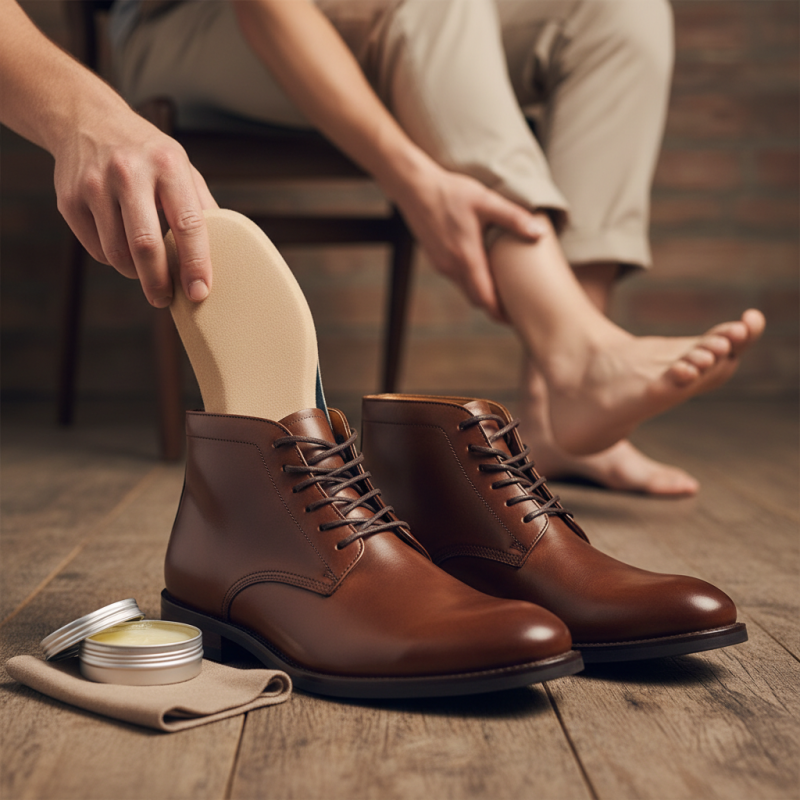
Heel pain from new leather boots can be a common issue. It often stems from the stiff material and lack of proper cushioning. The American Academy of Podiatric Sports Medicine reports that as many as 70% of people suffer from heel discomfort related to new footwear. This discomfort often arises from a poor fit, improper arch support, or inadequate heel cushioning.
When wearing new leather boots, the foot requires time to adapt. This break-in period can lead to friction and pressure on the heel, causing pain. In a study from the Journal of Foot and Ankle Research, nearly 60% of participants reported heel pain during the first few wears of new shoes. Ensuring the right fit is crucial. Boots that are too tight can exacerbate pain, while those too loose may lead to blisters.
Moreover, choosing the right socks can make a significant difference. Opt for breathable, moisture-wicking materials to reduce friction. Consider using heel pads or orthotics for additional cushioning. These products can help alleviate discomfort and promote a more comfortable experience. Reflect on your usual shoe choices and be attentive to how differently new boots feel. Ignoring early signs of discomfort may lead to long-term issues.
Heel pain from new leather boots can be a frustrating experience. Identifying symptoms is crucial for effective management. Common signs include sharp pain, sensitivity, and swelling near the heel. Research from the American Podiatric Medical Association states that nearly 1 in 4 Americans experience foot pain. This statistic highlights the prevalence of discomfort linked to ill-fitting footwear.
The impact of poorly designed boots can extend beyond mere discomfort. Inadequate support can lead to conditions such as plantar fasciitis or Achilles tendinitis. A study published in the Journal of Foot & Ankle Research revealed that over 30% of participants with heel pain attributed it to inappropriate footwear choices. Understanding how new boots fit and feel is key to preventing further issues.
Realizing that pain might develop over time is also important. If the boots cause discomfort after a few hours, it’s a warning sign. Avoiding the temptation to “break them in” without proper care can save you from long-term problems. Using cushioned insoles or adjusting laces can help alleviate pressure points. Paying attention to how your feet react to new footwear can lead to healthier choices.
Choosing the right fit is essential for preventing heel pain when breaking in new leather boots. Research shows that improper footwear contributes to over 70% of foot-related issues. Soft leather may look appealing but can cause more problems if not the right size. Experts recommend measuring your feet at the end of the day when they are swollen. This ensures you select a pair that accommodates natural foot size.
When trying on boots, consider wearing the same socks you plan to use. Walk around the store to assess comfort. Tight spots can develop into painful blisters. If you experience pinching or excessive pressure on your heels, reconsider your choice. Brands vary in sizing, so always check specific measurements for each pair.
To alleviate heel pain, start by wearing your new boots for short periods. Gradually increase wear time to allow them to conform to your feet. Use gel inserts or cushioned insoles for added comfort. Stretching your feet and calves regularly can also help. Take note of persistent discomfort; it might signal deeper fit issues. Address these concerns promptly to prevent long-term damage.
Breaking in new leather boots can be a challenging experience. Many people face heel pain due to the stiff materials used in quality leather. According to a 2022 survey by the American Podiatric Medical Association, nearly 70% of adults experience foot pain at some point. Most of this discomfort stems from poorly fitting footwear, especially when new.
To ease the breaking-in process, try wearing your boots for short periods. Start with 30 minutes indoors. Gradually increase the time. This method allows your feet to adjust without overwhelming them. Some experts recommend using thick socks or even two pairs to stretch the leather gently. Moisturizing the leather can also help. A small amount of leather conditioner can soften it, reducing the initial stiffness.
Research indicates that proper foot support is crucial. A 2021 report from the Journal of Foot and Ankle Research highlighted that supportive insoles can reduce heel pain significantly. However, not everyone gets relief immediately. If pain persists, reconsider the fit. Foot shape varies among individuals; what works for one may not work for another. Reflection on your specific needs can lead to better choices in the future.
| Tip | Description | Effectiveness |
|---|---|---|
| Wear Them at Home | Start by wearing your new boots at home for short periods. | High |
| Use Thick Socks | Wear thick socks to help stretch the leather gradually. | Medium |
| Apply Leather Conditioner | Use a leather conditioner to soften the material. | High |
| Adjust the Fit | Consider getting your boots adjusted by a professional. | High |
| Use Insoles | Insert cushioning insoles for better support. | High |
| Limit Wear Time | Initially limit wearing the boots to short outings. | Medium |
New leather boots can be beautiful but often bring discomfort. Heel pain is a common issue. To ease the discomfort, several home remedies can be effective.
Soaking your feet in warm water mixed with Epsom salt can provide immediate relief. The salt helps reduce inflammation and relax stiff muscles. Another easy method is to use a cold compress on the heels. This can numb the pain and reduce swelling. Additionally, consider using a moisturizing lotion. Look for ones that contain ingredients like shea butter or coconut oil, which soften the skin and can improve comfort.
Tools can also be helpful in preventing pain. Gel pads provide extra cushioning for your heels. They can make even the stiffest boots more bearable. Orthotic inserts specifically designed for heel pain are another good choice. These can offer essential arch support, making a vast difference. After wearing your new boots, try to elevate your feet. This practice promotes better blood flow and further alleviates discomfort. Remember, while these remedies can help, consulting with a healthcare professional is wise if pain persists.
: Proper boot selection prevents heel pain and reduces foot-related issues significantly.
Measure your feet at the end of the day when they are swollen for accurate sizing.
Wear the same socks you plan to use and walk around to assess comfort and fit.
Start wearing your new boots for short periods and gradually increase the time.
Soaking feet in warm water with Epsom salt can reduce inflammation and relax muscles.
Yes, gel pads and orthotic inserts offer extra cushioning and arch support for better comfort.
If discomfort continues, reflect on the fit and reconsider your choice of footwear.
Use a small amount of leather conditioner to soften the material and reduce stiffness.
Yes, nearly 70% of adults experience foot pain, often from poorly fitting footwear.
Yes, it's wise to see a healthcare professional if heel pain continues despite home remedies.
Heel pain from new leather boots can be a common concern for many individuals. This discomfort is often caused by the rigidity of the material, improper fit, or lack of adequate support. To understand why do my new leather boots hurt my heels, it's essential to identify the specific symptoms, including soreness, stiffness, and blisters. Choosing the right fit is crucial; ensuring that boots snugly accommodate your feet without excessive pressure can significantly reduce pain.
To alleviate heel pain, consider effective methods for breaking in your new boots gradually, allowing the leather to mold to your feet. Additionally, home remedies such as ice packs, cushioning insoles, and supportive bandages can provide relief from discomfort. Paying attention to these factors can lead to a more comfortable experience with your new leather boots.
