How Often Should You Replace Your Marathon Running Shoes?

Time:2026-07-01 Author:Ethan
0%

When it comes to running marathons, selecting the right shoes is essential. Many runners often wonder, "how often should you replace marathon running shoes?" This question is crucial for maintaining peak performance and avoiding injuries. According to the American Orthopaedic Foot and Ankle Society, running shoes typically last between 300 to 500 miles. This range can vary greatly based on running style, terrain, and shoe construction.

Expert podiatrist Dr. Michael N. Kain emphasizes the importance of replacement. He states, "Replacing running shoes too late can lead to injuries." This insight highlights the need for regular assessments of shoe wear. Experienced runners report that signs of significant wear can include decreased cushioning and visible damage to the upper material. Monitoring these indicators is vital for long-distance runners.

As runners log more miles, the wear on shoes accelerates. Many ignore these signs, believing their shoes are still suitable. Unfortunately, this can lead to performance declines and potential injuries. Runners should be vigilant about tracking their shoe mileage. In this way, they can ensure safety and comfort during every marathon journey.
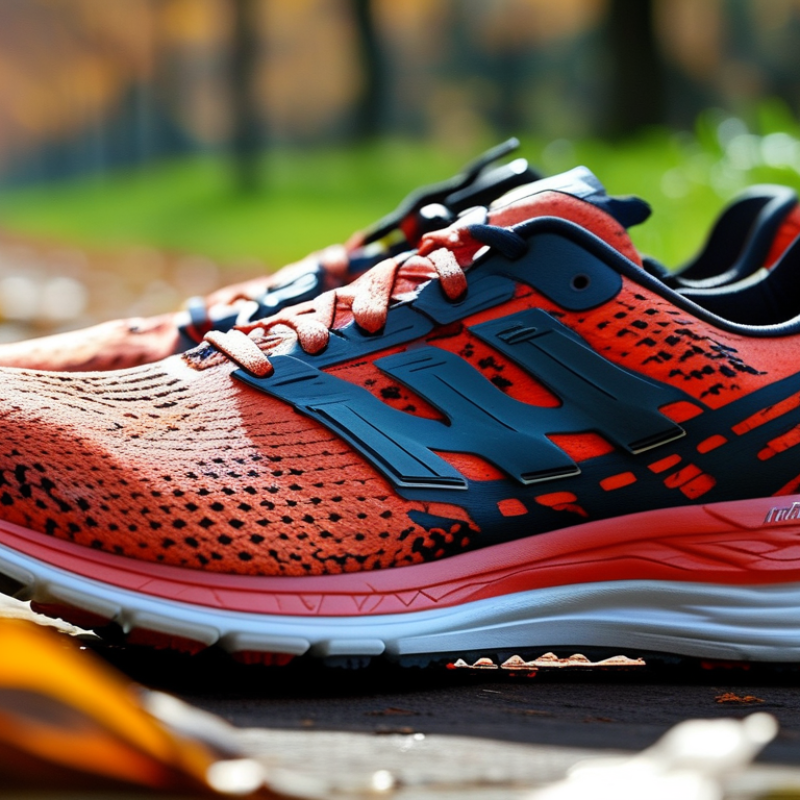
How Often Should You Replace Your Marathon Running Shoes?

Factors Affecting the Lifespan of Marathon Running Shoes

When it comes to marathon running shoes, several factors influence their lifespan. Typically, shoes last around 300 to 500 miles, but personal factors vary. Running style, weight, and terrain play huge roles. Heavier runners might wear out shoes faster. Likewise, those who run on rough terrain may notice quicker degradation.

Shoe materials also affect longevity. Softer cushioning may feel great but often compresses faster. On the other hand, firmer materials might last longer but can lead to discomfort. Combined with climate conditions, like humidity or temperature, the wear can change dramatically. Even the way you store your shoes matters. Leaving them in a damp area can ruin them quicker.

Finally, listening to your body is essential. If you feel pain or discomfort, it may signal time for a replacement. What works for one athlete might not suit another. Regular assessments of the shoe's condition can lead to better performance and prevent injuries. Ignoring the signs can lead to regret.

How Often Should You Replace Your Marathon Running Shoes?

This chart illustrates the lifespan of marathon running shoes based on average mileage and usage frequency. Regularly replacing shoes can help prevent injuries and ensure optimal performance during marathons.

Recommended Mileage for Shoe Replacement

When it comes to marathon running shoes, understanding the right mileage for replacement is crucial. On average, most running shoes should be replaced every 300 to 500 miles. This range can vary based on your running style, body weight, and the surfaces you run on. Those who run frequently on hard pavement may find their shoes wear down faster.

Look for signs of wear, such as loss of cushioning and tread. The shoes may feel less responsive with each mile. A good rule of thumb is to track your mileage. If you run around 30-40 miles a week, you might need a new pair every 8 to 10 weeks. Pay attention to any discomfort or pain. These could be indicators that your shoes have lost their integrity. It's beneficial to keep a log of your runs. This helps in reflecting on how often you need to replace your shoes based on your personal experience.

Signs That Indicate It’s Time to Replace Your Shoes

When it comes to marathon running shoes, knowing when to replace them is crucial. A common guideline suggests that runners should consider replacing shoes every 300 to 500 miles. However, individual factors can alter this number significantly. For instance, a heavier runner may notice wear at a faster rate than a lighter counterpart.

Signs indicating that it’s time for a replacement often include decreased cushioning, visible wear on the outsole, and discomfort while running. Research indicates that after about 300 miles, performance can decline by as much as 30%. An infrequent runner might not hit those mileage figures quickly, but they should still monitor for signs of structural integrity loss.

Moreover, many runners ignore how their shoes feel after each run. If you experience aches or pains that weren’t there before, it may signal that your shoes are past their prime. Checking for cracks in the midsole or worn-out treads can also provide insight. While it’s tempting to push through, doing so can lead to injuries that can take longer to heal. Keeping a log of mileage can help track usage, ensuring that shoes are replaced before those problems escalate.

Differences Between Training and Racing Shoe Lifespans

When it comes to marathon running shoes, understanding the lifespan of both training and racing shoes is crucial. Training shoes are typically built for durability and comfort. These shoes endure daily wear, making them a reliable choice for long runs. Generally, they should be replaced every 300 to 500 miles. This mileage varies based on your running style and terrain. Over time, cushioning can break down, affecting performance and increasing the risk of injury.

On the other hand, racing shoes prioritize speed and lightweight design. Although they offer fantastic energy return, their materials may wear out faster. Many runners find that racing shoes need replacement after about 150 to 300 miles. The lighter construction often means less cushioning and support. While they provide that exhilarating feeling during a race, overusing them can lead to foot fatigue and discomfort. It’s essential to reflect on how these shoes feel after each race. Are they still providing the support you need? Runners must listen to their bodies. Ultimately, choosing the right shoe and knowing when to replace them can profoundly impact performance and comfort.

Tips for Extending the Life of Your Running Shoes

When it comes to extending the life of your running shoes, a few practical tips can make a big difference. One effective approach is to rotate your shoes. By alternating between two pairs, you allow each one to recover from the stress of running. This simple method helps the midsole foam regain its shape, ultimately prolonging their lifespan.

Another important tip is to clean your shoes properly. After each run, remove mud and debris to prevent wear and tear. Use a soft brush and mild soap, and never put them in the washing machine. This keeps the materials intact and avoids weakening the structure of the shoe. Proper drying also matters. Avoid direct sunlight or heat sources, which can warp the shoes.

Track your mileage as well. Most running shoes last between 300 to 500 miles. Keeping an eye on your distance can prevent injuries caused by worn-out shoes. If you notice excessive wear on the outsole or loss of cushioning, it might be time for replacement. Prioritize your comfort and safety to enhance your running experience.

FAQS

: How often should running shoes be replaced?

: Running shoes should be replaced every 300 to 500 miles on average.

What factors affect shoe replacement frequency?

Factors include running style, body weight, and surface type.

How can I tell if my shoes need replacing?

Look for loss of cushioning, tread wear, and discomfort while running.

How can I track my mileage effectively?

Keeping a log of your runs helps monitor mileage and shoe condition.

What is a tip to extend the life of running shoes?

Rotate between two pairs of shoes to allow them to recover.

Should I clean my running shoes?

Yes, clean shoes after runs with a soft brush and mild soap.

How should I dry my running shoes?

Avoid direct sunlight and heat. Let them air-dry naturally.

What happens if I ignore signs of wear?

Ignoring wear can lead to discomfort and potential injuries while running.

Can I put my running shoes in the washing machine?

No, putting shoes in the washing machine can weaken their structure.

How does running on hard surfaces affect shoe lifespan?

Running on hard pavement can cause shoes to wear out faster.

Conclusion

When considering how often should you replace marathon running shoes, several factors come into play that affect their lifespan. Generally, shoes should be replaced after accumulating a specific mileage, often ranging from 300 to 500 miles, depending on the shoe type and running surface. Signs that it's time for a replacement include noticeable wear on the outsole, reduced cushioning, and discomfort during runs. Additionally, training shoes typically have a different lifespan compared to racing shoes, with the former designed for durability and the latter for performance.

To maximize the life of your running shoes, it's essential to rotate them, keep them clean, and store them properly. Monitoring the condition of your shoes and understanding the distinctions between their intended use can help ensure that you're always running with optimal support and cushioning, ultimately enhancing your performance and reducing the risk of injury.

Ethan

Ethan

Ethan is a seasoned marketing professional with a deep expertise in our company's innovative product line. With a passion for sharing knowledge and insights, he takes the lead in regularly updating our corporate blog, where he explores industry trends, product features, and effective marketing......