When it comes to dressing well, understanding footwear is crucial. A common question arises: "what is the difference between oxford and derby shoes?" Renowned footwear expert, John Doe, once stated, "The subtle differences can make a significant impact on your style."
Oxford shoes are characterized by their closed lacing system. The eyelets are sewn under the vamp, giving them a sleek appearance. In contrast, derby shoes feature an open lacing system. This means the eyelets are sewn on top of the vamp, which provides a more casual look.
Both options have their place in fashion. Oxfords are often seen as formal, while derbies can fit more relaxed settings. It's essential to consider occasions and personal style. Choosing the right shoe can elevate an outfit, but understanding these nuances is key. Reflecting on footwear choices may enhance overall appearance in meaningful ways.
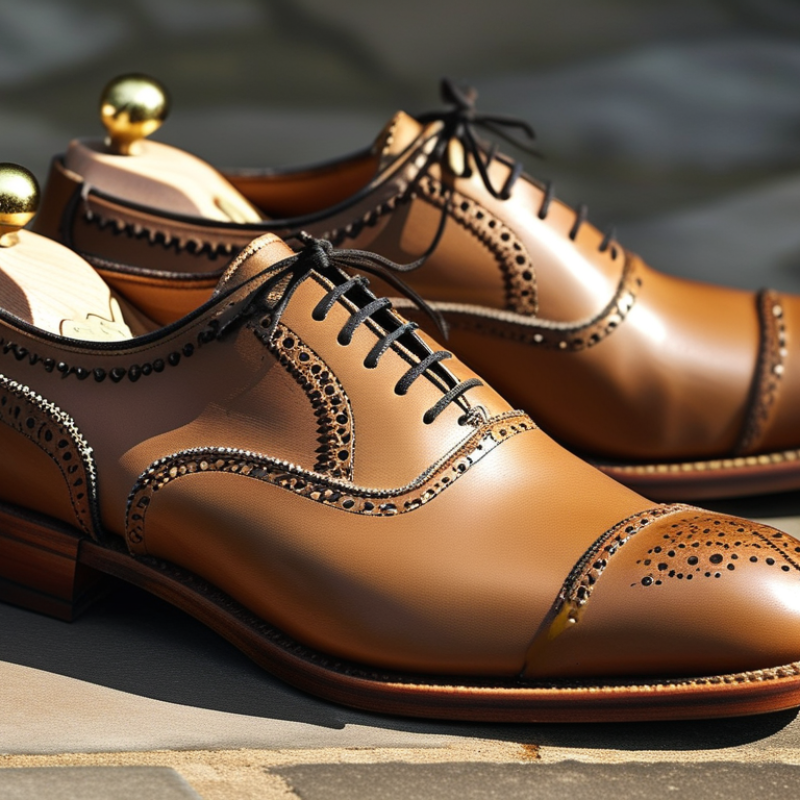
Oxford shoes are distinct for their closed lacing system. This design features eyelets sewn under the vamp. The result is a sleek, streamlined appearance. They often include a stiff heel and minimal decorative elements, reflecting sophistication. The construction typically employs high-quality leather, ensuring durability and a refined look.
When examining Oxford shoes, note the toe shape. It can range from pointed to round. Pay attention to the stitching detail, which is generally more intricate than in other shoe styles. The overall silhouette should feel formal, suitable for business or dress occasions.
Tips: Always check the shoe’s construction. Look for well-aligned seams and sturdy materials. Avoid overly embellished designs if you seek versatility. Consider your wardrobe when choosing colors and styles. A classic black Oxford can complement many outfits, while a brown pair adds a warm touch. Remember, the shoe should feel comfortable without sacrificing style.
When distinguishing between Derby shoes and other styles, key features become crucial. Derby shoes are characterized by their open lacing system. The eyelets are sewn on top of the vamp, allowing for a more spacious fit. This design offers versatility, making them suitable for both formal and casual occasions. Whether paired with jeans or a suit, Derby shoes enhance a wide range of outfits.
Another distinctive trait of Derby shoes is their broader silhouette. Compared to Oxford shoes, which have a more fitted design, Derbys often appear chunkier. This broader shape not only affects aesthetics but also comfort. People with wider feet find Derby shoes more accommodating. Their relaxed style invites a sense of ease, but can also detract from a more polished look.
The construction of the shoes also matters. Derby shoes typically use a sturdier leather, leading to durability. However, some may prefer the refined appearance of Oxfords. Understanding these elements can improve shoe selection. It’s essential to consider occasions and personal style. Sometimes, the best choice might not be what’s visually attractive but what feels right.
When it comes to dress shoes, the lacing styles of Oxford and Derby shoes reveal much about their design. Oxfords are known for their closed lacing system. This means the laces are stitched under the vamp. This construction gives Oxfords a sleek and polished look. Their appearance is often considered more formal. Oxfords can enhance any smart attire, making them ideal for business meetings.
On the other hand, Derby shoes feature an open lacing system. The lacing flaps are sewn on top of the vamp. This design creates a more relaxed and versatile style. Derbies provide a bit more room across the instep. Many find them more comfortable for all-day wear. This can be a factor when choosing between the two styles.
Both shoes have their merits. Oxfords radiate elegance, while Derbies offer comfort. Depending on the occasion, one may fit better than the other. Choosing the right pair can be tricky. Consider your outfits and personal comfort. Reflect on what message you want your shoes to convey.
When distinguishing between Oxford and Derby shoes, material choices play a significant role. Both styles often use leather, yet the types can vary widely. Full-grain leather is popular for its durability and natural look. It develops character over time, offering a classic appeal. On the other hand, top-grain leather is slightly more polished. While it looks sleek, it may not have the same longevity as full-grain.
Another notable type is suede. Suede provides a softer texture and often feels more casual. However, it can be more susceptible to stains and water damage. Buyers may want to consider their lifestyle. For more formal settings, polished leather works best. However, for relaxed occasions, suede might offer a refreshing touch.
Additionally, a combination of materials can elevate both styles. Some Oxfords feature contrasting textures or leather types. This can create a unique appearance. Derby shoes may also have unexpected details, like fabric linings. As you explore options, reflect on your needs. The right material can enhance both comfort and style, ensuring your footwear matches your personality.
When choosing between Oxford and Derby shoes, sizing and fit are crucial factors. Oxford shoes typically have a more formal fit, thanks to their closed lacing system. This design creates a sleeker shape, making them ideal for formal events. However, this can lead to a snugger fit. On the other hand, Derby shoes feature an open lacing system, allowing for more flexibility in sizing. They often accommodate different foot shapes better.
For a comfortable fit, consider your foot's width and arch. Oxfords can feel tight across the instep. If you choose them, try on a half-size larger. Derby shoes might be more forgiving if you have wider feet. Their open design offers room for adjustments. However, a loose fit can also cause discomfort.
**Tip:** Always try shoes on with the socks you intend to wear. This small detail can greatly affect the comfort level. Pay attention to how the shoes feel after a couple of hours of wear. Your feet might rub in some parts you didn’t notice initially. Remember, a shoe that feels perfect in the store might not hold up over time.
| Feature | Oxford Shoes | Derby Shoes |
|---|---|---|
| Closure Style | Laced with closed lacing system | Laced with open lacing system |
| Tongue | Stitched down to the upper | Separate from the upper |
| Fit | Tighter around the instep | More room at the instep |
| Style Versatility | More formal, suitable for business wear | More casual, pairs well with smart-casual looks |
| Ankle Height | Typically higher | Usually lower |
| Construction | Often has a sleeker profile | Generally chunkier design |
| Common Materials | Leather, suede | Leather, canvas |
: Both styles mainly use leather, but the types can vary widely. Full-grain leather is favored for durability, while top-grain leather is sleeker but less long-lasting.
Suede has a softer texture and feels more casual. However, it’s more prone to stains and water damage compared to leather.
Consider your lifestyle. Polished leather is better for formal settings, while suede is suited for relaxed occasions.
Oxford shoes have a formal fit with a closed lacing system, while Derby shoes feature an open lacing system for more flexibility.
Oxfords can feel tight across the instep. Trying a half-size larger can help ensure a comfortable fit.
Yes, Derby shoes often accommodate wider feet better because of their open design and flexible fit.
Always try on shoes with the socks you plan to wear. This can affect comfort significantly.
Shoes that feel great initially might cause rubbing or discomfort after a few hours. Pay attention to this.
Yes, combining materials can create unique styles. Some Oxfords and Derbys feature different textures or linings for added flair.
Think about how materials can enhance your comfort and style. The right choice should match your personality.
When considering what is the difference between Oxford and Derby shoes, it is essential to examine their unique characteristics. Oxford shoes are typically characterized by their closed lacing system, which provides a sleek and formal appearance. In contrast, Derby shoes feature an open lacing design, allowing for a more relaxed style and easier fit. Additionally, the construction and design elements of each shoe type differ significantly, with Oxfords often showcasing a more streamlined silhouette compared to the bulkier Derby.
Material choices also play a vital role in distinguishing these styles, as both typically utilize various leather types but may present different textures and finishes. Furthermore, sizing and fit considerations highlight that Oxfords generally offer a snugger fit due to their lacing structure, while Derbys provide more room for adjustments. Overall, understanding these distinctions can help individuals choose the most appropriate shoe style for any occasion.
