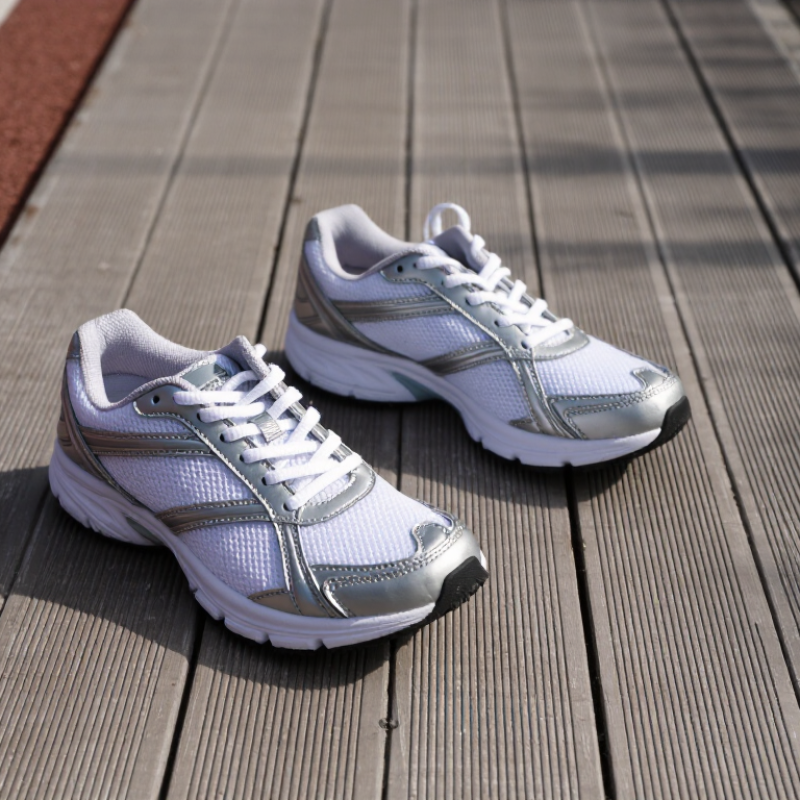
How Long Do Everyday Walking Sneakers Last?

Time:2026-10-01 Author:Sophia
0%

How Long Do Everyday Walking Sneakers Last?

Many walkers ask, “what is the lifespan of everyday walking sneakers?” The honest answer depends on distance, body weight, walking surfaces, shoe quality, and maintenance. Most everyday walking sneakers remain supportive for about 300 to 500 miles. For a person walking three miles daily, that may equal four to six months. Occasional walkers may use the same pair for nearly a year.

Dr. Geoffrey Gray, a podiatrist and footwear researcher, explains, “A shoe’s lifespan is not a calendar date; it is a performance question.” His point matters because visible damage does not always reveal hidden wear. A sneaker can look clean while its foam feels flat. I have noticed this after long walks on concrete: the outsole still looked acceptable, but my heels felt unusually heavy afterward.

Watch for warning signs. The midsole may develop permanent creases. The heel can lean inward or outward. Tread patterns may become smooth, especially under the heel and forefoot. New knee, arch, or ankle discomfort also deserves attention. These clues can appear before the upper tears.

Still, mileage is only a guide. Someone walking on rough pavement may wear shoes faster than someone using indoor tracks. Rotating two pairs can allow foam to recover between walks. Drying sneakers naturally also helps, although it will not restore compressed cushioning.

This topic requires some humility. Personal comfort is useful, but it can be misleading. A professional fitting may reveal problems that casual inspection misses. Your safest replacement decision combines mileage, visible wear, walking comfort, and honest attention to changing body signals.

How Long Do Everyday Walking Sneakers Last?

What Counts as an Everyday Walking Sneaker in Industry Terms

How Long Do Everyday Walking Sneakers Last?

In footwear industry terms, an everyday walking sneaker is usually a lifestyle or casual athletic shoe built for repeated, low-impact use. It is not always a technical walking shoe. Its design may include a flexible forefoot, moderate cushioning, a rubber or foam outsole, and an upper made for daily comfort. The term describes intended use, not a guaranteed lifespan. Walking distance, pavement, body weight, gait, weather, and storage conditions all affect wear.

Professionals often inspect the midsole, heel counter, outsole, and upper instead of judging age alone. A compressed midsole may feel flat, while uneven heel wear can suggest altered stride mechanics. Many everyday sneakers remain comfortable for several hundred walking miles, but that figure is only a working estimate. Real testing is messier. Two identical pairs can age differently within weeks. Industry labels also overlap, so “walking sneaker” is not a perfectly controlled category.

Tips: Rotate two pairs when possible. Check whether the outsole has smooth patches or exposed foam. Press the midsole and compare both shoes. Watch for heel collapse, loose stitching, or new foot soreness. Keep sneakers dry, but avoid high heat, which can weaken adhesives and deform cushioning. If discomfort appears before visible damage, treat that warning seriously. A clean appearance proves very little.

Industry Guidance: A Typical Lifespan of 300–500 Walking Miles

How Long Do Everyday Walking Sneakers Last?

A practical industry benchmark is 300–500 walking miles, or roughly 483–805 kilometers. Guidance from the American Academy of Podiatric Sports Medicine places athletic-shoe replacement within this range, depending on use and shoe condition. For a person walking four miles daily, that equals about four to six months. A lighter walker may use the same pair for much longer.

Mileage is only one measure. The American College of Sports Medicine has noted that cushioning and structural support gradually decline with repeated loading, even when the upper still looks acceptable. Pay attention to flattened foam, uneven outsole wear, heel movement, or new foot soreness. Place the shoes on a flat table. If one side tilts noticeably, the midsole may be compressed. That small check can reveal more than a clean-looking surface.

Real-life wear is inconsistent. Wet pavement, heavy body weight, stairs, and poor storage can shorten the 300–500-mile window. I have also seen walkers replace shoes too early because of dirt, while ignoring a collapsed heel. The mileage range is useful, but it is not a guarantee. A simple walking log, paired with monthly inspection, provides more reliable guidance than appearance alone. Always compare both shoes, since uneven wear often develops quietly.

How Walking Frequency Converts Mileage into Months of Use

How Long Do Everyday Walking Sneakers Last?

Walking sneakers rarely fail by calendar date alone. Mileage matters more. The American Academy of Podiatric Sports Medicine places many athletic shoes near 300–500 miles. Its guidance also stresses fit, compression, and visible wear. The American College of Sports Medicine links worn footwear with reduced support and changing movement patterns.

Consider a simple example. A two-mile walk, four times weekly, creates eight miles weekly. That equals roughly 35 miles monthly. At that pace, 300–500 miles becomes about nine to fourteen months of use. Walking three miles daily changes the result sharply. You may reach the same range in three to six months. Hard sidewalks, heavy loads, and uneven gait can shorten it further. My estimate is useful, but imperfect.

Tips: Track distance in a phone note. Inspect the heel every month. Replace shoes when the outsole looks smooth, the midsole stays visibly compressed, or your feet feel unusually tired. Pain is not a mileage requirement. If your route includes hills, add a cautious adjustment. A 2024 independent footwear durability review from RunRepeat also shows that materials can vary substantially between models, so mileage should guide inspection, not replace it. Rotate pairs when possible. I sometimes forget this myself. The calendar looks reassuring, while the foam quietly changes.

How Long Do Everyday Walking Sneakers Last?

How Walking Frequency Converts Mileage into Months of Use

This chart estimates replacement timing using a general walking-sneaker lifespan of 300–500 miles. It assumes each walking session covers about 3 miles and uses an average of 4.345 weeks per month. More frequent walking converts the same mileage into fewer months of use.

Wear Indicators: Outsole Loss, Midsole Compression, and Upper Damage

Everyday walking sneakers often last 500 to 800 kilometers, but mileage is only a rough guide. Pavement, body weight, walking style, and weather change that range. I check the outsole before trusting the calendar. Look for flattened grooves, smooth heel patches, or rubber worn close to the foam. A shoe can still look clean and feel unsafe on wet tiles.

Midsole compression is less obvious. Press the foam beside a newer pair, if available. A tired midsole feels unusually flat, stiff, or lopsided. Creases that remain deeply folded can show repeated loading. Pay attention to new knee, arch, or heel discomfort after normal walks. These symptoms do not prove the shoe caused the problem, but they deserve attention. I once blamed a sore ankle on a long route; the real issue was a collapsed heel on one shoe.

Upper damage can end a shoe’s useful life early. Check torn mesh, stretched eyelets, separated seams, and a heel counter that folds inward. Your toes should not push through thin fabric. A loose upper lets the foot slide, even when the outsole has plenty of tread. Rotate two pairs when possible, and record walking distance for a few weeks. My estimate may still be wrong, especially when surfaces vary. Replace the shoes when several wear signs appear together, not just when the tread disappears.

How Long Do Everyday Walking Sneakers Last? - Wear Indicators: Outsole Loss, Midsole Compression, and Upper Damage

Wear Area What to Inspect Typical Early Wear Advanced Wear Indicator Recommended Action
Outsole rubber Check the heel and forefoot tread for flattening, thinning, exposed foam, or uneven wear. Tread grooves look shallower, especially on the outer heel or below the big toe. Rubber is worn smooth, the midsole is visible, or the shoe rocks because of uneven wear. Replace the pair when traction is reduced, wear is strongly uneven, or the foam is exposed.
Midsole cushioning Look for permanent creases, flattened foam, or a noticeable difference in height between the two shoes. The foam develops small compression lines and feels less springy than when new. The shoe feels flat, hard, unstable, or causes new foot, knee, hip, or back discomfort. Replace the shoes if comfort or stability does not return after rest or when alternating pairs.
Heel counter Press the heel area and check whether it still holds the heel securely. The collar softens or the heel begins to slide slightly during walking. The heel counter is collapsed, cracked, or cannot keep the heel centered. Replace the shoes because poor heel control can increase rubbing and reduce stability.
Upper material Inspect the toe box, flex points, side panels, and areas around the eyelets. Fabric creasing, light scuffing, or minor stretching appears without loss of support. The upper has holes, torn seams, separated overlays, or exposes the foot. Replace the pair when damage affects fit, protection, breathability, or structural support.
Outsole bonding Check the edge where the outsole meets the upper and midsole. Small gaps or lifting appear at the toe or along the sidewall. A section of the sole peels away or bends independently from the rest of the shoe. Stop using the shoes for regular walking and replace them if bonding cannot be repaired securely.
Footbed and insole Look for permanent indentations, wrinkling, odor retention, and loss of shape. The insole becomes compressed under the heel or forefoot. The foot rolls or slides because the insole no longer supports the foot evenly. Replace the insole if the shoe structure is sound; replace the shoes if the problem remains.
Flex and torsion Compare how both shoes bend and twist, and check whether they still flex near the forefoot. The shoes feel less flexible or begin bending at an unusual point. One shoe twists or collapses much more than the other during a normal step. Replace the pair when asymmetry affects gait, balance, or walking comfort.
Practical lifespan guide: Everyday walking sneakers commonly last about 300–500 miles (480–800 km), or roughly 6–12 months for frequent use. This is only a general range; body weight, walking surface, gait, climate, shoe construction, and rotation between pairs can shorten or extend usable life. Replace shoes based on visible damage, reduced cushioning, poor traction, or new discomfort rather than mileage alone.

How Body Weight, Terrain, and Shoe Rotation Affect Sneaker Longevity

How Long Do Everyday Walking Sneakers Last?

Everyday walking sneakers often last about 300 to 500 miles, but mileage is only a rough guide. I once replaced a pair too early because the uppers looked clean. The midsole had already flattened, and my knees noticed it first. Body weight, walking style, and daily distance can change this timeline. A heavier walker may compress cushioning sooner, especially with a firm heel strike. That does not mean weight alone decides durability. Foot shape, pace, and shoe construction matter too.

Terrain creates another clear difference. Smooth sidewalks usually cause slower wear than gravel paths, steep hills, or rough concrete. Check the outsole near the heel and forefoot. Uneven grooves, exposed foam, or a slipping heel suggest declining support. Walking in rain can also weaken materials when shoes stay damp. Let them dry naturally; direct heat may damage adhesives. I am not always consistent with this advice, and damp shoes have definitely shortened some of my pairs.

Tips: Rotate two pairs when possible. A full day of rest lets foam recover and moisture escape. Track discomfort, not just distance. Compare the sole pattern every few weeks. If pain appears repeatedly, stop blaming the shoes alone and review your walking form. Replace sneakers when cushioning feels thin, the heel tilts, or your feet feel unusually tired after normal walks.

FAQS

What is an everyday walking sneaker?

It is a casual athletic shoe designed for repeated, low-impact walking. It usually has moderate cushioning, a flexible forefoot, and a rubber or foam outsole. It is not always a technical walking shoe.

How long do everyday walking sneakers usually last?

A practical estimate is 300–500 walking miles, or about 483–805 kilometers. A person walking four miles daily may reach that range within four to six months. This is only a guide.

What affects a sneaker’s lifespan?

Walking distance, pavement, body weight, gait, weather, and storage all matter. Stairs and wet surfaces can increase wear. Two identical pairs may age differently.

How can I tell when the midsole is worn?

Press both midsoles and compare their firmness. Flattened foam may feel unusually firm or flat. Place the shoes on a table and check for tilting.

Which outsole signs suggest replacement?

Look for smooth patches, deep uneven wear, or exposed foam. A worn heel can change how your foot meets the ground. Looks can mislead.

Can discomfort indicate worn sneakers?

Yes. New foot soreness may appear before visible damage. Heel movement, reduced cushioning, or a changed stride can also signal decline. Do not ignore persistent discomfort.

Should I rotate between two pairs?

Rotating two pairs can reduce continuous loading on one pair. It also gives each pair time to dry naturally. Keep them dry.

How should everyday walking sneakers be stored?

Store them in a cool, dry place away from high heat. Heat can weaken adhesives and deform cushioning. Avoid judging condition by cleanliness alone.

Is mileage more reliable than appearance?

Mileage helps, but it cannot predict every replacement date. A monthly inspection reveals problems that a clean upper may hide. My estimate may be imperfect. Compare both shoes.

Conclusion

Everyday walking sneakers are designed for regular, low- to moderate-impact use, such as commuting, shopping, casual errands, and neighborhood walks, rather than intensive running or specialized sports. So, what is the lifespan of everyday walking sneakers? A practical industry guideline is approximately 300–500 walking miles, although the actual period of use depends on how often they are worn. Someone walking a few miles several times a week may get many months of service, while a daily long-distance walker may need replacement much sooner.

The clearest replacement signs are noticeable outsole wear, reduced traction, compressed or uneven midsoles, persistent loss of cushioning, and damaged uppers around the toes, sides, or heel. Body weight, rough terrain, weather conditions, walking style, and frequent exposure to hard surfaces can accelerate wear. Rotating between two pairs can allow each pair to recover and dry between uses, potentially extending comfort and durability, but rotation cannot fully prevent materials from aging.

Sophia

Sophia

Sophia is a dedicated marketing professional with an exceptional depth of knowledge about her company's products and services. With a keen understanding of market trends and customer needs, she crafts insightful blog posts that not only inform but also engage readers, enriching the company’s online......