What is the Difference Between Running and Walking Shoes?

Time:2026-06-07 Author:Charlotte
0%

When considering footwear for physical activity, many people ask, “what is the difference between running and walking shoes?” Both types of shoes serve distinct functions that cater to different biomechanics. Running shoes typically feature a more cushioned midsole to absorb impact. A study conducted by the American Orthopaedic Foot & Ankle Society reported that 90% of runners experience injuries related to improper footwear.

On the other hand, walking shoes are designed to provide greater support for the foot's natural motion. They often have a stiffer sole and less cushioning compared to running shoes. The footwear industry has seen a significant shift in consumer choices, with reports indicating that sales of walking shoes have surged by 15% over the last five years. This rise points to a growing awareness of foot health and the importance of selecting the right shoe type.

Yet, many still wear the wrong shoes for their activities, which may lead to discomfort and long-term issues. As we delve further into this topic, understanding these differences becomes crucial for both casual walkers and avid runners alike.
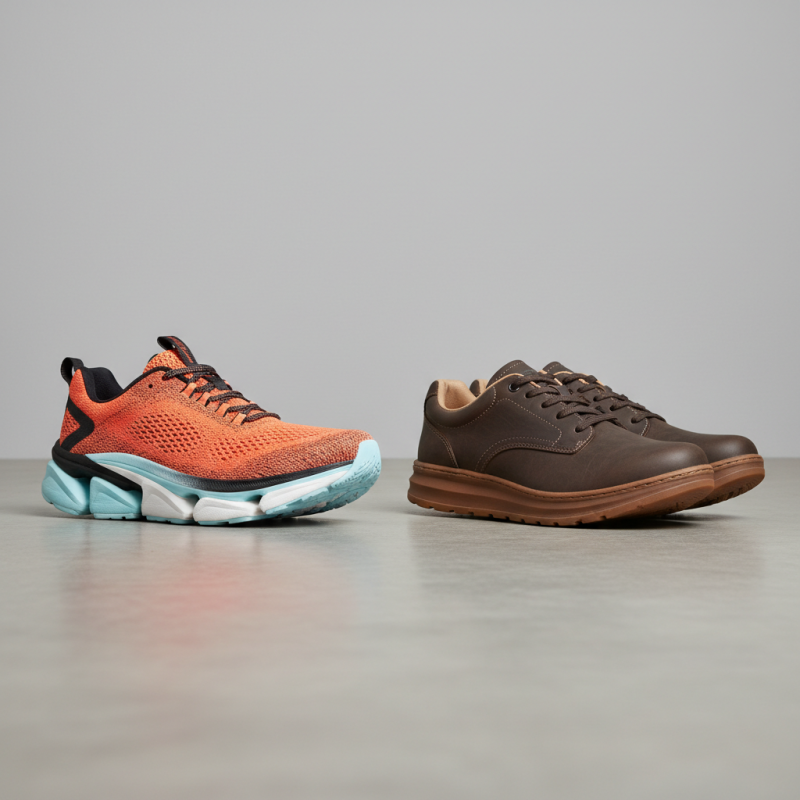
What is the Difference Between Running and Walking Shoes?

Types of Running and Walking Shoes: An Overview

When choosing between running and walking shoes, understanding their specific features is essential. Running shoes are designed for high-impact activities. They often have more cushioning in the heel and a little more flexibility in the forefoot. This helps absorb shock and allows for a natural foot movement during a run. Walking shoes, on the other hand, offer a flatter sole. They are more structured to provide support and stability for the walking motion.

Tips for finding the right shoe include trying them on at the end of the day. Your feet may swell, affecting the fit. Ensure there's a thumb's width of space in front of your toes. This room is crucial, especially if you plan to wear thicker socks.

Consider the materials used in the shoes. Breathable fabrics can help keep your feet cool during long walks or runs. Durability is vital too. Examine the sole material. Rubber soles usually provide good traction. Remember, the style may catch your eye, but comfort should be your priority. Reflect on your usage patterns. If you plan to walk or run on different surfaces, look for shoes that can adapt accordingly.

Key Features of Walking Shoes Compared to Running Shoes

Walking shoes and running shoes serve distinct purposes. Walking involves a different gait than running, which impacts shoe design. Walking shoes generally emphasize support and cushioning for a more stable stride. They often feature a broader toe box, allowing for foot expansion during movement. This design helps reduce pressure on the joints.

In contrast, running shoes prioritize responsiveness. They often have more cushioning in the heel to absorb impact during each stride. This design helps runners feel lighter on their feet. Many running shoes also include a firmer midsole to enhance energy return when pushing off the ground. The flexibility in running shoes allows for dynamic movements, which walking shoes might lack.

Choosing the right shoe can be perplexing. Misguided selections may lead to discomfort or injury. It is crucial to understand the nuances in shoe features. Paying attention to these details can lead to a better experience while walking or running. The right shoe can truly make a difference in performance and comfort.

Comparison of Key Features Between Running Shoes and Walking Shoes

Understanding the Cushioning Differences in Shoes

When it comes to footwear, cushioning plays a crucial role in performance and comfort. Running shoes typically offer more cushioning than walking shoes. This is due to the needs of runners, who generate more impact with each stride. The added padding helps absorb shock, reducing stress on joints.

Walking shoes often have less cushioning. This is intentional, as walkers benefit from a firmer shoe for better ground contact. A firm shoe allows for better stability during a leisurely stroll, which is essential for maintaining balance.

Tips: Always try on shoes. Walk around the store to test comfort levels. Pay attention to how the shoes feel on uneven surfaces. Remember, the right shoe can prevent injuries. If you experience discomfort, reflect on your choice. You may need more or less cushioning based on your specific activities. Each foot is unique, so listen to your body.

Heel Drop and Its Impact on Walking vs. Running

When choosing between running and walking shoes, heel drop is a key factor. Heel drop refers to the difference in height between the heel and toe of the shoe. Running shoes typically have a higher heel drop, providing cushioning for the landing phase of a run. This can be beneficial for runners who heel-strike, as it helps absorb impact. On the other hand, walking shoes often feature a lower heel drop, promoting a more natural foot strike. This encourages a rolling motion that is essential for efficient walking.

Understanding heel drop can enhance your experience. If you’re transitioning from walking to running, consider gradually adjusting to a higher heel drop. This can prevent injuries but be aware of your body’s response. Pay attention to any discomfort, especially if your feet are used to a certain type of shoe.

Here’s a tip: When trying on shoes, ensure you have enough room in the toe box. Your toes should not feel cramped, especially when walking or running. Another tip is to test the shoes on a hard surface before making a purchase. This can give you a better idea of how the shoe performs. Remember, the right shoe should feel comfortable and supportive, regardless of its specific drop measurement.

Choosing the Right Shoe Based on Activity Level

Choosing the right shoe can greatly affect your comfort while being active. Walking shoes and running shoes have distinct features tailored for their purposes. Walking shoes often have a flexible sole to support the heel-to-toe movement of walking. They usually offer more cushioning in the heel, as this is the initial point of contact.

In contrast, running shoes have a supportive structure designed for stability during a more vigorous activity. They tend to be lighter, enabling more speed. The sole is less flexible, offering firm support to absorb impact while running. However, some runners prefer shoes with more flexibility, which can sometimes lead to discomfort if the shoe doesn't match their running style.

Fit matters too. Many people overlook the importance of trying on shoes at the end of the day when their feet are slightly swollen. This can lead to an improper fit. Poor-fitting shoes can cause blisters or long-term foot issues. Reflecting on how shoes impact performance and comfort is essential for anyone looking to improve their activity level.

FAQS

: What is the main difference between walking shoes and running shoes?

: Walking shoes focus on support and cushioning. Running shoes prioritize responsiveness and impact absorption.

Why do walking shoes have a broader toe box?

A wider toe box allows for foot expansion during walking, reducing pressure on joints and enhancing comfort.

How do running shoes support a more vigorous activity?

Running shoes have a firmer midsole and lighter weight, providing stability and energy return during each stride.

What can happen if the wrong shoe is selected?

Choosing the wrong shoes may lead to discomfort, injury, or long-term foot issues.

When is the best time to try on shoes for a proper fit?

It's best to try shoes at the end of the day when feet are slightly swollen for an accurate fit.

Why is flexibility important in a walking shoe?

Flexibility in walking shoes supports the heel-to-toe movement, offering a comfortable walking experience.

Can running shoes be too flexible?

Yes, too much flexibility in running shoes can lead to discomfort if it doesn't match the runner's style.

How can shoes affect performance?

Proper shoes enhance comfort, reduce injury risk, and improve overall performance in physical activities.

What should one reflect on when choosing shoes?

It’s important to consider how the shoes impact both performance and comfort during activities.

Is it possible to face issues due to shoe fit?

Yes, poor-fitting shoes can cause blisters or more serious foot issues, highlighting the need for the right fit.

Conclusion

When considering what is the difference between running and walking shoes, it's essential to understand the various types designed for each activity. Running shoes are generally built for forward motion, featuring lightweight materials and enhanced cushioning to absorb impact. In contrast, walking shoes offer a more rigid structure, built for stability and support, catering to the natural foot motion during walking.

Key features that differentiate these shoes include their cushioning, which in running shoes is typically softer to accommodate more intense impacts, while walking shoes have firmer cushioning for better support. Additionally, heel drop—the difference in height between the heel and the toe—affects how each type of shoe performs, impacting stride and comfort. Ultimately, choosing the right shoe depends on your activity level, ensuring you have the appropriate footwear to support your exercise routine.

Charlotte

Charlotte

Charlotte is a seasoned marketing professional with a deep understanding of the company's portfolio and a passion for elevating its presence in the market. With a keen eye for detail and a commitment to excellence, she ensures that our professional blog is regularly updated with insightful articles......