How to Choose the Best Barefoot Shoes for Beginners

Time:2026-09-26 Author:Oliver
0%

Choosing your first pair of barefoot shoes can feel surprisingly complicated. Thin soles, wide toe boxes, flexible uppers, and minimal cushioning all change how your feet move. For beginners, the right choice is not simply the shoe with the flattest sole. Comfort, fit, walking habits, and gradual adaptation matter more.

This guide explains how to choose barefoot shoes for beginners using practical, evidence-informed considerations. A well-fitting shoe should let your toes spread naturally without squeezing the sides. Your heel should stay secure when you walk. The sole should bend near the toes, while still protecting you from sharp stones and rough pavement. I have found that trying shoes indoors first reveals pressure points before a longer walk. That small step can prevent unnecessary discomfort.

Your current footwear also matters. Someone moving from thick, supportive trainers may need several weeks to adapt. Start with short walks on smooth surfaces. Notice calf tightness, arch fatigue, or unusual soreness. Do not treat discomfort as proof of progress. Sometimes, it signals that your transition is too fast. This guide will compare materials, sizing, sole thickness, and everyday use, while recognizing that no single shoe suits every foot. Personal experience is valuable, but it should be balanced with careful fitting advice and guidance from a qualified healthcare professional when pain continues. Mistakes are possible, even with careful research. The goal is steady, informed progress rather than an extreme change overnight.
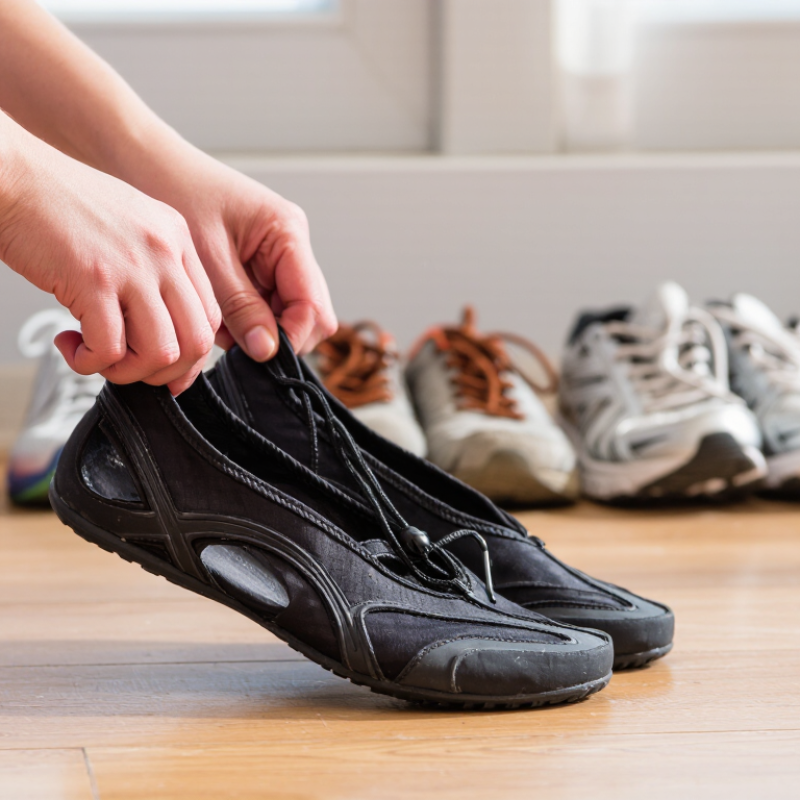
How to Choose the Best Barefoot Shoes for Beginners

Understanding the Core Features of Barefoot Shoes

Barefoot shoes are defined by what they remove: a raised heel, thick cushioning, and stiff support. Look for a level sole, a flexible forefoot, low stack height, and room for your toes to spread. The toe box should feel spacious without letting your foot slide. Try them late in the day, when feet may be slightly larger, and check that your big toe does not press against the upper. Simple, but easy to overlook.

Thin soles bring the ground closer. They do not guarantee better movement or prevent injury. A controlled 10-week study in Medicine & Science in Sports & Exercise found greater foot-bone marrow edema in runners transitioning to minimalist shoes than in control runners. That is a useful warning, not proof that every beginner will be harmed. Start with short walks on familiar, even surfaces; increase wear gradually, and pause if you develop persistent soreness. Your calves and feet may need time to adapt. Be patient. Fit also varies: a shoe that feels natural while standing can rub after a longer walk. Barefoot shoes are a tool, not a test of toughness.

Assessing Your Feet, Gait, and Beginner Needs

Before choosing barefoot shoes, look closely at your feet rather than relying on a size label. Measure both feet while standing, since one may be longer or wider. Notice whether your toes spread comfortably or press together, and check for bunions, sensitive spots, or recurring blisters. A shoe should leave room for your toes without letting your heel slide. Small details matter.

Next, observe your gait during an ordinary walk. Do your feet roll inward, or do you land heavily on your heels? Ask someone to watch you walk, or record a short video from behind and beside you. This is only a clue, not a diagnosis. Barefoot footwear changes how your feet meet the ground, and a shop fitting cannot predict every response on pavement or trails. It is tempting to read too much into one short test.

Your beginner needs depend on where and how long you plan to walk. If you spend most of the day on hard floors, a very thin sole may feel tiring at first. Try shoes indoors, then take brief walks on familiar, even ground. Increase wear gradually, and note where discomfort appears. Mild muscle effort can happen; sharp or persistent pain is a reason to stop and reassess. If you have diabetes, reduced sensation, or a history of foot injuries, seek advice from a qualified clinician before switching. I might be cautious, but gradual change is easier to evaluate than a sudden full-day trial.

Comparing Fit, Materials, Flexibility, and Protection

Choosing barefoot shoes starts with fit, not appearance. Your toes should spread naturally without pressing against the sides. Leave a little room at the front, but avoid heel lift on stairs. Try them late in the day, when feet may be slightly larger. Fit varies between shapes, so sizing alone can mislead.

Materials affect comfort and durability. Soft, breathable uppers can reduce rubbing on short walks, while tougher fabrics may handle rough paths better. Check seams near the toes and feel the lining with your fingers. A thin sole offers ground feedback, but it can expose you to sharp stones and cold pavement. Flex the shoe by hand, then twist it gently. It should move easily without feeling flimsy. Beginners may need a gradual transition; calves and arches can feel tired when switching from cushioned shoes. I underestimated that once. More flexibility is not always better for every foot or route.

Tips: Start with brief walks on familiar ground. Notice hot spots, numbness, or lingering soreness, and stop if discomfort builds. Compare shoes with your usual socks. If you have foot pain or a medical condition, ask a qualified clinician before switching.

Choosing the Right Barefoot Shoe for Different Activities

For everyday walking, choose a flexible sole that bends near the toes and leaves room for your forefoot to spread. Try shoes late in the day, when feet may be slightly larger, and check that your heel stays secure without pressure. For gym work, a thin, stable sole can help you feel the floor during controlled lifts. Not every workout.

Running calls for more caution. In a 2013 study in Medicine & Science in Sports & Exercise, researchers tracked runners transitioning to minimalist shoes for 10 weeks. MRI scans showed increased bone-marrow edema in 10 of 19 runners in the minimalist group, compared with two in the conventional-shoe group. This small study does not predict what will happen to every beginner, but it supports gradual change. Start with short, easy sessions and stop if pain persists.

For trails, prioritize secure footing and enough protection from sharp stones; the thinnest sole is not automatically the safest choice. A shoe that feels natural indoors may feel exposed on gravel. That surprised me. Fit also changes with activity, so test shoes on the surfaces you actually use, and allow time for your calves and feet to adapt.

How to Choose the Best Barefoot Shoes for Beginners – Choosing the Right Barefoot Shoe for Different Activities

Activity What to Look For Sole and Ground Feel Beginner Tips Good Fit When…
Everyday walking A roomy toe box, secure heel, and flexible upper that does not rub. A flexible, relatively thin sole can provide ground feedback; choose more protection if you walk on rough or sharp surfaces. Start with short, comfortable walks and increase distance gradually as your feet adapt. Your toes can spread naturally and the shoe stays secure without squeezing.
Road running A secure fit, enough toe room, and a sole suited to pavement and your comfort level. A thin, flexible sole offers more ground feel; a thicker sole may feel more protective but can reduce it. Begin with brief run-walk sessions. Barefoot-style footwear changes foot and calf loading, so avoid making a sudden switch from conventional running shoes. You can increase running time without persistent pain or unusual soreness.
Trails and hiking A secure closure, durable upper, and outsole tread appropriate for the trail surface. A more protective sole and grippier tread can help on rocky, uneven, or slippery ground, though they may reduce flexibility and ground feel. Try short, easy routes first. For loose, steep, or sharp terrain, prioritize traction and protection over maximum flexibility. The shoe feels stable on the terrain you actually hike and does not slide or cause hotspots.
Gym and strength training A stable base, secure fit, and enough flexibility for the movements in your workout. A flat, flexible sole can support a close-to-the-ground feel; it is not a substitute for activity-specific footwear when extra support or protection is needed. Start with familiar, low-impact exercises and build up gradually. Follow gym rules about footwear. You feel balanced during the exercises you perform and the sole provides adequate grip on the floor.
Casual wear and travel Comfortable materials, a fit that accommodates foot swelling, and a sole appropriate for long days on your feet. Choose flexibility and ground feel according to your preference and the surfaces you expect to encounter. Wear them at home or for short outings before relying on them for a full day of travel. They remain comfortable across typical daily surfaces and do not create pressure points.
Wet weather A fit that stays secure when damp and materials suited to the expected conditions. Look for outsole grip appropriate to wet surfaces. A flexible sole alone does not guarantee traction, and waterproof construction can affect breathability. Test grip cautiously on safe surfaces. Let footwear dry fully after use and check care instructions. The shoe grips reliably on the surfaces you encounter and suits the amount of rain or water exposure.

Fit varies by foot shape and shoe design. Barefoot-style shoes commonly emphasize a wide toe area, a flexible sole, and a low or zero heel-to-toe drop, but features differ. Transition gradually, and stop if you experience persistent pain.

Transitioning Safely and Evaluating Your First Pair

Choosing a first barefoot-style shoe is less about copying a runner’s pace and more about checking comfort and control. Look for a roomy toe box, a flexible sole, and a secure fit that does not pinch your toes. Try them indoors first. Stand, walk, and gently bend your feet. Notice pressure under the forefoot and heel. The shoe should feel stable, not merely thin. If you already have foot pain or a history of injury, ask a qualified clinician before changing footwear.

Transitioning takes patience. Start with brief walks on familiar, even ground, then increase time only when your feet and calves feel settled. Do not switch every activity at once.

In a 10-week study of 36 recreational runners, Ridge and colleagues found increased foot-bone marrow edema in 10 of 19 runners assigned minimalist shoes, compared with 3 of 17 in conventional shoes (Medicine & Science in Sports & Exercise, 2013).

The study does not prove minimalist shoes cause injury in every beginner, but it supports a gradual transition. Pay attention to sharp pain, swelling, or soreness that persists; reduce use and seek professional advice when needed. I would not treat a fixed weekly schedule as a guarantee. Bodies adapt unevenly.

FAQS

How can I check whether barefoot shoes fit properly?

Measure both feet while standing, preferably late in the day. Leave toe room, but keep your heel secure on stairs. Size labels can mislead.

What should I notice about my feet and walking?

Check whether your toes spread or press together. Look for bunions, sensitive spots, and recurring blisters. A short walking video offers clues, not a diagnosis.

How should beginners adjust to barefoot shoes?

Try them indoors, then take brief walks on familiar, even ground. Increase wear gradually. Calves and arches may feel tired; I might be cautious about ignoring that.

Should I choose the thinnest sole available?

Not always. Thin soles provide ground feedback, but sharp stones and cold pavement may feel uncomfortable. More flexibility is not automatically better for every foot.

What should I look for in shoe materials?

Breathable uppers may reduce rubbing on short walks. Check toe seams and feel the lining. Tougher fabrics may suit rough paths better.

Are barefoot shoes suitable for running right away?

Start with short, easy sessions and stop if pain persists. A small 2013 study found increased bone-marrow edema in some runners transitioning to minimalist shoes. It cannot predict every beginner’s experience.

What matters when choosing shoes for trails or gym workouts?

For trails, seek secure footing and protection from sharp stones. For controlled gym lifts, a thin, stable sole can help you feel the floor. Not every workout.

Who should get medical advice before switching?

Ask a qualified clinician if you have diabetes, reduced sensation, foot pain, or previous foot injuries. A sudden full-day trial may make discomfort harder to assess.

Conclusion

Choosing how to choose barefoot shoes for beginners starts with understanding their core design: a wide toe area, a low heel-to-toe drop, and a flexible, relatively thin sole that encourages natural foot movement. Before selecting a pair, consider your foot shape, walking or running gait, comfort preferences, and experience with minimalist footwear. A comfortable fit should leave room for your toes without allowing your feet to slide, while materials should balance breathability and durability. Flexibility and ground feel matter, but beginners may also want enough sole protection for the surfaces they use most.

The right shoe depends on the activity, whether it is everyday walking, light exercise, or trail use, so match the level of grip and protection to your needs. Transition gradually rather than wearing barefoot shoes all day at once, giving your feet time to adapt. After trying your first pair, assess comfort, stability, and any signs of excessive strain, then adjust your use or fit as needed.

Oliver

Oliver

Oliver is a seasoned marketing professional with a wealth of expertise in driving brand awareness and engagement. With a deep understanding of our company's product offerings, he consistently delivers high-quality content that enriches our professional blog. His insights not only shed light on......