China Top 10 Running Shoe Suppliers Running vs Walking Shoes?

Time:2026-10-22 Author:Liam
0%

Choosing between running and walking shoes becomes important when comparing China’s top 10 running shoe suppliers. The right pair affects comfort, stability, durability, and injury risk. But what is the difference between running and walking shoes? The answer begins with movement. Running creates greater impact and repeated forward motion. Walking usually produces lower impact, a slower pace, and more heel-to-toe control.

The American College of Sports Medicine recommends suitable footwear for regular physical activity and replacing worn shoes when cushioning declines. The 2024 Sports & Fitness Industry Association participation report also shows continued interest in running and walking activities in the United States. These trends create strong demand for specialized athletic footwear. However, market demand does not guarantee product quality. A factory may offer advanced foam, breathable mesh, and carbon-rubber outsoles, yet poor fitting can still cause discomfort.

Biomechanics researcher Dr. Irene Davis has stated, “The best shoe is the one that feels best on your foot.” That simple sentence deserves attention. Running shoes often use thicker cushioning and stronger impact protection. Walking shoes may emphasize flexibility, stable heel structure, and controlled bending. Some modern models overlap, though. A lightweight walking shoe can support brisk exercise, while a running shoe may feel excessive during casual errands.

The distinction is helpful, not absolute. Suppliers should explain testing methods, material performance, sizing consistency, and intended use. Buyers should examine heel wear, outsole grip, and midsole recovery after repeated use. One overlooked detail is the factory’s quality-control process. Comfortable samples mean little if production changes the fit. This guide examines leading Chinese suppliers through that practical lens.
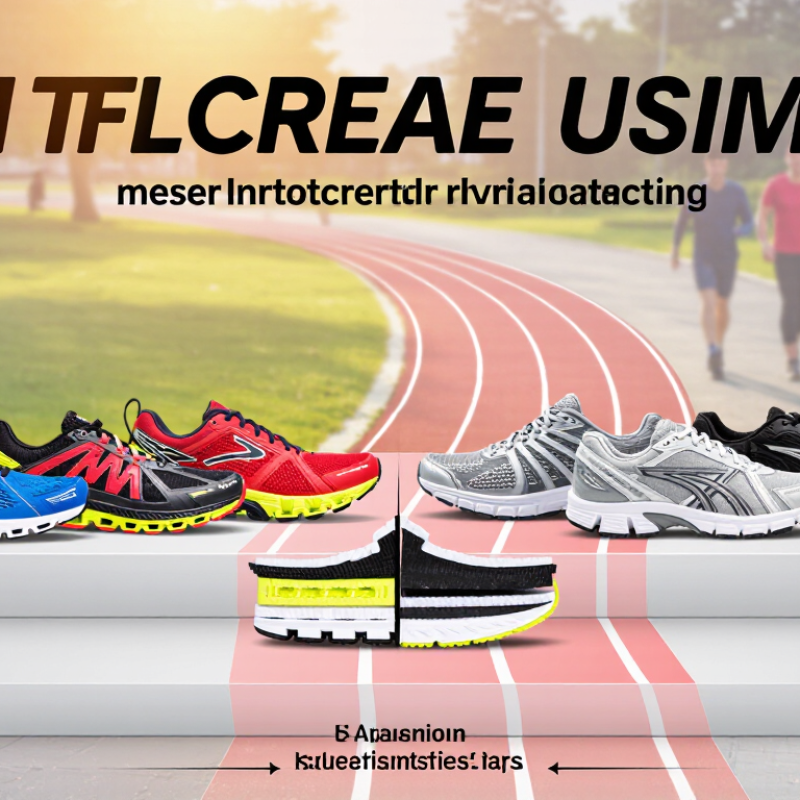
China Top 10 Running Shoe Suppliers Running vs Walking Shoes?

Understanding the Differences Between Running Shoes and Walking Shoes

Running and walking shoes serve different movement patterns, even when their shapes look similar. Running involves repeated impact, faster pace, and greater forward motion. Therefore, running shoes usually need responsive cushioning, stable heel support, and breathable mesh. Walking creates a smoother heel-to-toe transition. Walking shoes often feel firmer, more flexible, and less elevated at the heel.

In product evaluations, I check outsole grip, midsole compression, stitching, and fit consistency. A running shoe that feels soft in a showroom may become unstable after several kilometers. A walking shoe may feel comfortable at first, but its firm sole can tire someone with weak foot strength. This is where careful testing matters. I once judged comfort too quickly. That decision needed correction after longer use. Suppliers should provide material specifications, wear-test records, and size measurements before production approval. Factory samples can look excellent, yet small differences between batches still deserve attention.

Tips: Match the shoe to the main activity, not its appearance. Walkers should bend the forefoot gently and check heel security. Runners should test cushioning during actual movement, preferably on a familiar surface. Leave about one finger’s width beyond the longest toe. Socks matter too. Try both shoes in the afternoon, when feet may swell slightly. If pain continues, consult a qualified foot-care professional rather than relying only on online advice.

How to Evaluate China’s Top Running Shoe Suppliers

China’s Top Running Shoe Suppliers: Running vs Walking Shoes?

Evaluating China’s top running shoe suppliers requires more than comparing catalog photos. Running shoes need impact control, torsional stability, breathable uppers, and consistent cushioning. Walking shoes usually favor flexible comfort, lighter construction, and stable heel support. These differences affect tooling, foam density, and testing. The World Footwear Yearbook 2024 reports that Asia produced 87.4% of global footwear in 2023. China remained the largest production base, with 55.5% of global output. Scale matters. It does not prove technical capability.

Request factory evidence, not promises. Check production lines, material traceability, defect records, and mold ownership. Ask for reports covering outsole abrasion, flexing, bond strength, slip resistance, and cushioning recovery. ISO 20344 methods can support comparable checks. Review at least three sample rounds. Measure heel compression after repeated loading, not only when the shoes are new. For performance claims, use an independent laboratory. A supplier may pass one sample and still fail bulk consistency. That uncomfortable gap needs attention.

Tips: Compare identical specifications across suppliers. Record foam hardness, outsole rubber, stitch density, and sample weight. Visit during production when possible. Confirm lead times in writing. Use pilot orders before scaling. Do not automatically choose the lowest quote. It may exclude testing, packaging, or corrective work. Ask how rejected pairs are handled. A vague answer is useful information, too.

China’s Top 10 Running Shoe Suppliers by Product Strengths

China Top 10 Running Shoe Suppliers: Running vs Walking Shoes?

China’s top ten running shoe suppliers differ mainly by product strength, not factory size. Some focus on lightweight road-running shoes with responsive foam and breathable mesh. Others specialize in trail models with deeper lugs, stronger toe guards, and water-resistant uppers. Several suppliers support private-label projects, offering pattern development, material selection, and flexible trial orders. Walking-focused manufacturers usually prioritize soft cushioning, stable heel counters, and roomy toe boxes. Their shoes feel less aggressive than performance runners. From supplier visits and sample reviews, I have found that stitching quality often reveals more than catalog images. One weakness remains: some factories describe casual trainers as running shoes. Buyers must test them carefully.

Tips: Ask for outsole rubber data, foam density, sample weight, and wear-test results. Compare both left and right shoes. Small differences matter.

A practical shortlist should match the product goal. Choose performance specialists for speed sessions and long-distance models. Select comfort-oriented suppliers for daily walking, travel, and work shoes. Trail suppliers suit uneven paths, while large-volume producers may offer better pricing and stable delivery. However, lower cost can hide thinner insoles or weaker bonding. I may be overly cautious, but a ten-day wear test is safer than trusting a polished sample. Review factory experience, inspection procedures, material traceability, and communication speed before placing an order.

China Top 10 Running Shoe Suppliers Running vs Walking Shoes? - China’s Top 10 Running Shoe Suppliers by Product Strengths
Rank Anonymous Supplier Profile Primary Product Strength Running Shoe Capability Walking Shoe Capability Typical Construction Options Customization Scope Indicative MOQ Typical Development Lead Time Best-Fit Buyer Product Strength Score
1 Supplier Profile A
Performance-focused OEM/ODM manufacturer
Technical running footwear Road running Training Light racing
Engineered mesh uppers, responsive foam midsoles and stability-oriented geometry.
Suitable for lightweight urban walking models with breathable uppers and moderate cushioning. Engineered mesh, knitted upper, EVA or supercritical-style foam, rubber outsole. Last shape, upper pattern, outsole design, logo application, packaging and color development. 500–1,000 pairs per color or style 45–75 days after approved samples Sports labels, specialty retailers and private-label performance collections 9.4 / 10
2 Supplier Profile B
High-volume athletic footwear producer
Scalable athletic footwear production Strong capability for daily trainers, cushioned running shoes and entry-level performance models. Efficient development of casual walking, lifestyle and all-day comfort shoes. Mesh or synthetic leather, molded EVA, rubber patches and cupsole constructions. Full private-label development, material substitution, color matching and size-range planning. 1,000–3,000 pairs per style 50–80 days after confirmation Large-volume importers, distributors and multi-store retailers 9.1 / 10
3 Supplier Profile C
Comfort and lifestyle footwear specialist
Walking comfort and everyday wear Best suited to recreational running and low-to-moderate mileage rather than technical racing. Strong focus on soft underfoot feel, flexible forefoot construction and easy slip-on designs. Breathable textile, stretch knit, lightweight EVA, memory-foam sockliner and flexible rubber. Upper materials, footbed density, outsole flex pattern, trims and packaging. 300–800 pairs per style 35–60 days after approved sample Comfort footwear brands, lifestyle retailers and senior-oriented product lines 8.8 / 10
4 Supplier Profile D
Outdoor and trail footwear manufacturer
Trail running and outdoor grip Trail-oriented models featuring protective uppers, reinforced toe areas and higher-traction outsoles. Suitable for walking shoes designed for parks, travel, light hiking and uneven surfaces. Ripstop mesh, synthetic overlays, protective toe caps, EVA midsoles and lugged rubber outsoles. Outsole lug layout, waterproof treatments, protective components, colors and branding. 500–1,500 pairs per style 55–90 days after technical approval Outdoor retailers, hiking brands and travel footwear programs 8.7 / 10
5 Supplier Profile E
Flexible low-to-mid volume OEM supplier
Small-batch product testing Practical capability for entry-level road running shoes and basic training footwear. Flexible production of casual walking shoes, knit sneakers and lightweight comfort models. Textile mesh, synthetic overlays, EVA outsole units and basic rubber inserts. Colorways, logo placement, basic mold adjustments and private-label packaging. 200–500 pairs per style 35–65 days after sample approval Start-ups, online sellers and brands validating new footwear concepts 8.4 / 10
6 Supplier Profile F
Vulcanized and casual sneaker specialist
Casual walking and lifestyle sneakers More appropriate for casual jogging, gym use and general activewear than high-performance running. Strong in everyday canvas, textile and vulcanized footwear with simple comfort features. Canvas, cotton textile, synthetic leather, rubber foxing and vulcanized or cupsole construction. Fabric selection, printed panels, outsole color, labels, laces and packaging. 500–1,000 pairs per style 40–70 days after approved sample Fashion retailers, school-shoe programs and casual footwear brands 8.1 / 10
7 Supplier Profile G
Injection-molded comfort footwear producer
Lightweight molded comfort Suitable for basic running-inspired shoes and walking models emphasizing low weight. Strong for lightweight slip-ons, recovery shoes and flexible everyday walking footwear. Injected EVA, molded foam, mesh uppers, seamless components and flexible outsoles. Foam density, molded tooling, upper colors, footbed design and logo embossing. 800–2,000 pairs per style 45–75 days after mold confirmation Comfort brands, recovery footwear programs and travel product lines 8.0 / 10
8 Supplier Profile H
Leather and synthetic comfort footwear supplier
Structured walking footwear Limited technical running specialization; suitable for walking-oriented athletic hybrids. Strong in supportive uppers, structured heel counters and polished casual walking designs. Microfiber, synthetic leather, textile panels, EVA footbeds and rubber or PU outsoles. Upper material, lining, footbed, stitching details, hardware and color selection. 300–800 pairs per style 45–75 days after sample approval Uniform suppliers, comfort brands and mature-age consumer footwear 7.8 / 10
9 Supplier Profile I
Fashion-sports footwear developer
Trend-led athleisure footwear Suitable for lifestyle running silhouettes and light fitness use with emphasis on appearance. Strong in fashion-led walking sneakers, platform soles and seasonal color development. Knitted textile, mesh, synthetic leather, EVA platform soles and rubber traction pods. Silhouette, color palette, decorative components, printed graphics and retail packaging. 500–1,500 pairs per style 40–70 days after design confirmation Fashion brands, department stores and social-commerce footwear sellers 7.6 / 10
10 Supplier Profile J
Value-oriented basic footwear manufacturer
Cost-efficient basic models Best for entry-level running-inspired shoes and simple training footwear. Reliable for economical walking shoes with standard cushioning and durable basic outsoles. Standard mesh, synthetic textile, EVA midsole, rubber or TPR outsole. Color changes, logo printing, standard molds, labels and carton configuration. 1,000–3,000 pairs per style 35–60 days after approved sample Value retailers, promotional programs and price-sensitive markets 7.3 / 10
Evaluation dimensions include product specialization, construction capability, customization flexibility, minimum order quantity and development speed. MOQ and lead-time figures are indicative manufacturing ranges and should be confirmed with each supplier during quotation and sampling.

Comparing Supplier Materials, Manufacturing, and Customization Options

China Top 10 Running Shoe Suppliers: Running vs Walking Shoes

When evaluating China’s top ten running shoe suppliers, buyers should separate running performance from walking comfort. Running shoes need responsive cushioning, stable heel support, and breathable uppers. Walking shoes usually favor flexible soles and softer, simpler construction. Engineered mesh can reduce heat during long runs. Knitted fabric may improve comfort, but it can stretch too quickly. EVA foam feels light and springy. Rubber should cover high-wear areas, especially the heel and forefoot. Fit matters more than appearance.

Manufacturing capability affects consistency. A reliable supplier should explain its shoe last, molding process, stitching methods, and quality checks. Ask for samples made with production materials, not showroom substitutes. Check bonding around the toe, heel counter strength, and outsole alignment. Factories may use compression molding for midsoles and rubber pressing for outsoles. Request wear testing on wet and dry surfaces. Results can vary between batches. That detail deserves attention.

Customization can include colors, logo placement, mesh density, outsole patterns, insoles, labels, and packaging. Provide a clear technical sheet with measurements and material requirements. Confirm minimum order quantities, sample fees, revision limits, and production timelines in writing. A supplier may offer hundreds of color options but limited foam choices. That is not always a problem. Ask for material samples and physical size sets before approval. I have found that small fit changes often require another sample, which adds time but prevents larger production mistakes.

Choosing the Right Chinese Supplier for Running or Walking Shoes

Choosing the right Chinese supplier depends on the shoe’s intended movement, not only its appearance. Running shoes need responsive cushioning, stable heel counters, breathable mesh, and durable rubber in high-impact zones. Walking shoes usually require flexible forefoot areas, moderate cushioning, and comfortable support for long, steady use. A supplier experienced in casual footwear may not understand running biomechanics. That difference matters.

Ask each supplier for material specifications, sample timelines, minimum order quantities, and quality-control procedures. Request outsole abrasion data and inspect stitching around the toe box. Test samples on a treadmill, pavement, and smooth indoor floors. Check whether the heel slips after thirty minutes. It is a small detail, but users notice it quickly. I once underestimated size grading, and the larger samples felt noticeably tighter across the instep. That mistake required another sample round. Supplier communication also deserves attention. Clear replies, realistic lead times, and documented inspections are stronger signs than polished factory photos.

Tips: Compare at least three suppliers with the same technical brief. Send a clear size chart and target price range. Ask who controls production quality. Confirm whether the factory performs flex, bonding, and colorfastness tests. For running models, examine impact protection and heel stability. For walking models, focus on flexibility and all-day comfort. Keep written records of every approved change. Small undocumented changes can alter the final fit. Supplier selection is rarely perfect; careful testing simply makes the risks easier to see.

FAQS

How do running shoes differ from walking shoes?

Running shoes need impact control, torsional stability, and reliable cushioning. Walking shoes usually offer softer flexibility and stable heel support. Fit still matters most.

What factory evidence should buyers request?

Request production samples, material records, defect logs, and mold ownership details. Ask for abrasion, flexing, bonding, slip, and cushioning reports. Promises are not enough.

How can buyers test cushioning quality?

Measure heel compression after repeated loading. New shoes can look perfect. Compare at least three sample rounds before approval.

Which materials are important in running shoes?

Breathable mesh can reduce heat during long runs. EVA foam feels light and springy. Rubber should protect the heel and forefoot. Knitted fabric may stretch too quickly.

What manufacturing details should buyers inspect?

Check the shoe last, molding process, stitching, bonding, and outsole alignment. Compare left and right shoes carefully. Small differences matter.

How should buyers evaluate customization options?

Confirm colors, labels, insoles, outsole patterns, packaging, and logo placement. Ask for material samples and physical size sets. More color choices do not mean better foam choices.

Should buyers choose the lowest quotation?

Not automatically. A low quote may exclude testing, packaging, or corrective work. Compare identical specifications across suppliers. The cheapest option can become expensive later.

Why are pilot orders and wear tests useful?

Pilot orders reveal bulk consistency before larger production. Test shoes for about ten days on suitable surfaces. I may be overly cautious, but polished samples can mislead.

Conclusion

This guide explains what is the difference between running and walking shoes, focusing on how cushioning, support, flexibility, weight, and heel-to-toe design affect comfort and performance. Running shoes are generally built to absorb greater impact and support repeated forward motion, while walking shoes often prioritize stable footing, controlled flexibility, and everyday comfort. Understanding these differences helps buyers select products that match their intended use, target market, and customer expectations.

It also presents a practical framework for evaluating China’s top running shoe suppliers without relying only on price. The comparison considers product strengths, material quality, manufacturing capabilities, quality control, customization options, minimum order quantities, communication, and delivery reliability. By reviewing how suppliers handle running and walking shoe requirements, buyers can identify suitable partners for private-label, wholesale, or customized projects. The final selection should balance performance, design flexibility, production consistency, and long-term cooperation potential.

Liam

Liam

Liam is a dedicated marketing professional with a profound expertise in the industry, where he excels at highlighting the unique advantages of our core products. With a keen understanding of market trends and consumer needs, Liam frequently updates our company’s professional blog, providing......