7 Best Ways to Stretch Tight Shoes for Wider Feet

Time:2026-10-21 Author:Ethan
0%

Tight shoes can turn an ordinary walk into a painful negotiation. Pressure gathers around the toes, the sides of the feet, and sometimes the heel. Red marks may appear before discomfort becomes obvious. Learning how to stretch tight shoes for wider feet can improve comfort, but it requires patience and realistic expectations.

Podiatrist Dr. Hillary Brenner offers a useful reminder: “Shoes should fit your feet, not force your feet to fit the shoes.” That principle guides this practical introduction. The seven methods ahead include wearing thick socks, using adjustable shoe stretchers, applying gentle warmth, and visiting a professional cobbler. Each method has limits. Leather may respond gradually, while synthetic materials can resist stretching or deform.

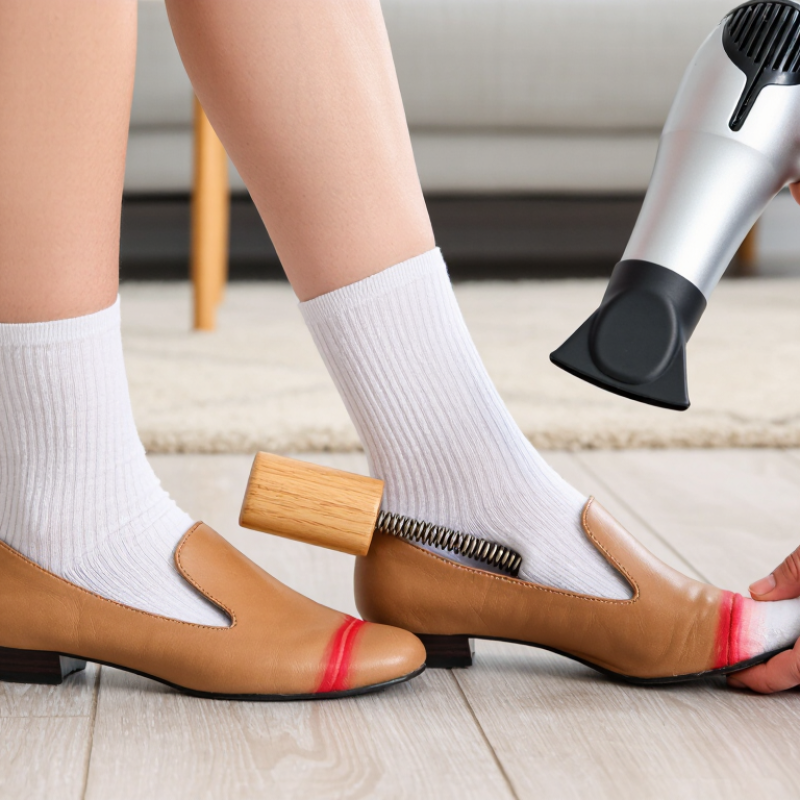
Small changes matter. Wear the shoes indoors for ten minutes, then inspect the pressure points. A wooden stretcher can widen the toe box overnight. A warm hair dryer may soften leather, but excessive heat can dry it, warp adhesives, or damage delicate finishes. Never continue through numbness, sharp pain, or tingling.

Experience also teaches a less convenient truth: some shoes are simply too narrow. Stretching cannot always correct poor design, inadequate length, or severe foot problems. I have found that slow adjustments feel safer than dramatic ones, although even careful attempts can disappoint. When discomfort continues, a podiatrist or qualified shoe professional can assess the fit. Comfortable shoes should support natural movement, not demand endurance.
7 Best Ways to Stretch Tight Shoes for Wider Feet

Assess the Shoe Fit and Choose a Safe Stretching Method

A tight shoe needs assessment before stretching. Put it on with the socks you normally wear. Check where pressure occurs. Your toes should move without touching the front. The widest part of your foot should rest over the shoe’s widest section. Walk indoors for ten minutes. Red marks, numbness, or sharp pain signal a poor fit, not a simple width problem. Measure both feet late in the day, when swelling is more likely.

Choose a method that matches the shoe material and pressure point. A wooden shoe stretcher can widen leather gradually. Turn it only a small amount, then leave it overnight. For one tight spot, use a stretcher with a pressure plug. A qualified shoe repair professional can adjust delicate materials more safely. Fabric and synthetic uppers may resist stretching or develop wrinkles. Heat can soften some materials, but excessive heat may weaken glue or distort the shape. I once stretched a pair too quickly; the crease looked permanent.

Test the fit after each adjustment. Wear the shoes indoors for short periods. Stop if discomfort increases. Never stretch a shoe that is too short, badly shaped, or causing persistent pain. Thick socks may help briefly, but they can increase pressure around the toes. A useful check is simple: your heel stays secure, your toes remain relaxed, and the upper does not dig into your foot. Sometimes replacing the shoes is the safer choice.

Use Gentle Heat to Loosen Tight Shoe Materials

Tight shoes can create pressure across the toes, especially when feet are naturally wider. A 2018 systematic review in the Journal of Foot and Ankle Research found that 63–72% of people wore incorrectly fitted footwear. That matters. Repeated pressure may contribute to blisters, rubbing, and forefoot discomfort.

Gentle heat can loosen some shoe materials without forcing them. Put on thick socks, then wear the shoes indoors. Use a hair dryer on low heat, holding it about 15 centimetres away. Warm one tight area for 20–30 seconds while flexing your toes. Walk slowly until the material cools. Repeat carefully. Heat is not magic. Excessive warmth can weaken adhesives, dry leather, or distort synthetic uppers. I would test a hidden area first, because material labels do not always predict real behavior.

Tips: Warm the widest section, not the entire shoe. Stop if the shoe feels hot or smells unusual. Stretch gradually over several sessions. A professional shoe fitter or podiatrist can check width, toe-box space, and pressure points. Do not rely on pain as proof of progress. Pain often signals a poor fit, not successful stretching. If your toes touch the front, or your little toe folds inward, stretching may not solve the problem. A wider size or different shape could be safer.

7 Best Ways to Stretch Tight Shoes for Wider Feet

These practical starting ranges compare the typical treatment time for common shoe-stretching methods. Use gentle heat for about 2–3 minutes at a time, keep the dryer moving, and test the material frequently to reduce the risk of damage. Results vary by shoe construction, material, and the amount of extra room needed.

Apply a Shoe Stretcher for Controlled Width Expansion

A shoe stretcher offers controlled width expansion without forcing the shoe by hand. It works especially well for tight leather shoes and structured footwear. Choose a model with adjustable width plugs, then remove the insole if it blocks the fit. Insert the stretcher gently until it touches both sides. Do not force the handle. Turn it slowly, usually one-quarter rotation at a time, and check the material after each adjustment. Small changes matter. Leave the stretcher inside for six to eight hours, preferably overnight. Try the shoes with the socks you normally wear.

Leather often responds gradually to steady pressure. Synthetic materials may stretch less, and excessive force can leave permanent creases. A light leather conditioner may improve flexibility, but test it on a hidden area first. Avoid strong heat, which can weaken adhesives or distort the shape. Measure the shoe width before and after stretching. Your feet should feel supported, not squeezed or unstable.

I once over-tightened a stretcher and created a visible ridge near the toe. The mistake was avoidable. Patience matters more than maximum expansion. Stop when you feel pressure relief, not when the shoe becomes loose. A stretcher cannot correct every fit problem. If the toe box is too short, widening will not solve it. Persistent pain deserves professional fitting advice.

Wear Thick Socks to Gradually Shape the Interior

Thick socks can gradually shape tight shoes, especially when the pressure is mild and the material has some flexibility. Choose cushioned socks that feel snug, but never painfully tight. Put them on before the shoes. Your feet should not feel numb or trapped.

Wear the shoes indoors for 15 to 20 minutes. Walk slowly across a carpeted floor. Bend your toes and notice where the shoe presses. Warmth from your feet may soften certain materials slightly. However, heat alone will not solve severe tightness. A shoe stretcher may work better for stubborn areas.

Repeat the process once daily for several days. Check your skin after each session. Red marks that disappear quickly are usually less concerning than blisters, burning, or lasting soreness. Stop if your toes turn pale or lose feeling. Comfort matters more than forcing extra width.

The result may be uneven. Thick socks widen the interior gradually, but they cannot change every shoe shape. Shoes with stiff panels may resist stretching. I have found that patience works better than one long, painful attempt. Still, this method deserves honest limits. If the shoe remains tight around the toes, a professional shoe repair specialist can assess its construction and stretch it more precisely.

Protect the Shoes and Check the Fit After Each Attempt

Tight shoes can often gain a little width, but patience protects both your feet and the material. Wear thick socks and walk indoors for ten-minute sessions. Add gentle warmth from a hair dryer, keeping it moving and several inches away. Heat softens some leather, but it can damage glue, finishes, and synthetic uppers. Check the fit immediately. Your toes should lie flat, and pressure should not cause numbness.

A two-way shoe stretcher offers more controlled expansion. Turn it slowly, wait overnight, then remove it before testing the shoe. Stretching spray may help leather, but test one hidden area first. A damp, thick sock can provide mild pressure, although excess moisture may stain or weaken the lining. I once pushed a stretcher too far and left a visible crease. That mistake was avoidable. Smaller adjustments work better.

Try the shoes indoors on a clean carpet after every attempt. Check the widest part of your foot, the toe box, and the heel grip. Walk, bend your knees, and notice rubbing after several minutes. Stop if sharp pain, tingling, or permanent marks appear. Some materials barely stretch. A skilled shoe repair professional can assess them without guessing. Do not force a tight pair overnight. Check again.

7 Best Ways to Stretch Tight Shoes for Wider Feet - Protect the Shoes and Check the Fit After Each Attempt

Approximate results vary by shoe material, construction, and the amount of room needed. Increase stretching gradually and stop if the material shows stress.

# Stretching Method Best-Suited Materials Typical Width Improvement How to Use It Protection and Fit Check Risk Level
1 Adjustable Shoe Stretcher Leather, suede, canvas, and some flexible textiles Usually about 3–6 mm of additional width when used gradually Insert the stretcher, turn the handle slowly until mild resistance is felt, and leave it in place for 8–24 hours. Repeat if necessary. Use light pressure first. Check seams, glue lines, and the toe shape after each cycle. Try the shoes with the usual socks before increasing tension. Low to medium
2 Thick Socks and Short Indoor Walks Soft leather, canvas, knit, and other flexible uppers Small, gradual improvement; commonly around 1–3 mm Wear one pair of thick socks, walk indoors for 10–20 minutes, remove the shoes, and allow your feet and the shoes to rest. Repeat over several sessions. Do not continue through numbness, sharp pain, or blistering. Inspect the upper and confirm that your toes can move comfortably after every session. Low
3 Low-Heat Hair Dryer with Socks Finished leather and sturdy fabric; use extra caution with suede Generally a minor increase of about 1–3 mm Put on thick socks and the shoes. Apply low, moving heat to tight areas for 15–20 seconds at a time while flexing your feet. Keep the dryer at least 15 cm away. Never use high heat or hold the dryer in one place. Let the shoes cool while worn, then check for drying, discoloration, warped panels, or loose adhesive. Medium
4 Slightly Damp Socks Unfinished or finished leather and some canvas shoes Usually a modest improvement of about 1–3 mm Dampen socks lightly rather than soaking them. Wear the shoes for 10–15 minutes, then remove them and dry naturally at room temperature. Avoid excess water, direct sunlight, radiators, and forced heat. Do not use this method on materials that can water-stain or lose their finish. Condition suitable leather after drying. Medium
5 Material-Compatible Stretching Solution Leather and some textiles, only when the product instructions allow it Often about 2–4 mm when combined with a stretcher Test a small hidden area first. Apply a light, even amount to the inside or outside as directed, insert a stretcher, and leave it for the stated time. Check for darkening, dye transfer, stiffness, or surface changes before treating the full shoe. Use only a small amount and reassess the fit after drying. Medium
6 Targeted Stretching Plugs Leather or other flexible uppers with pressure points near the bunion or little-toe area Localized relief of roughly 2–5 mm at the selected area Place the plug on the stretcher at the painful point. Increase pressure in small increments and leave it in place for 8–24 hours. Use targeted pressure rather than widening the entire shoe. Check stitching, overlays, and the shape of the upper after each adjustment. Medium
7 Professional Shoe Repair Stretching Leather, suede, fabric, and structured shoes that need controlled adjustment Often up to about 3–6 mm, depending on construction and material Have a specialist assess the shoe, identify pressure points, and use professional equipment for a controlled stretch. This is the safest option for expensive, delicate, highly structured, or difficult-to-replace shoes. Try both shoes afterward with your normal socks and insoles. Low to medium
Fit standard: Your toes should lie flat and move freely, the widest part of your foot should align with the widest part of the shoe, and there should be no persistent pressure, numbness, or sharp pain. Stretching can improve width, but it cannot reliably correct shoes that are too short or fundamentally the wrong shape.

FAQS

How can a shoe stretcher widen tight shoes safely?

Choose adjustable width plugs. Insert it gently until both sides touch. Turn the handle one-quarter rotation at a time. Never force it.

How long should a shoe stretcher remain inside?

Leave it inside for six to eight hours, preferably overnight. Remove it before testing the fit. Small adjustments work better.

Can thick socks stretch tight shoes?

Yes, when pressure is mild and the material has flexibility. Wear cushioned socks and walk indoors for 15 to 20 minutes. Stop before pain begins.

What signs mean I should stop stretching?

Stop if you feel sharp pain, tingling, numbness, burning, or lasting soreness. Pale toes are a warning. Comfort matters more.

Can heat help widen shoes?

Gentle warmth may soften some leather slightly. Keep a hair dryer moving several inches away. Strong heat can damage glue, finishes, or synthetic materials.

Should I use conditioner or stretching spray?

A light conditioner may improve leather flexibility. Test it on a hidden area first. Moisture and products can stain linings or weaken materials.

Can widening fix every tight-shoe problem?

No. Widening cannot correct a toe box that is too short. Stiff panels may barely change. The result can be uneven.

How should I check the fit after each attempt?

Test the shoes indoors on a clean carpet. Wear your normal socks and walk for several minutes. Check the toe box, widest foot area, and heel grip.

What mistake should I avoid when using a stretcher?

Do not chase maximum expansion. I once overtightened one and created a visible ridge near the toe. Patience would have prevented it.

When should I seek professional fitting advice?

Seek help when tightness persists or the shoe’s construction seems resistant. A repair specialist can assess the material and stretch it more precisely.

Conclusion

Learning how to stretch tight shoes for wider feet starts with checking where the pressure occurs and identifying the shoe’s material. Choose a gentle method that suits the construction, since different materials respond differently to moisture, warmth, and pressure. Mild heat can help soften certain materials, but it should be applied carefully and briefly to avoid warping, discoloration, or damage. A shoe stretcher offers more controlled width expansion, allowing you to target specific areas and adjust the pressure gradually.

Another practical approach is wearing thick socks while walking indoors for short periods, helping the interior slowly adapt to a wider foot shape. Use patience rather than excessive force, and protect the shoes with suitable coverings when applying heat or pressure. After every attempt, let the shoes cool or rest before trying them on again. Check for improved comfort, balanced support, and any signs of stretching damage, repeating the process only as needed.

Ethan

Ethan

Ethan is a seasoned marketing professional with a deep expertise in our company's innovative product line. With a passion for sharing knowledge and insights, he takes the lead in regularly updating our corporate blog, where he explores industry trends, product features, and effective marketing......