What Is the Best Type of Running Shoe for Flat Feet?

Time:2026-11-12 Author:Aria
0%

Flat feet do not automatically call for rigid, heavily supportive running shoes. The best choice depends on comfort, fit, running habits, and how your feet respond over distance. A shoe can feel secure in a shop yet press against the inner arch after a few miles. Small details matter.

Biomechanics researcher Benno Nigg is often associated with a useful rule: “The best shoe is the one that feels best.” It is a helpful starting point, not a complete prescription. Learning how to choose running shoes for flat feet means comparing support without assuming every flat-footed runner needs the same level of stability. Check whether the heel feels held, the base feels steady, and the arch area stays comfortable. Try both shoes with your usual running socks. Walk, jog, and notice any rubbing or pressure.

Labels can mislead. “Stability” and “motion control” describe broad design categories, not guaranteed solutions for an individual runner. A wider base or firmer midsole may feel reassuring to one person and awkward to another. Fit matters. If possible, test shoes late in the day, when feet may be slightly larger, and leave room for natural toe movement. One short try-on cannot predict every long run; that is an imperfect test, and worth remembering. Persistent pain deserves attention from a qualified health professional, rather than a shoe label alone.
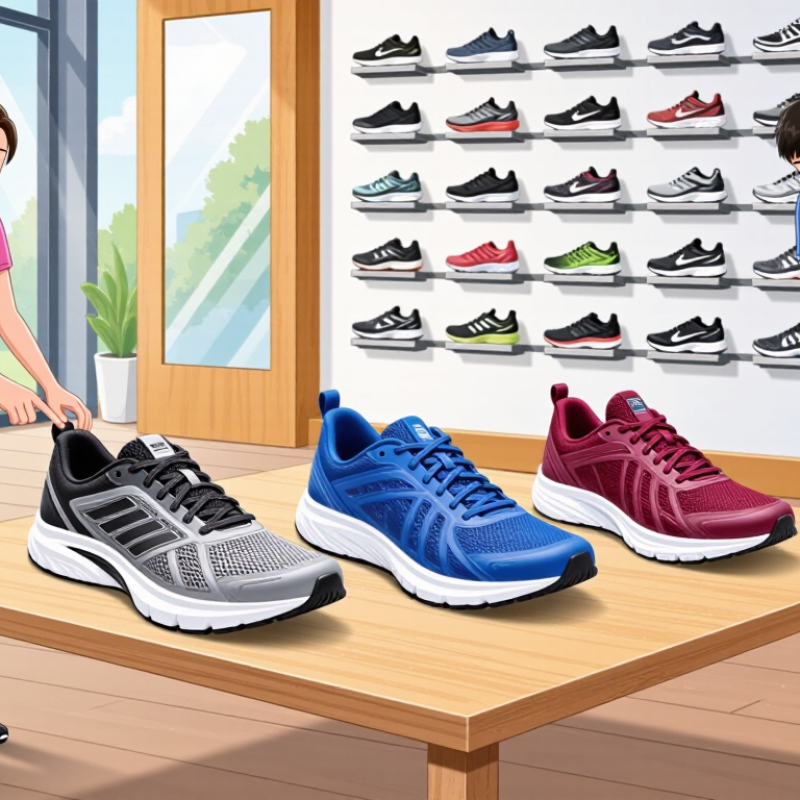
What Is the Best Type of Running Shoe for Flat Feet?

How Flat Feet Can Affect Running Mechanics

Flat feet describe a low arch, not a fixed running problem. As the foot accepts weight, its arch may lower and the foot may roll inward. This motion helps the body adapt to the ground. The key details are how far and how quickly the foot moves, and whether the runner feels pain. A shoe cannot change bone structure.

In some runners, greater inward motion may accompany extra rotation of the shin. That can change how forces travel toward the knee, but it does not prove that flat feet cause injury.

Neal and colleagues’ 2014 systematic review in the Journal of Foot and Ankle Research examined 21 prospective studies. It found an association between pronated foot posture and medial tibial stress syndrome, while evidence across injuries varied. That distinction matters.

A flat-looking foot alone is a poor way to predict a runner’s mechanics. Watch the runner instead: note whether the arch drops sharply, the knee moves inward, or discomfort appears after several laps. These clues are useful, not a diagnosis.

Research findings also differ between people and running conditions, so even a careful shoe choice may not solve every problem. My own first impression of a low arch can be misleading. Pain, training load, and movement over time deserve more attention.

How to Identify Your Support and Stability Needs

Flat feet do not automatically mean you need a motion-control shoe. The right level of support depends on how your feet move, how a shoe feels, and whether you have pain. Arch height alone cannot tell the whole story. A wet footprint may show contact with the ground, but it cannot diagnose your running mechanics.

Check the soles of your current shoes for uneven wear, especially along the inner edge. Notice whether your ankles roll inward while walking or running, and whether that movement comes with discomfort. That matters. A stability shoe may feel supportive if your foot rolls inward and you want more guidance. A neutral shoe may work well if it feels comfortable and your stride remains controlled. More support is not always better.

Try shoes later in the day, when feet may be slightly swollen, and wear your usual running socks. Walk, jog briefly, and check for pressure across the arch or toes. The heel should feel secure without rubbing. Not always easy. Fit tests are imperfect, and comfort during a short try-on may not predict a long run. Increase distance gradually, and note any recurring pain. Persistent discomfort or uncertainty about your gait is a good reason to consult a podiatrist or physical therapist.

Which Running Shoe Features Matter for Flat Feet

A flat foot does not automatically need a rigid corrective shoe. StatPearls’ clinical review estimates that flexible flat feet affect roughly 20–30% of people. Foot shape alone, however, cannot tell you which shoe will feel right. Look for a broad, steady base, a secure heel counter, and enough midsole support to keep your foot comfortable on longer runs. The shoe should bend where your toes bend, not fold easily through the middle. Fit matters. Your heel should stay put, while your toes can spread without pressing against the upper.

A 2015 review in the British Journal of Sports Medicine proposed comfort as a useful shoe-selection filter. That is practical, but not a guarantee against pain or injury. A firm shoe may feel reassuring at first; it may also feel tiring after several miles. I would not treat arch height as a diagnosis or assume more support is always better. Persistent pain, swelling, or a sudden change in foot shape deserves assessment by a qualified clinician.

Tips: Try shoes late in the day, when feet may be slightly larger. Walk, jog, and notice pressure under the arch and along the little toe. Leave about a thumb’s width at the front. If discomfort keeps returning, reassess the fit and seek professional advice.

How to Choose Between Stability and Neutral Shoes

Flat feet do not automatically require stability shoes. The right choice depends on comfort, fit, and how your feet move while running. Stability shoes add guidance, often through firmer material along the inner midsole. Neutral shoes usually provide cushioning without that added structure. A low arch alone cannot tell you which will feel better.

Evidence is mixed. A 2022 Cochrane review assessed 12 trials involving 11,240 participants and found no clear basis for choosing shoes by foot posture to prevent injuries. An Army recruit study likewise found that matching shoes to arch shape did not reduce injury rates. These findings do not prove that shoe types feel identical; they show that arch shape is a poor shortcut. The evidence is not tidy.

Try both types on a short, easy run, ideally late in the day when feet may be slightly swollen. Notice whether the heel slips, toes feel squeezed, or the inner edge presses uncomfortably. Stability shoes may feel supportive to some runners, but restrictive to others. Neutral shoes may feel freer, but not necessarily better. Compare fit and comfort, not labels. Not a diagnosis. If pain persists, worsens, or changes your stride, consult a qualified clinician; shoe choice alone may not address the cause.

What Is the Best Type of Running Shoe for Flat Feet? — How to Choose Between Stability and Neutral Shoes

What to Compare Stability Running Shoe Neutral Running Shoe
How it is designed May use a wider platform, firmer sections, or other design features intended to guide or steady the foot. The exact approach varies by shoe. Generally has fewer features intended to guide foot motion and allows the foot to move more freely through the stride.
Who may prefer it Runners who find that a more guided, supportive feel is comfortable, or who have previously run well in stability shoes. Runners who find a less guided feel comfortable, including some runners with flat feet.
What flat feet mean A low or flat arch alone does not establish that a stability shoe is needed. Consider how the shoe feels and whether it suits your running. Flat feet do not automatically rule out a neutral shoe. Many people with flat feet run comfortably in neutral shoes.
Underfoot feel May feel more structured or guided, though the sensation differs among models. May feel more flexible or less corrective, though cushioning and flexibility vary by model.
Fit checks Look for a secure heel, comfortable midfoot, and enough room to wiggle your toes. It should not press uncomfortably on the arch. Use the same fit checks: secure heel, comfortable midfoot, and enough toe room. It should feel stable and comfortable while running.
Practical try-on test Try it on both feet and jog briefly if possible. Choose it only if the added guidance feels comfortable rather than forced. Try it on both feet and jog briefly if possible. Choose it if the ride feels comfortable and secure without extra guidance.
Best starting point Consider it if you prefer its guided feel or have found it comfortable in the past; reassess if it causes pressure or discomfort. Consider it if you prefer a less guided ride and it feels comfortable; a flat arch alone is not a reason to avoid it.
When to seek advice Persistent or worsening foot pain, swelling, numbness, or pain that changes your stride warrants advice from a qualified healthcare professional.

Bottom line: There is no single best shoe type for everyone with flat feet. Comfort, fit, and how the shoe feels while running are more useful starting points than arch shape alone.

How to Check Fit and Comfort Before Running

What Is the Best Type of Running Shoe for Flat Feet?
How to Check Fit and Comfort Before Running

A supportive shoe should feel secure, not restrictive. Try it on later in the day, when feet may be slightly fuller, and wear the socks you plan to run in. Check both feet; one may be longer or wider. Leave about a thumb’s width between your longest toe and the shoe’s front. Wiggle your toes. They should not press against the sides. The heel should stay put as you walk, without rubbing or slipping.

Tips: Walk for several minutes, then jog lightly if the store allows it. Notice pressure under the arch, pinching across the midfoot, or hot spots near the heel. Comfort matters. A high arch support is not automatically better for flat feet; the shoe should feel natural rather than force your foot into a new position.

Before buying, compare a few pairs and check whether cushioning and stability feel comfortable through ordinary steps. A shoe can seem fine while standing, then rub after a short jog, so don’t rely on a quick try-on. I’d also be cautious about assuming that flat feet alone explain pain. If discomfort keeps returning, ask a qualified health professional for advice.

FAQS

Do flat feet automatically cause running problems?

No. A low arch is not a fixed running problem. The foot may roll inward as it accepts weight. That movement can help it adapt.

Can flat feet predict an injury?

Not by themselves. Research found an association between pronated foot posture and medial tibial stress syndrome, but injury evidence varied. An arch alone is a poor predictor.

What movement clues should runners watch?

Notice a sharply dropping arch, a knee moving inward, or discomfort after several laps. These are clues, not a diagnosis.

What shoe features may feel supportive?

Try a broad, steady base, a secure heel counter, and comfortable midsole support. The shoe should bend at the toes, not fold through the middle. Fit matters.

Should every runner with flat feet choose a rigid shoe?

No. Foot shape alone cannot identify the right shoe. A firm shoe may feel reassuring, then tiring after several miles. I may overvalue support at first.

How should a running shoe fit?

Keep the heel secure and leave about a thumb’s width at the toe. Toes should spread without pressing against the upper. No pinching.

When is a good time to try on running shoes?

Try them late in the day, when feet may be slightly larger. Walk and jog, then notice pressure under the arch and near the little toe.

When should persistent foot symptoms be assessed?

Seek a qualified clinician for recurring pain, swelling, or a sudden change in foot shape. Recheck fit too. It may not be the shoe alone.

Conclusion

Flat feet can change how your foot moves and absorbs impact while running, but they do not automatically mean you need a particular shoe. Start by noticing your comfort, running habits, and any recurring discomfort. Understanding your support and stability needs can help you decide whether a stability shoe, which may offer guidance, or a neutral shoe, which provides a less structured feel, is a better fit.

When considering how to choose running shoes for flat feet, look for a comfortable, secure fit, suitable cushioning, and support that feels natural rather than restrictive. Try shoes on with your usual running socks, check that your toes have enough room, and make sure your heel feels held in place. Walk or jog briefly in each pair before making a choice. The best option is the one that feels comfortable and supportive for your feet and running style.

Aria

Aria

Aria is a dedicated marketing professional with a deep passion for innovative strategies and a keen understanding of our company's product offerings. With a wealth of experience in the industry, Aria excels at crafting engaging content that highlights the unique features and benefits of our......